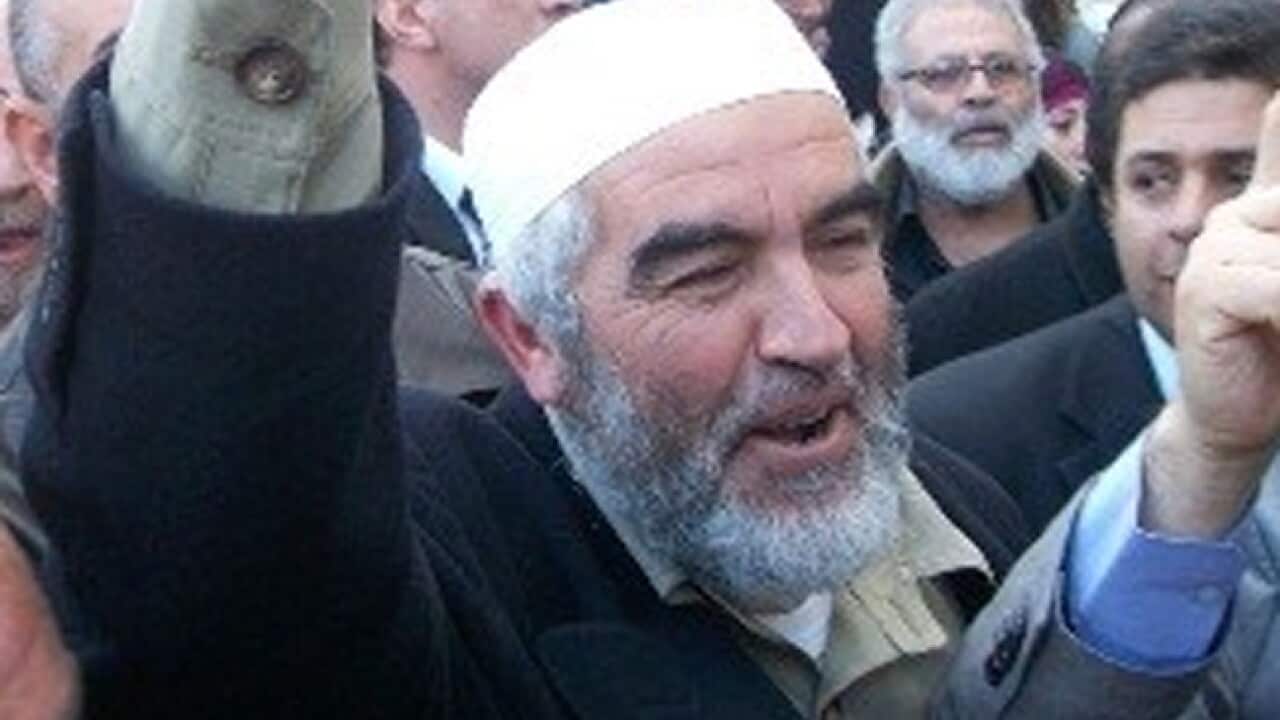
An immigration tribunal ruled in October that pro-Palestinian activist Sheikh Raed Saleh, arrested after managing to enter Britain despite a ban, should be deported.
But a higher tribunal has now granted his appeal, said a spokesman for the Home Office, as the interior ministry is known in Britain.
News that makes sense
Your trusted source for staying up-to-date with the world around you. Get free daily news updates and analysis, straight to your inbox.
"We are very disappointed the Upper Tier Tribunal has reversed the decision of the First Tier and allowed Saleh's appeal," the spokesman said.
"We are considering the detailed judgement and, if we can appeal, we will."
Interior Minister Theresa May had argued the presence of Saleh, the head of the northern wing of Israel's Islamic Movement, was not conducive to the public good.
Immigration judge Mark Ockelton ruled that May had been "misled" and that there was "no evidence that the danger perceived by the Secretary of State is perceived by any of the other countries where the appellant has been".
Sarah Colborne, director of the Palestine Solidarity Campaign, said the ruling marked a "very important day for British justice".
"By arresting, imprisoning and attempting to deport Sheikh Raed Saleh on what the judge has determined as a 'misapprehension of the facts,' the British Government have acted in a shameful way," she said.
"I trust that there will be a serious attempt by the British Government to rely in the future on accurate evidence rather than inaccurate anti-Palestinian propaganda against someone who has a history of opposing Israel's crimes and violations of international law."
Critics of Saleh, who has had repeated run-ins with the law in Israel and has spent time in prison, claim he is anti-Semitic -- an allegation he denies.
The father-of-eight was arrested in London in June, several days after arriving for a 10-day trip during which he was due to address several meetings including one in parliament organised by the Palestinian Solidarity Campaign.
He was later freed on bail.
In September, a judge at the High Court in London ruled that he was entitled to damages from the government as he was not informed why he was being held until two days after his arrest.
But the court rejected the claim that his detention as a whole was unlawful.







