In brief
- Australia's population is projected to reach 39.3 million by 2065-66, despite deaths overtaking births.
- Economic growth is forecast to slow, while AI and the energy transition reshape the economy.
Australia is on track to record more deaths than births by the 2060s as the nation's fertility rate falls to a new low, the latest Intergenerational Report (IGR) has forecast.
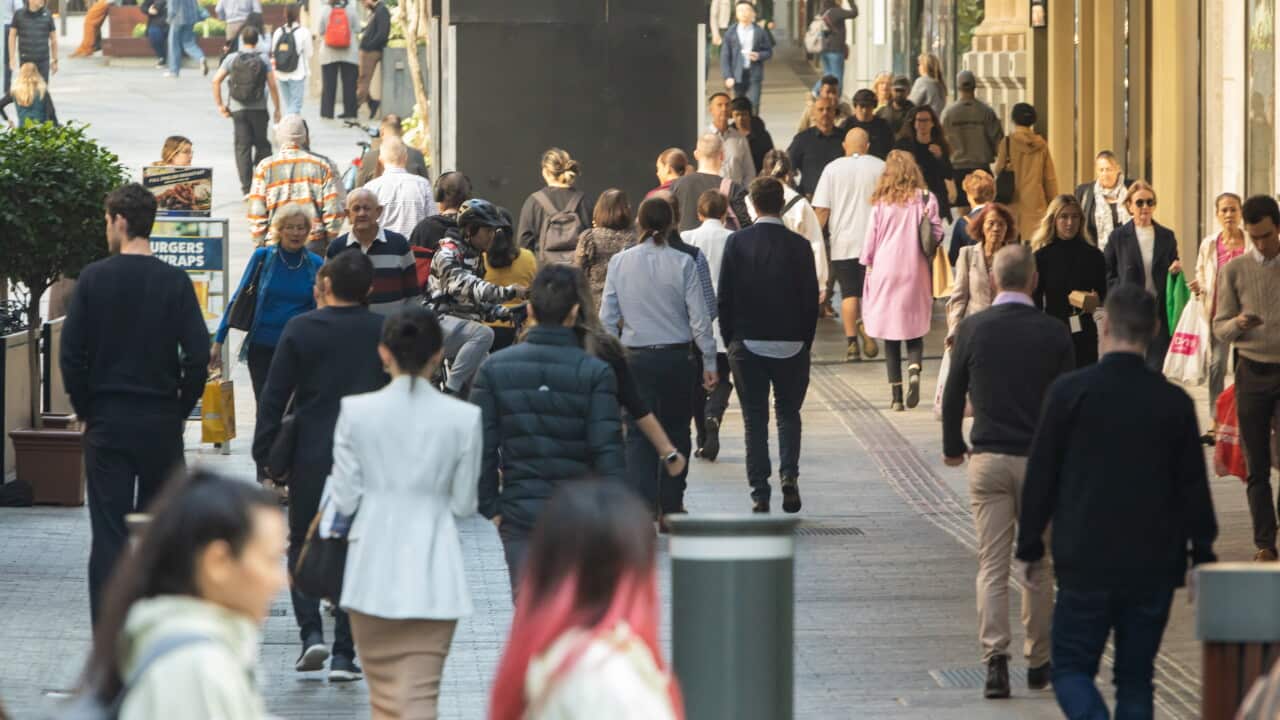
However, Australia's population is still projected to grow to 39.3 million by 2065-66, driven by net overseas migration (NOM), giving the country what the report describes as greater "demographic resilience" than nations such as Germany, Italy and South Korea, where deaths already outnumber births.
Other forecasts include Australia's economy growing by an annual average of 2 per cent over the next 40 years, per capita income being 55 per cent higher, and life expectancy reaching 89.5 years for women and 86.1 years for men by 2065-66.
Published by the federal government every three years since 2002, the IGR outlines Australia's economic and budgetary outlook over the next 40 years.
The forecasts in the reports are predictions, some of which have fallen far off the mark, such as the first report projecting that Australia's population would reach 25 million in 2042 — a milestone reached 24 years earlier in 2018.
News that makes sense
Your trusted source for staying up-to-date with the world around you. Get free daily news updates and analysis, straight to your inbox.
The latest report, published on Monday, predicts the most "consequential transformations" over the next 40 years include artificial intelligence, geopolitical fragmentation, the energy transition, population ageing and Australia moving further towards a services-based economy.
However Treasurer Jim Chalmers, writing the report's foreword, remained positive about Australia's ability to confront future challenges.
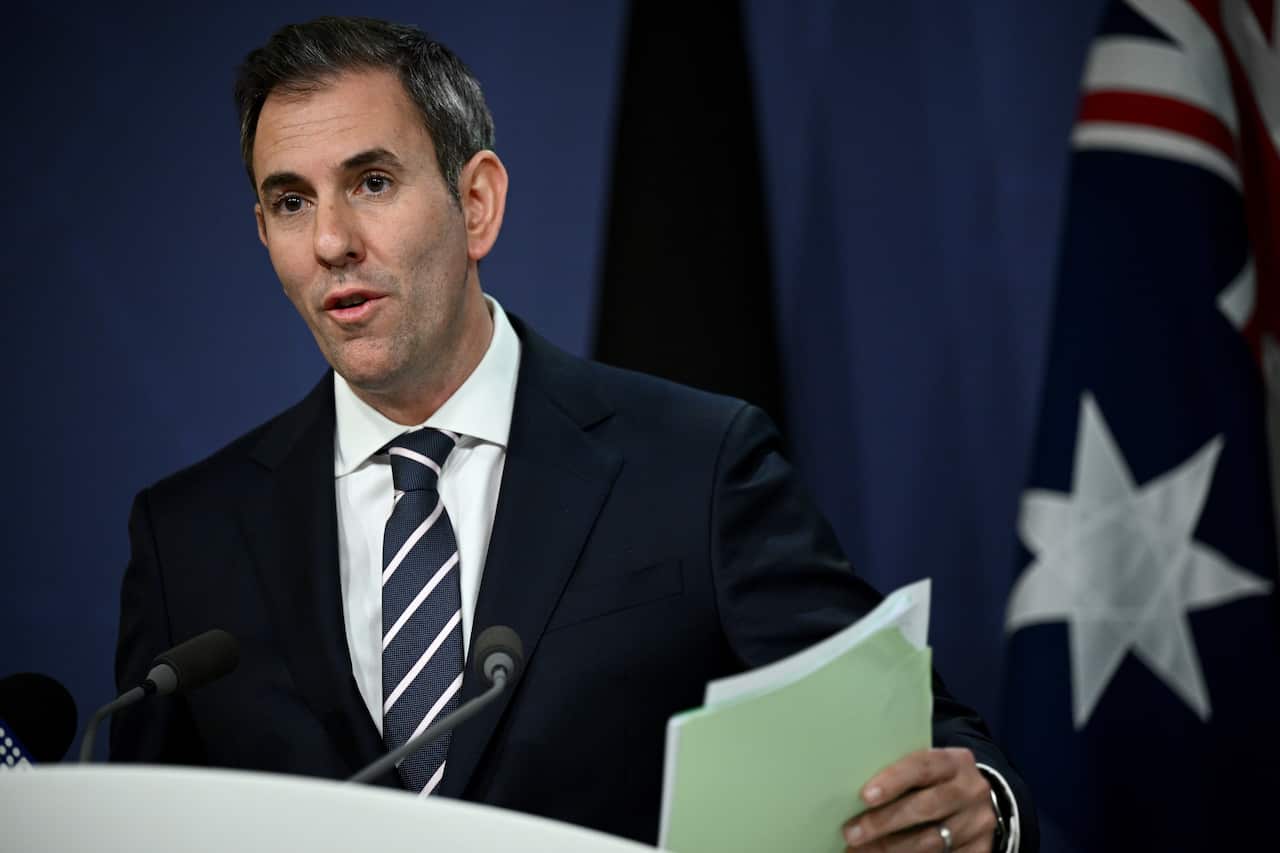
"We are better placed, better prepared and have a better plan than most countries to deal with what’s coming at us and what’s ahead of us," he said.
Demographics
Australia's population growth is expected to fall from an average of 1.4 per cent over the past 40 years to 0.9 per cent per year through to 2065–66.
For the first time in an IGR, deaths are projected to outnumber deaths by the 2060s.
But Australia's population is expected to continue to grow, reaching 39.3 million by 2065-66, largely driven by overseas migration.
The IGR assumes a long-term NOM rate of 235,000 per year; however, the Opposition and One Nation have promised a far lower number if they are in power.
The median age is projected to rise from 38.6 in 2025-26 to 45 by 2062-63. The number of Australians aged 65 and over will almost double, while the number of those aged 85 and over will almost triple.
Australia's fertility rate is projected to decline to 1.34 children per woman by 2065–66 — down from the 2023 IGR assumption of 1.62 — due to delayed family formation and smaller family sizes.
Fertility rates have now been below the replacement level of 2.1 children per woman for more than 50 years.
Australians are expected to continue to enjoy some of the longest life expectancies in the world, with life expectancy projected to reach 89.5 years for women and 86.1 years for men by 2065-66.
Unlike many other developed countries, the IGR projects Australia's working-age population (15 to 64) will continue to grow due to migration.
The report notes the median age of a migrant today is 26, compared to 38 for the resident population, helping slow Australia's ageing population.
Capital cities will continue to absorb most of the population increase, growing at twice the rate of regional areas.
The economy
Australia's economic growth — which has averaged 3 per cent per year for the past 40 years — is predicted to slow to 2 per cent, largely due to Australia's ageing population.
Despite slower growth, Australia's economy is expected to be more than twice as large by 2065-66 as it is today.
Living standards are also expected to rise, with real per capita gross national income to grow by 55 per cent.
The pathway to future productivity remains "uncertain" and will depend on major transitions and on Australia's ability to respond to technological progress, with IGC assuming a long-term productivity growth rate of 1.2 per cent per year.
The labour force participation rate is projected to peak at 67.7 per cent in 2039-40, then fall to 64.7 per cent by 2065-66.
The unemployment rate is projected to settle at 4.25 per cent over the long run.
The average weekly hours worked per employee is expected to decline from 31.4 hours today to 30.6 hours by 2065-66, reflecting a shift to more part-time work.
Australia's fiscal outlook will be challenged by rising demand for government services, pressure on the tax base and a slowing economy.
Health and aged care, the National Disability Insurance Scheme, defence, and interest payments on debt are expected to drive the majority of government spending.
Spending is expected to exceed revenue over the next 40 years, resulting in underlying cash deficits.
Australia's budget position is expected to improve over the medium term, with the underlying cash balance to reach a deficit of 0.3 per cent of GDP by 2036-37 before widening to 18 per cent of GDP by 2065-66.
However, the IGR notes this is an improvement over the 2023 forecast, which predicted a larger deficit.
Despite the challenges, the report is optimistic about Australia's position.
"The Australian economy is one of the best placed to benefit from the major transitions that will unfold over coming decades," it states.
"We have a resilient economy, a highly skilled workforce, a stronger and more sustainable budget position than most advanced economies and a younger population compared to other comparable nations."
The challenges
The IGR notes the global economy is "experiencing a period of remarkable change" which is only accelerating.
It outlines six major transitions expected to shape Australia's future: the AI revolution, geopolitical fragmentation, the energy transition, the ageing and care economy, the industrial transformation and inter-generational equity.
Artificial intelligence risks increasing inequality if the economic gains are not shared among everyone. However, it could reduce inequality by lowering consumer costs and making certain expertise and services more widely available.
"The overall effect will depend on factors such as how AI capabilities evolve, which workers and industries are most affected, how the technology diffuses and how society responds," the report says.
The report notes the energy transition is well underway as the country moves to a net zero economy by 2050. Australia has the potential to become a "renewable energy superpower" through green exports, such as critical minerals, renewable hydrogen and green metals.
"If Australia seizes the export opportunities associated with the net zero transition and becomes a global renewable energy superpower, green exports could be $68 billion higher in 2050 than would otherwise be the case," it states.
Geopolitical fragmentation is another factor, with the report noting there were eight conflicts between countries as of 2025 — the highest level since World War Two.
It says strategic competition is increasing between major powers, with global trade becoming less predictable as governments prioritise security.
"The government is preparing for a more uncertain world by better understanding where vulnerabilities exist, how they could affect the economy and where resilience measures may be warranted," the paper states.
Australia's ageing population is driving a major industrial transformation toward the care economy, increasing demand for health services while placing long-term pressure on labour supply and public finances.
The IGR notes younger generations face mounting barriers to home ownership, driven by supply challenges and generous tax concessions to investors.
However, they will benefit from a maturing superannuation system, which will become the primary source of retirement income and reduce reliance on the aged pension.
"Nonetheless, without reform, the long-term pressures on housing, the tax system and from an ageing population will intensify concerns about intergenerational equity and risk eroding Australia’s strong democratic and social cohesion as well as economic security," it states.
For the latest from SBS News, download our app and subscribe to our newsletter.







