This audio is voiced by AI and may occasionally mispronounce words.
Share your feedback and help us improve this feature. Read more about how we use AI at SBS here.
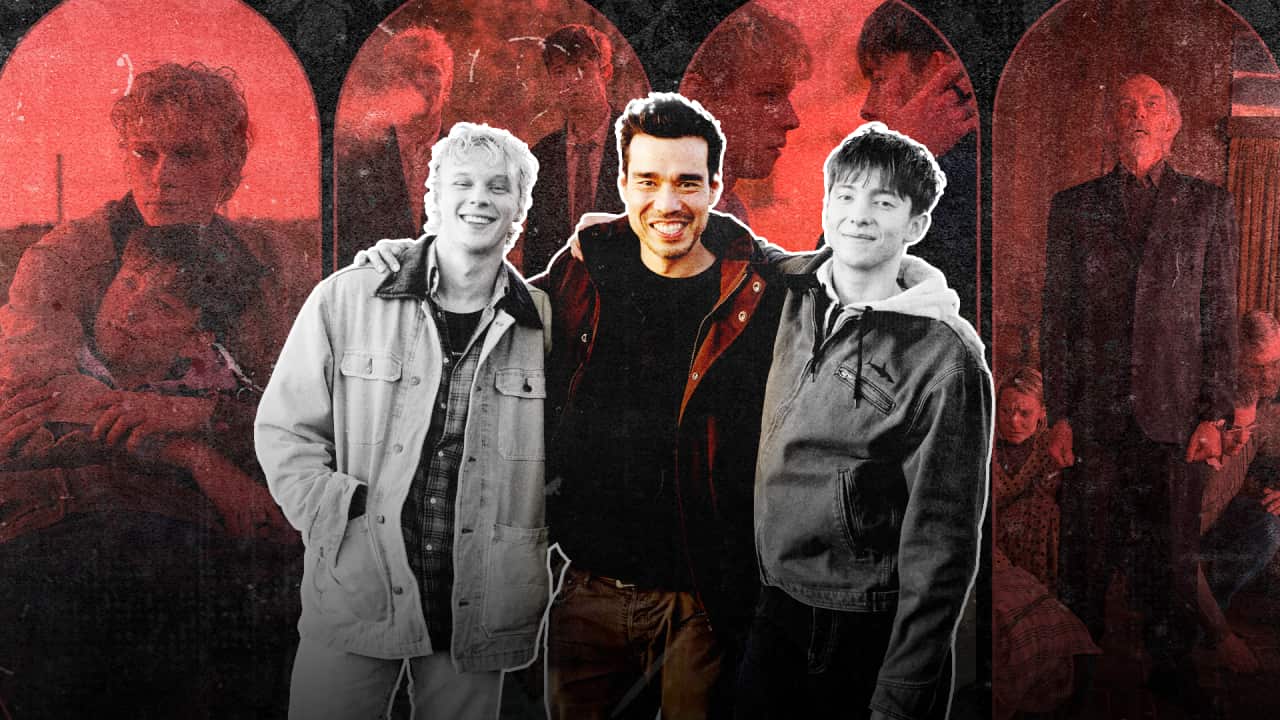
Adrian Chiarella has always viewed fear as a universal language.
Growing up in a multicultural family in Sydney — with an Italian father and a Chinese mother — the filmmaker knew he couldn't always connect with different parts of his extended family through humour.
"I could tell a joke to someone on my Chinese side of the family and they'd laugh. Someone on the other side of the family would just look at me like I'm a weirdo," he tells SBS News.
"But if I told a story about something scary, I'd have them in the palm of my hand."
As he got older, he understood why. Fear, he says, is primal.
News that makes sense
Your trusted source for staying up-to-date with the world around you. Get free daily news updates and analysis, straight to your inbox.
"It's that biological mechanism in all of us to survive and it binds us together as people," he says.
"It doesn't matter where you're from or what you believe in."
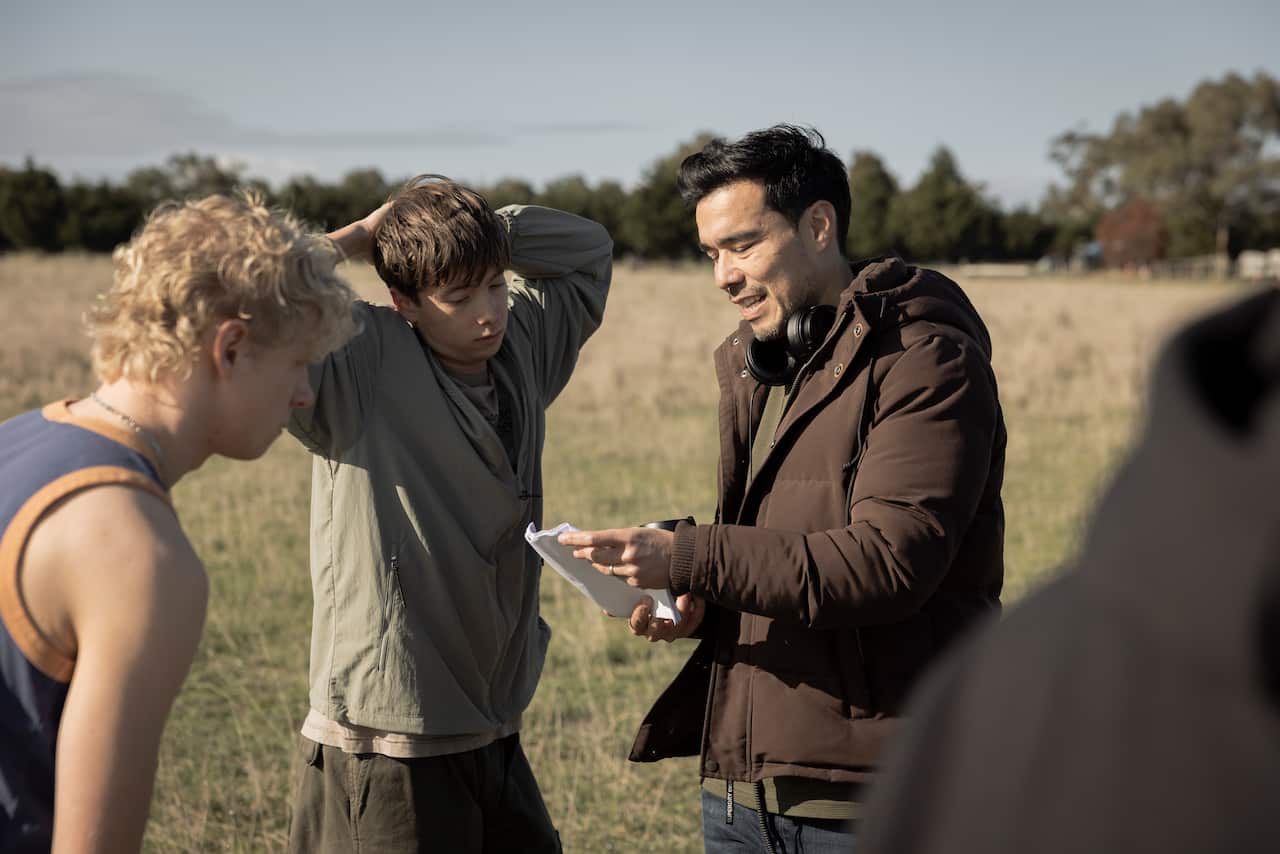
That instinct ended up shaping his debut feature film — Leviticus.
It sparked a bidding war at Sundance Film Festival — a launchpad for some of the biggest independent films of the past four decades — and is now preparing for international release.
But beneath the scares, it's a meditation on the horrors of homophobia — and the power of queer love.
'Homophobia as a type of fear'
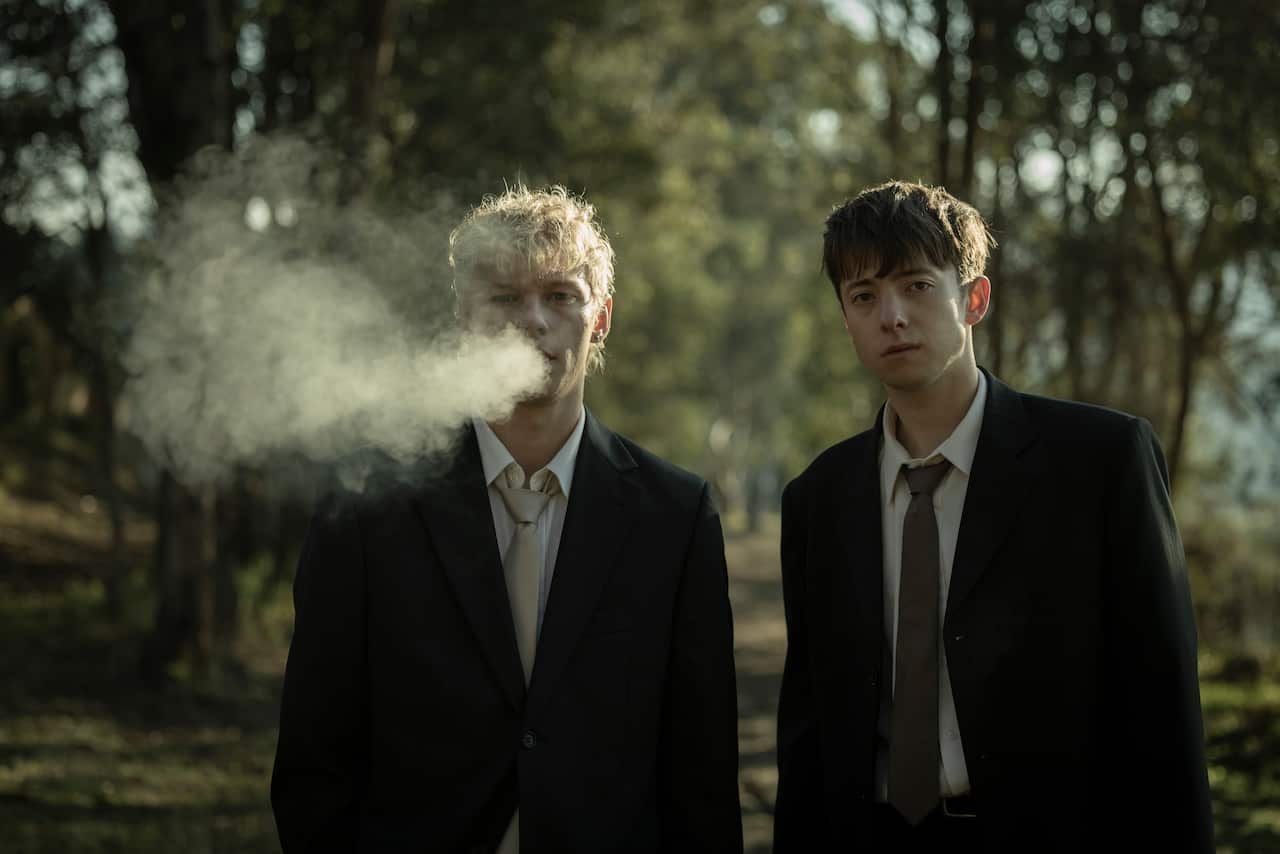
The horror follows 17-year-old Naim (Joe Bird, Talk To Me), whose world shifts when he kisses schoolmate Ryan (Stacy Clausen, Scrublands). After a run-in with a conversion therapy preacher, the boys are haunted by a demon that takes the form of whoever they desire most — each other.
Chiarella wanted to make a film about homophobia, but not the kind he'd already seen.
"I wanted to make a film that addressed this idea of homophobia and what it means today," he says.
"We'd made so much progress when I was growing up as a young gay man, but in this last decade or so, things have started to regress a little bit.
"Horror movies are often about an exploration of fear.
So I thought, why not use this genre to explore homophobia as a type of fear?
He initially considered a queer spin on The Exorcist after reading about exorcisms performed on LGBTQI+ teenagers around the world. But the concept wasn't quite right — too close to the thing he was trying to dismantle.
"That concept just feels like it's perpetuating this myth that there's a gay demon," he says.
"I started thinking: what's the opposite of that? I came up with the idea of a horror movie monster or entity that takes the form of what you desire most — that's how it lures you in."
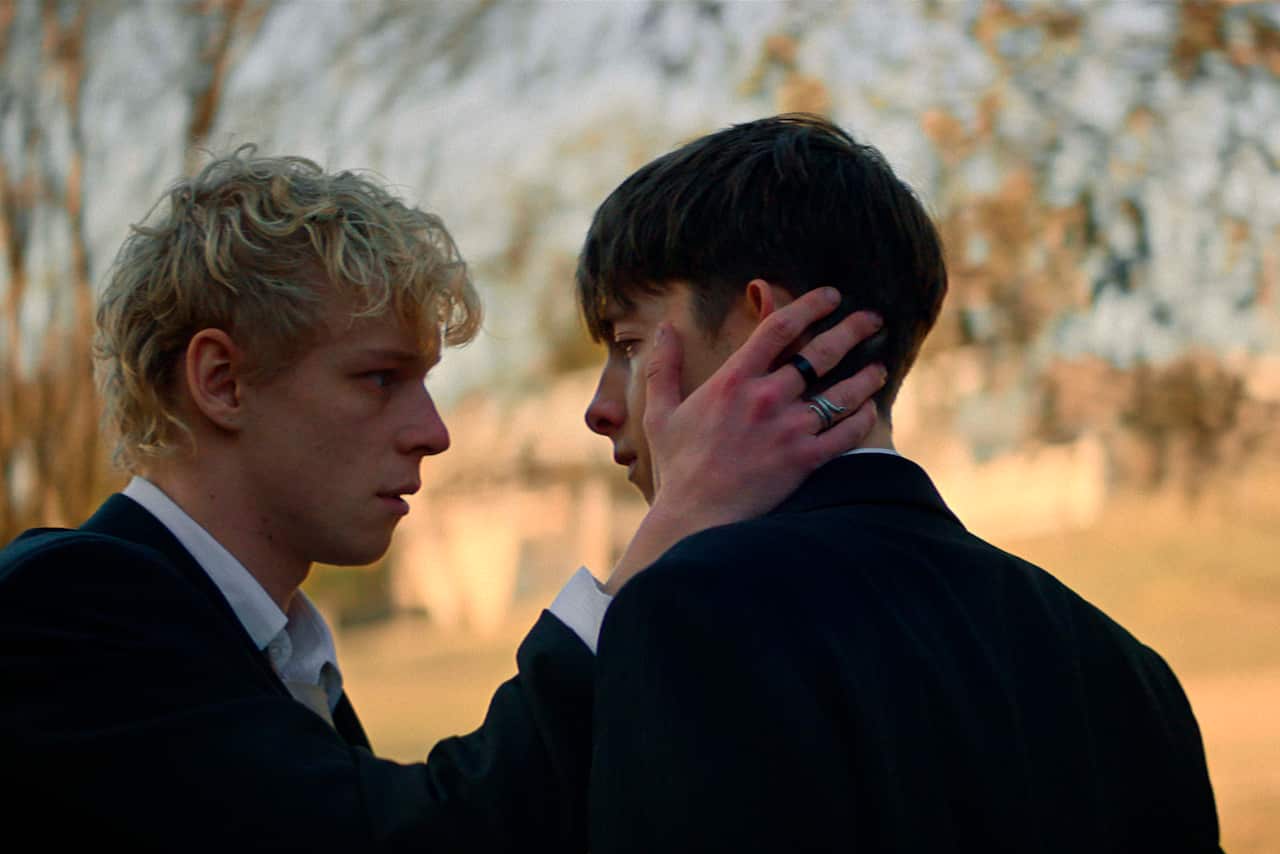
The inversion is the film's quiet thesis: the monster isn't queerness. It's homophobia.
That idea is deeply personal. Despite growing up with atheist parents, Chiarella was sent to an all-boys religious school, where he encountered many of the ideas the film interrogates. His extended family included religious relatives he watched struggle with queer people in their lives.
The film draws on all of it — and some of its darkest scenes have nothing supernatural about them at all.
A confrontation in a car park, late at night. No monster in sight. Just people.
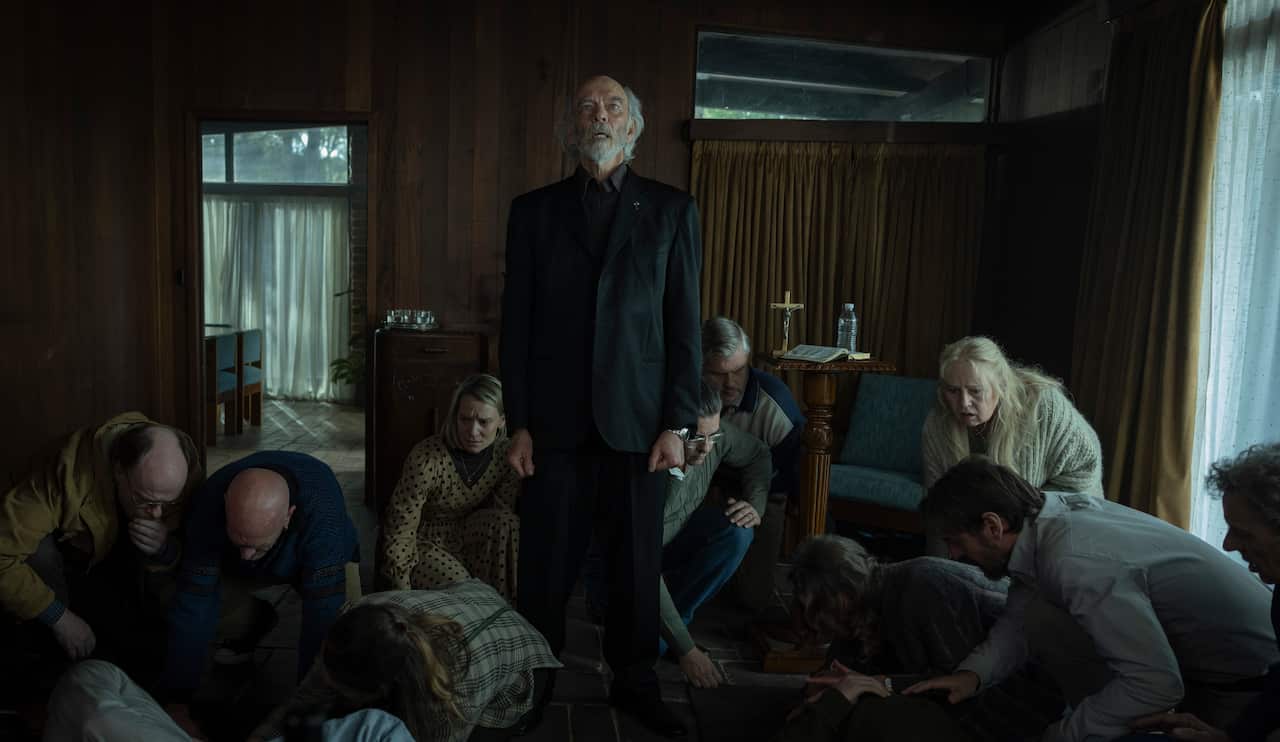
"The more real-world the homophobia was, the harder it was to shoot," Chiarella says.
"At its core, this was the moment where the real-world homophobia reared its head — the kind of thing that I think so many of us have witnessed and experienced or heard about.
"It's not veiled behind a metaphor of some supernatural monster. That was really difficult for me emotionally."
The rise of Australian horror
Leviticus sparked a bidding war at Sundance before being acquired by independent distributor NEON, which has released award-winning films including Bong Joon-ho's Parasite (2019) and Sean Baker's Anora (2024).
It's the latest Australian horror film to land one of the world's most coveted distributors — and it didn't happen by accident.
Chiarella is the latest in a string of Australian filmmakers taking horror to the world stage — with the support of a company that has quietly become one of the genre's most reliable export machines.
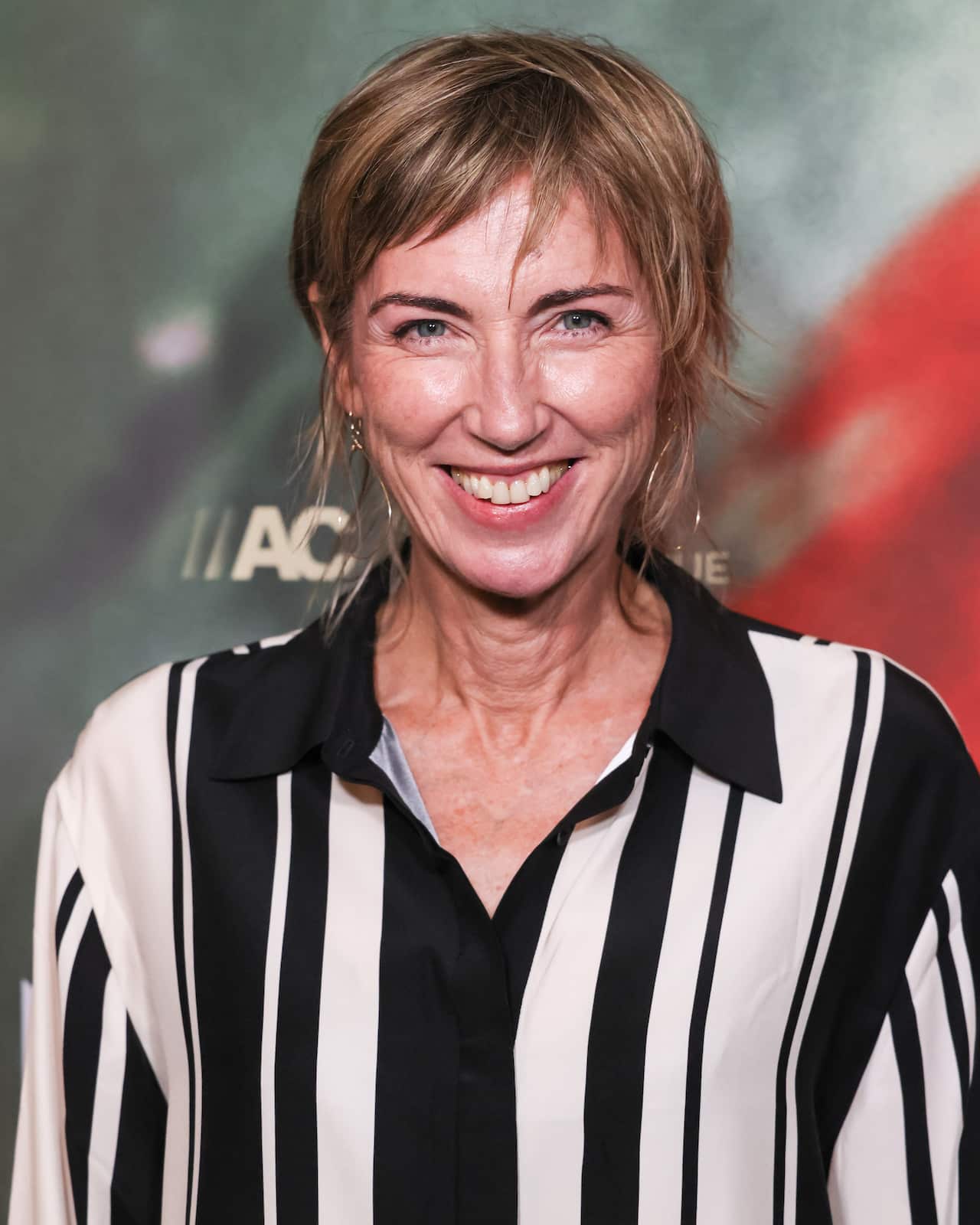
Causeway Films — the production company behind Jennifer Kent's The Babadook (2014), the Philippou brothers' Talk To Me (2022) and Bring Her Back (2025) and Jon Bell's The Moogai (2024) — has built a reputation for backing debut or early-career Australian filmmakers with distinctive voices, while maintaining a record of international distribution.
Producer and co-founder Samantha Jennings says there's something in the national character that makes Australian horror resonate internationally.
Even though there's this kind of mythology around Australians as laid-back and easygoing, there is a lot unspoken and there's a lot repressed in terms of our society and a lot that isn't faced.
That sense of being both culturally and geographically removed, she says, also shapes the stories Australian filmmakers tell.
"I do think that's part of the psyche of Australia — as well as the fact that we are just geographically othered. Horror is so much connected to otherness and the exploration of that," Jennings tells SBS News.
"You don't depend necessarily on major cast and big super established directors. You can take risks and have fresh voices. There's so much talent here."
But what links Causeway's films beyond genre is emotional ambition. They're horror films — but the thing that lingers isn't the scares.
"It's important to move people on a personal level.
"If a film can make you scared and scream and laugh and cry, then that is the dream."
No gays to bury
Scroll through social media ahead of Leviticus' release and you'll find a familiar anxiety threading through queer audiences: is this going to be another 'bury your gays' story?
The trope — which sees queer characters killed off, denied happy endings, or subject to more tragic fates than their straight counterparts — has become a source of real frustration. Put a queer love story inside a horror film, a genre not particularly known for happy endings, and the concern compounds.
Chiarella says he was deliberate about where he wanted audiences to land.
"I did not want to land in the 'bury your gays' trope with this film," he says.
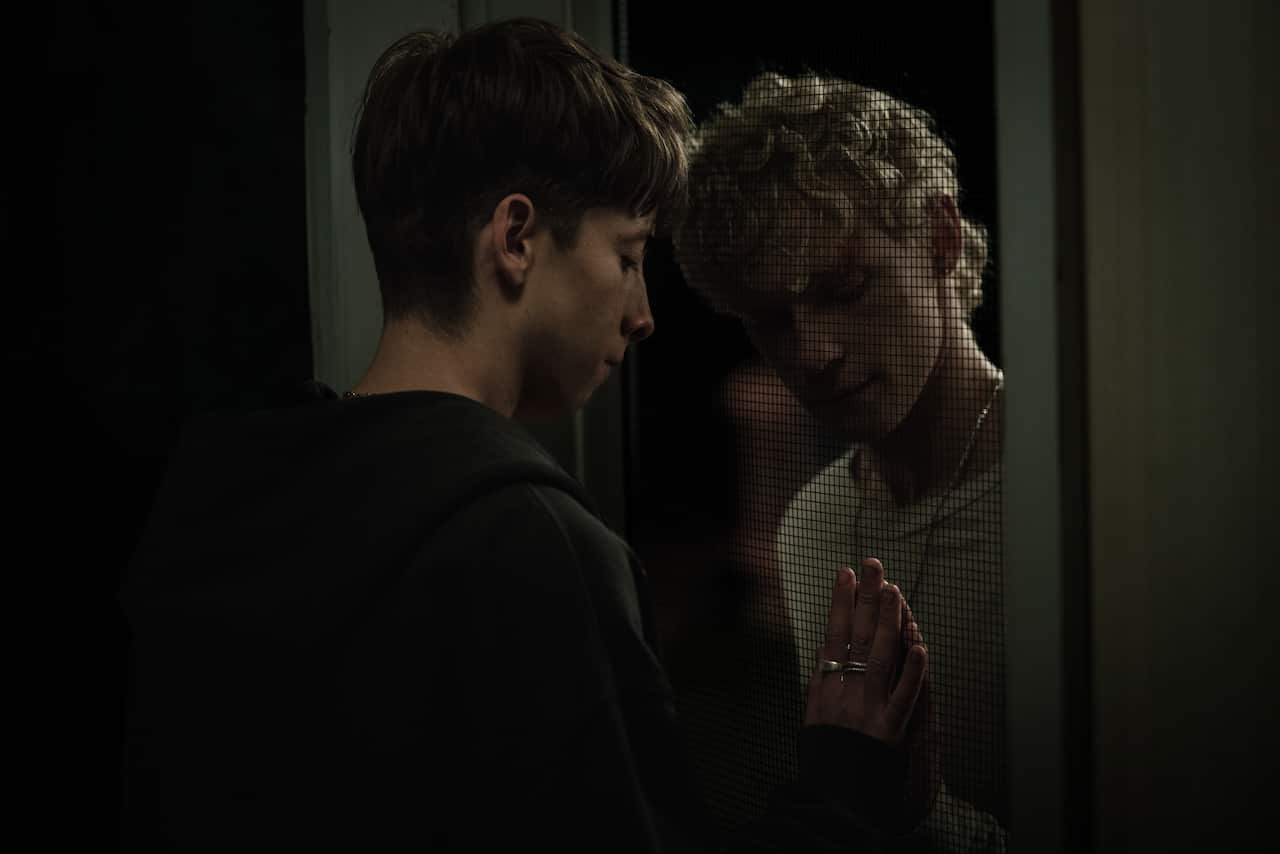
"I turned back to my love of horror movies and the truth is, as much as horror movies seem like a really dark genre, they're actually not super depressing. They're not designed to leave you feeling depressed about the world."
"I thought about some of my favourite horror movies and the way that they ended — and then I brought the truth of the love story between the characters to that and found a way for those two things to merge."
The film's final moments are soundtracked by Frank Ocean, one of the most influential queer artists of his generation — a late addition that came after Chiarella wrote him a personal letter. Ocean responded.
"He ended up being very kind to us," Chiarella says.
"That song was very meaningful to all of us — me and our cast, who are much younger than me."
'I wish this film existed when I was younger'
For Chiarella, the film's life doesn't end when the credits roll — it's just beginning.
NEON released a folder of footage to fans, encouraging them to make their own "fan edits" on social media.
"That fan edit culture and fan art and fan fiction, it's very popular, particularly whenever there's a TV series or a movie with a queer love story at the centre of it," he says.
"It's something I didn't ever expect as a filmmaker."
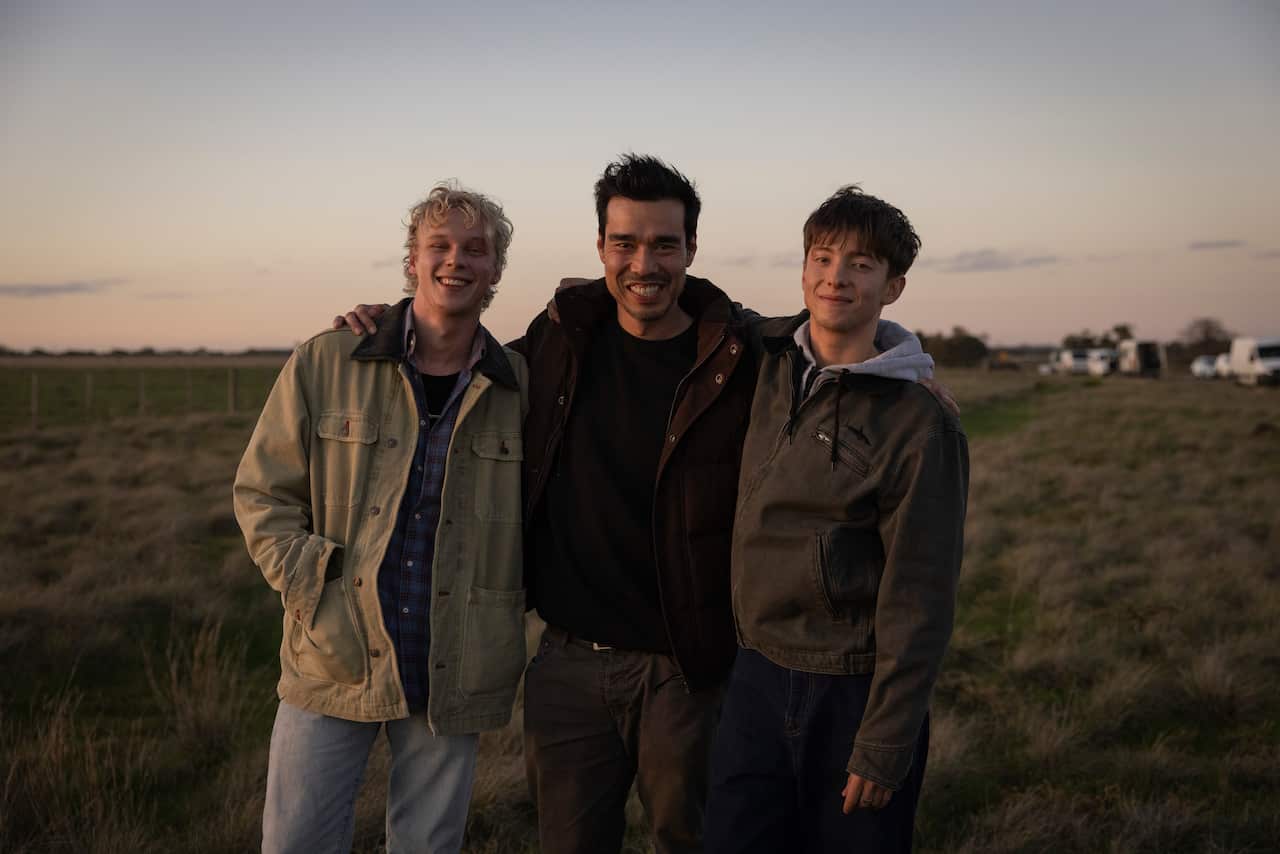
As a filmmaker, you just hope someone's going to get to see the film.
"You never think it's going to be this big thing that has a life where it's going to inspire other people to do their own creative work. That is just incredible for me," Chiarella says.
People have told him they wished the film had existed when they were younger.
"I definitely have that feeling too. Just to know that I'm seen — but also to know that other people like me enjoy this kind of genre and have turned to movies for the same reason. That would've been very special."
For the latest from SBS News, download our app and subscribe to our newsletter.







