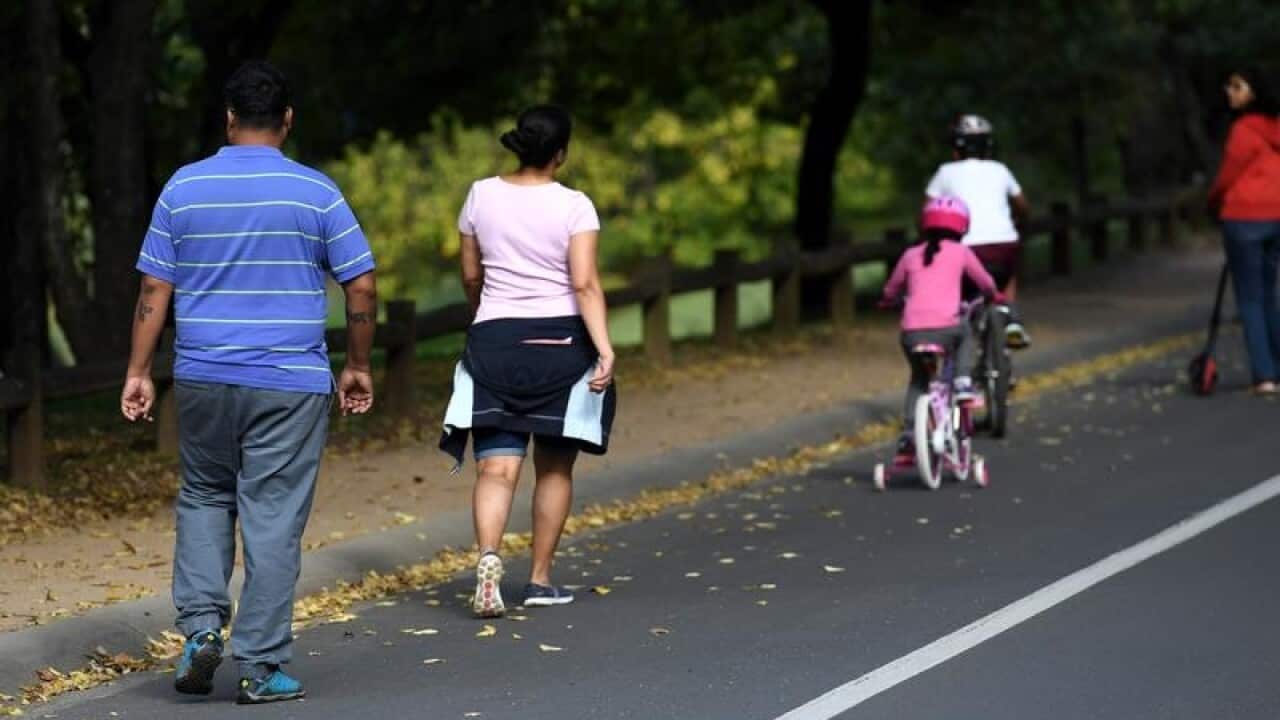
Walking faster with a bit of huff and puff may lead to a longer life by protecting against heart attack and stroke, a study has found.
Researchers at the University of Sydney have shown an independent association between walking pace and all-cause mortality.
The study of 50,000 walkers in Scotland and England showed walking at an average pace was found to be associated with a 20 per cent risk reduction for all-cause mortality compared with walking at a slow pace, while walking at a 'brisk' or fast (at least 6km/hr) pace was associated with a risk reduction of 24 per cent.
A similar result was found for risk of cardiovascular disease mortality, with a reduction of 24 per cent walking at an average pace and 21 per cent walking at a brisk or fast pace, compared to walking at a slow pace.
The older the person, the greater was the association, with the reduced risk rising to more than 50 per cent for those aged 60 years and over.
News that makes sense
Your trusted source for staying up-to-date with the world around you. Get free daily news updates and analysis, straight to your inbox.
There was no association found between walking pace and cancer mortality.
The findings are published in the published in the British Journal of Sports Medicine.
Lead author, Professor Emmanuel Stamatakis from the University of Sydney's Charles Perkins Centre and School of Public Health said the study emphasises the value of exerting the body to improve health.
He said the key is to walk at a pace that makes a person "huff and puff".
"A fast pace is generally five to seven kilometres per hour, but it really depends on a walker's fitness levels; an alternative indicator is to walk at a pace that makes you slightly out of breath or sweaty when sustained," Professor Stamatakis explained.
For the majority of the Australian population - who don't exercise regularly - stepping up the pace could be yet another thing they can do to reduce their risk of cardiovascular disease, he said.
"Especially in situations when walking more isn't possible due to time pressures or a less walking-friendly environment, walking faster may be a good option to get the heart rate up - one that most people can easily incorporate into their lives."







