The United States says the battle for human rights is increasingly being fought on the Internet as China, Iran and other states try to block access by political activists and others.
In its 2009 report on human rights abuses worldwide, the State Department highlighted how the Internet has become a battleground for supporters and opponents of fundamental rights like freedom of expression and assembly.
It was "a year in which more people gained greater access than ever before to more information about human rights through the Internet, cell phones, and other forms of connective technologies," it said.
News that makes sense
Your trusted source for staying up-to-date with the world around you. Get free daily news updates and analysis, straight to your inbox.
'Curtailing freedom'
"Yet at the same time it was a year in which governments spent more time, money, and attention finding regulatory and technical means to curtail freedom of expression on the Internet and the flow of critical information," it added.
Such governments also sought "to infringe on the personal privacy rights of those who used these rapidly evolving technologies," it added.
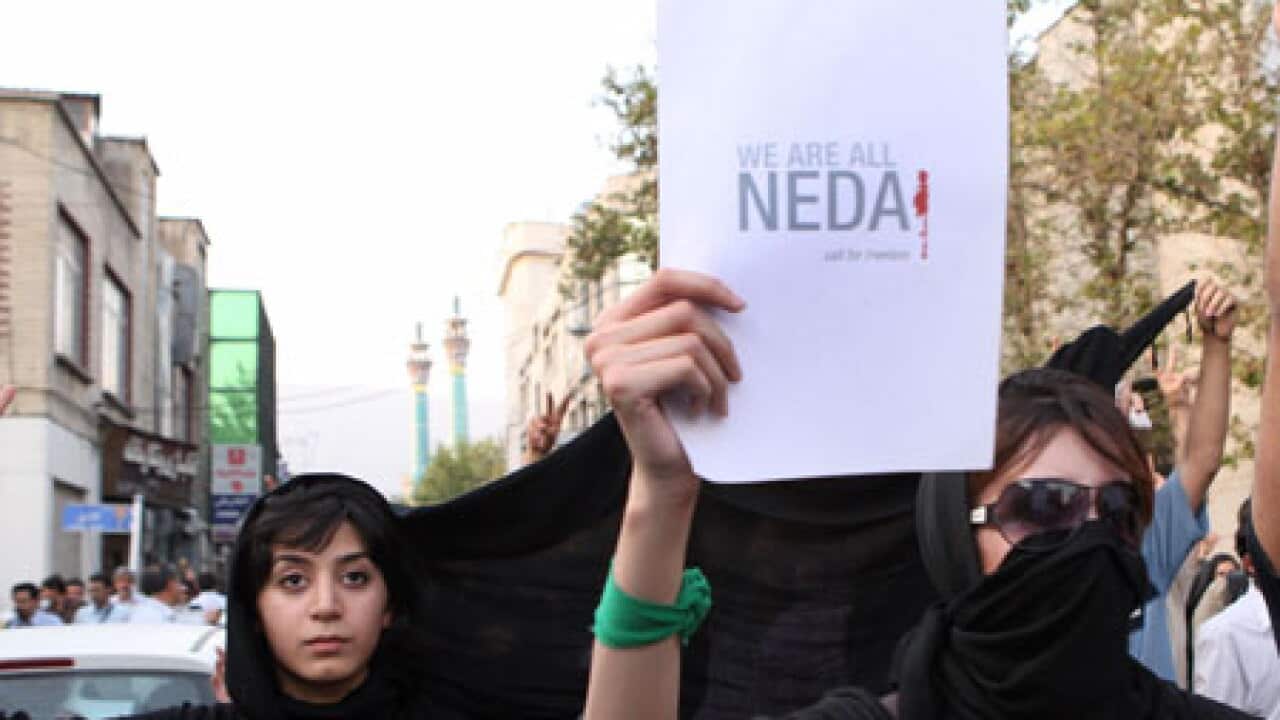
In Iran, after the contested presidential elections, authorities cracked down on new media such as Facebook, Twitter and other social networking sites.
"After the June election, there was a major drop in bandwidth, which experts posited the government caused to prevent activists involved in the protests from accessing the Internet and uploading large video files," it said.
China 'increasing monitoring'
In China, the government "increased its efforts to monitor Internet use, control content, restrict information, block access to foreign and domestic Web sites, encourage self-censorship, and punish those who violated regulations.
"The government employed thousands of persons at the national, provincial, and local levels to monitor electronic communications," the report said.
"The government at times blocked access to selected sites operated by major foreign news outlets, health organizations, foreign governments, educational institutions, and social networking sites," it said.
"The government also automatically censored e-mail and Web chats based on an ever-changing list of sensitive key words," the State Department added.
In Stalinist North Korea, "the government sought to control virtually all information," it added.
No free media in North Korea
"There were no independent media, Internet access was limited to high-ranking officials and other elites, and academic freedom was repressed," it said.
"The government prohibited all but the political elite from listening to foreign media broadcasts, and violators were subject to severe punishment," the report said.
In Cuba, "the government controlled nearly all Internet access," it said.
The authorities "reviewed and censored e-mail" as well as used Internet search filters and blocked access to Web sites they opposed.
"Citizens could access the Internet only through government-approved institutions, except at Internet facilities provided by a few diplomatic missions," it added.
In Egypt, a US ally, the government has promoted use of the Internet but monitored it closely. "During the year, police harassed, detained, and allegedly abused certain bloggers and Internet activists," it added.







