
Belgium says it is working toward providing visas to a Uighur family that went missing after being escorted out of its embassy in Beijing last week under murky circumstances.
The woman and her four children disappeared for weeks, alarming her husband, before reportedly being located back home in Xinjiang.
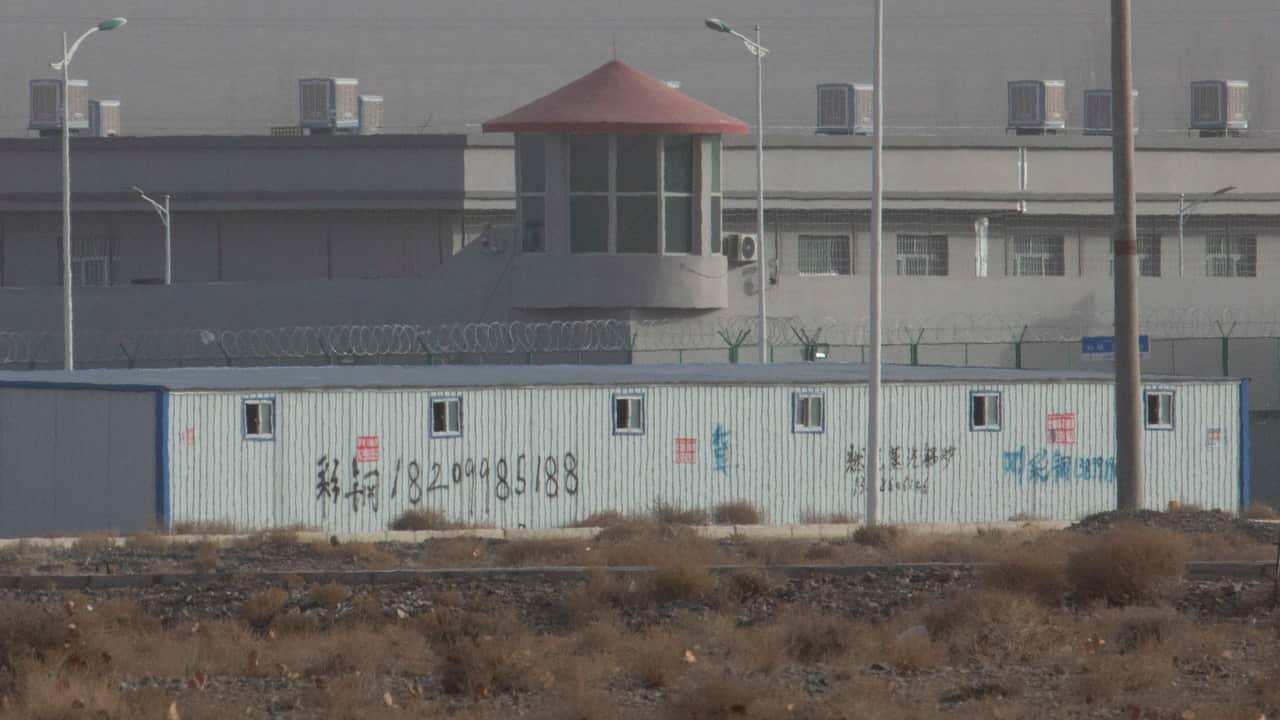
An estimated one million ethnic Uighurs and other mostly Muslim minorities are believed to be detained in internment camps in the restive region.
Abdulhamid Tursun, a political refugee in Belgium, said he has not heard from his family since May 31, a few days after they left the embassy.
News that makes sense
Your trusted source for staying up-to-date with the world around you. Get free daily news updates and analysis, straight to your inbox.
"I am worried about their safety," he told AFP. "I hope they can safely come be at my side as soon as possible, and our family can reunite."
Belgium had said one of its diplomats would travel Tuesday to Xinjiang to ascertain the whereabouts of the family. The Belgian Foreign Ministry said Tuesday evening the family had been located in Xinjiang.
"The goal of the mission has changed," ministry spokesman Karl Lagatie told AFP.
"Our embassy is still willing to travel to the region but to finalise the necessary formalities. Certain documents are still needed and must be in order," Lagatie said, adding that officials were working on arranging the trip.
The Belgian embassy in Beijing has come under fierce criticism for allegedly enabling Chinese police to take the family back to Xinjiang, where they could face detention.
"The case exposes the additional risk Uighurs in China face even if they want to seek help from foreign governments," said Patrick Poon, China researcher at Amnesty International.
"The Belgian embassy set an extremely bad example of how governments put economic interests above human rights," he told AFP.
China's foreign ministry and the Xinjiang government did not respond to AFP requests for comment.
Police fears
The mother, Horiyat Abdulla, and her children travelled to Beijing at the end of May to complete missing paperwork for their family reunification visas.
Tursun said they panicked upon learning it would take at least three months for their visas to be approved and refused to leave the embassy.
They were afraid to return to their hotel because police had visited them multiple times since they arrived in Beijing, he explained.
"The police came in the middle of the night, asking why they came to Beijing, when they would return," he said. "They were very scared, they didn't sleep all night."
The embassy offered to accompany Abdulla and her four children back to their hotel, but they "refused to leave the embassy in a kind of sit-in", a Belgian ministry spokesman told AFP.
In an interview published Tuesday, Belgian Foreign Minister Didier Reynders told Le Soir newspaper the diplomatic police "asked the family to leave the premises" and the situation was explained to the father the next day.
An embassy is not intended to "lodge people" applying for visas, he said. In the end, Chinese police escorted them away, the ministry said.
"There was a misunderstanding about the procedures to follow," Lagatie said Tuesday.
He said Belgian authorities spoke to the Chinese about "following the correct procedure." The family did not have Chinese passports when they first showed up at the embassy, Lagatie added.
A few days after leaving the mission, Abdulla and her children were taken away by Xinjiang police, her husband said, and he has not heard from her since.
'Concentration camp'
The case highlights the barriers Uighurs face in attempting to leave China.
According to human rights groups, authorities in Xinjiang have confiscated passports of Uighurs, making it difficult for them to join their relatives overseas.
Abdulla applied for a passport in 2017 but never received one, according to receipts seen by AFP.
Tursun believes that the family took a risk by travelling outside Xinjiang in the first place.
"If my family then returns to (Xinjiang's capital) Urumqi, it's very likely that they will be sent to a concentration camp," he wrote in March in an email to a non-profit helping the family with their visa application.







