It's National Reconciliation Week and this year's theme — 'All In' — is a call for all Australians to take meaningful action towards reconciliation every day.
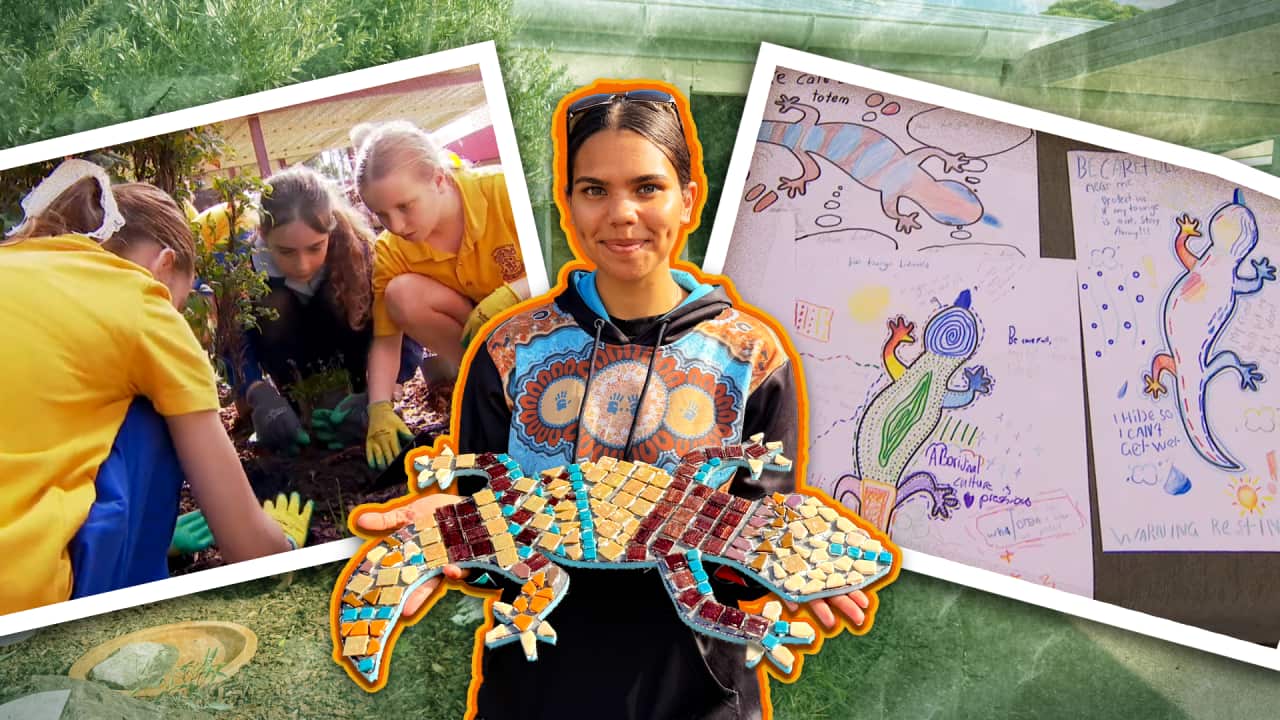
At St Bernadette's Primary School in western Sydney on Dharug Country, that commitment is taking shape through a unique classroom project centred on one of Australia's best-known native reptiles — the blue-tongued lizard.
As part of its cultural learning program, the school has adopted the lizard as its totem, using it to teach students about Aboriginal culture, caring for Country and the importance of protecting local wildlife.
Year 4 students Penny and Lillian are among those helping to build a new garden habitat for the totem — affectionately known on campus as 'Bluey' — planting vegetation and creating what Lillian describes as "a safe place for it to stay" near the school office.
For many Aboriginal communities, totems are more than symbols: they reflect spiritual, cultural, and environmental ties between people, animals and the land. At St Bernadette's Primary, that understanding is being brought to life through a familiar visitor to the school grounds as a lesson in culture, responsibility and belonging.
News that makes sense
Your trusted source for staying up-to-date with the world around you. Get free daily news updates and analysis, straight to your inbox.
The school's principal, Lisa Samojlowicz, says the idea emerged during conversations with an Indigenous parent about ways to incorporate First Nations education into the school curriculum.
"When talking with one of my parents, who is an Indigenous man, we were talking about our National Reconciliation celebrations and the different activities he might support us in developing and we started talking about the totem," she tells SBS News
"We've had the blue-tongued lizard in and out of our gardens since before. And we notice them on the gardens, on the pathway, sunning themselves."
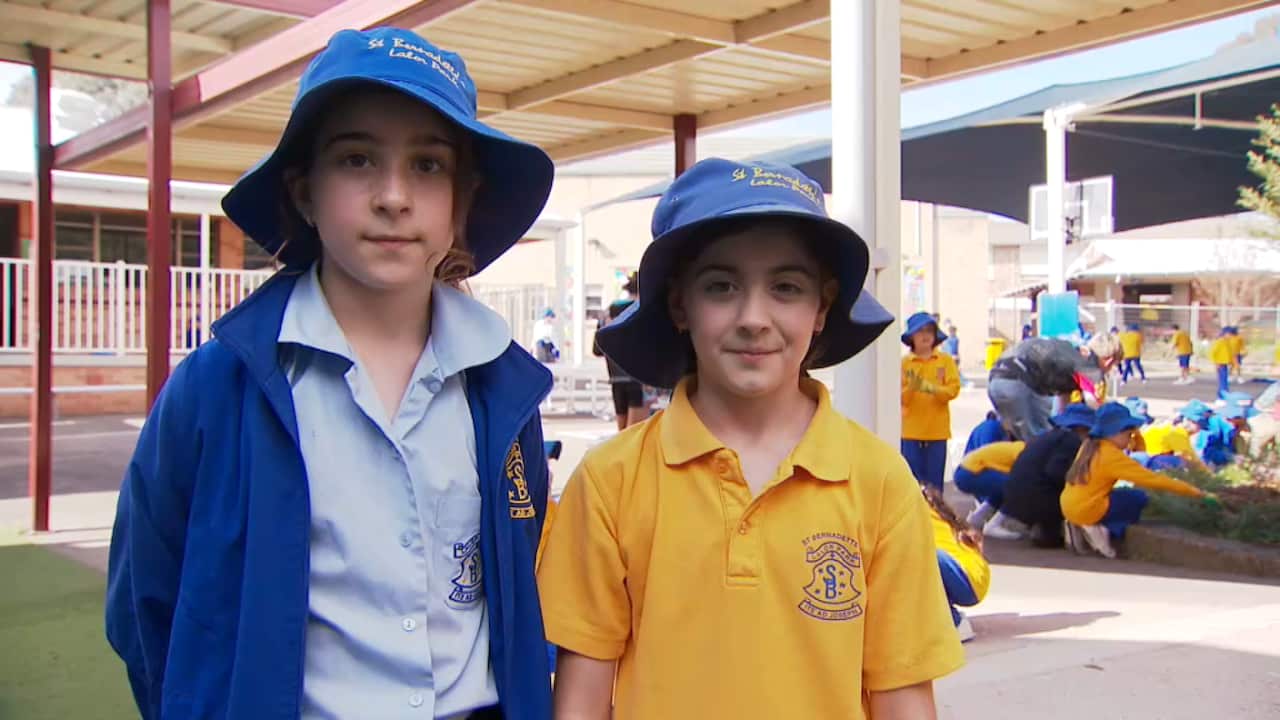
What began as a small reconciliation activity has since evolved into a broader school-wide project.
The garden project has grown in popularity with support from the Jarara Cultural Centre's Junior Rangers program, including former students like Thomas Ross.
"When we do initiatives like this, tapping into our local knowledge, we allow for our kids to become deeper into our environment and feel like they belong in this place," he tells SBS News.
Educators say the project is also creating opportunities for students to learn about the deeper cultural meaning behind totems and kinship systems in Aboriginal communities.
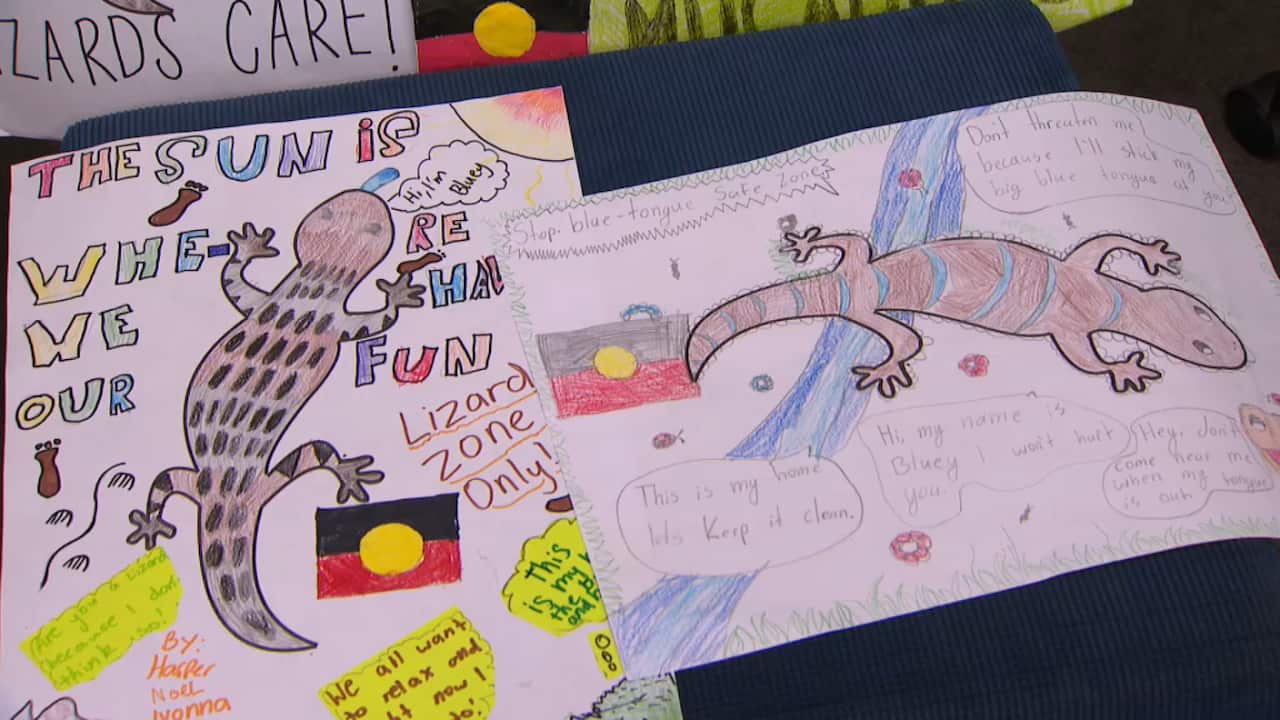
For staff involved in the project, understanding what a totem means — and how these meanings vary across communities — is just as important as the reptile itself.
What is a totem?
Lyndal Simmonds is the Jarara Cultural Centre's leading teacher. She says a "totem can be an animal, plant or a landform in a specific area that needs to be protected and nurtured".
"Often, we refer to them as keystone species because they have such a significant part to play in the area they're from," she tells SBS News.
In many Aboriginal and Torres Strait Islander cultures, totems can represent connections between people, animals, plants and Country, while also often carrying responsibilities for care, protection and belonging. Totem systems vary widely across communities, language groups, and regions.
The word 'totem' itself did not originate in Australia. According to researchers, it was derived from the Ojibwe word odoodem or doodem, used by Anishinaabe peoples in North America to describe a clan or kinship group. The term was later adopted by anthropologists and applied more broadly to different cultural systems around the world.
Jakelin Troy is the director for Indigenous research at the University of Sydney and belongs to the Ngarigu community of the Snowy Mountains in south-eastern Australia.
"It came from this idea, the way in which North American Indigenous people organise themselves into clans … So, clan groups will have an animal like a beaver or a bison or a bird, associated with their clan," she tells SBS News.
It's how they recognise each other as different groups of people within one community.
How are totems inherited?
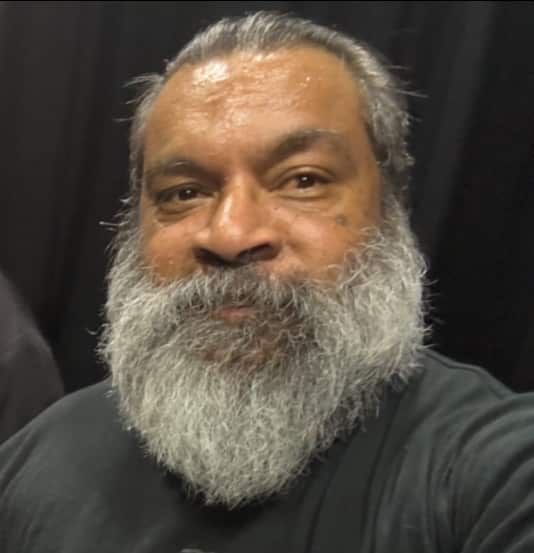
Richard Fejo, a Larrakia Senior Elder and academic at Flinders University, says there is no single Aboriginal totem system shared uniformly across Australia. Instead, practices differ between communities, language groups, and regions.
"Aboriginal culture is very diverse, and you have to understand that different regions do things differently. So, in Darwin, we're saltwater people and our totems are generally based on the environments around us," Fejo tells SBS News.
In many Aboriginal cultures, people may inherit multiple totems connected to different aspects of identity and kinship — including Country, clan, family lines, or personal spiritual connections.
Fejo says these relationships are embedded within broader kinship systems and moieties (kinship systems that divide society and the natural environment into two mirrored halves), which organise family connections, responsibilities and social relationships across communities.
"The kinship system, kin is family. And so, we have a family structure that connects everybody to everybody … It would go from grandfather to grandson, grandmother to granddaughter, and [those connections] all cross-intersect," he says.
"So, it tells us who our family relatives are, and it also tells us who we can and can't marry."
Troy says that alongside inherited group totems, some communities also recognise personal totems connected to experiences of pregnancy and birth.
"Your personal one, your mother would know when she knows she's first pregnant, and then she will tell the child at an age when they can understand … this is what she either dreamt about, or she saw when she first realised she was pregnant," she says.
Group totems, meanwhile, are often passed through family lines and kinship structures. Fejo says these systems help maintain social and cultural relationships within communities.
"The group ones are inherited. So, if your mother has a particular moiety totem, then you'll have one that is connected to hers, but a bit different so that you don't end up marrying somebody who is your first cousin," he says.
Totems can also be connected to a broader system of cultural knowledge, including stories, songs, dances, designs and responsibilities linked to particular places and communities.
"These are inherited things, those totems and totemic places, and the stories, the dreaming stories, the songs, the dances, even the designs, the artistic designs put onto people's bodies or onto dancing areas or now onto canvases to sell," Troy says.
She says personal totems can remain within immediate families, while others become more widely recognised within communities and kinship groups over generations.
Totems, kinship and caring for Country
Some people also have what's known as a 'meat totem' — a species they are responsible for protecting and therefore cannot hunt, kill or consume. The practice has been passed down through generations and reflects a long-held approach to caring for Country.
Fejo explains a person's meat totem could be a fish, a wallaby or another animal commonly eaten by others, but not by the person who carries that "responsibility".
"For example, my meat could be a fish, a river fish of some sort, or it might be a wallaby or something that people usually eat … So that is something you can't eat if it's your meat, even if everybody else eats it, you can't eat it. And you have a sort of responsibility to make sure that this thing continues to thrive."
We don't know how old the system is, but it's still practised today and it still has that range of practice where some places are stronger, some places less practised.
That responsibility is part of a broader kinship system that shapes relationships with Country.
"In the Aboriginal world, there is nothing that isn't kin, even a rock or an outcrop of rocks, even grains of sand. Every part of your Country is your kin. And to be cared for, you should have respect for it. And in return, it respects you," Troy says.
"It's a very good environmental message. If you don't look after Country, it won't, or it can't, look after you."
Those lessons are now being passed on through the junior rangers at St Bernadette's.
"Our kinship system allows our kids to recognise how they are all connected to each other within this school ... And that's our biggest goal here. We want to see young leaders, young kids growing into the best version of themselves," Ross says.
He says the program is also sparking conversations at home, with families asking more questions about Aboriginal culture and knowledge systems.
"I think it also helps with that start of reconciliation ... I think nothing is more beautiful to heal this country than a child's curiosity."
For educators, the initiative's value extends beyond the classroom — strengthening cultural understanding and building connections between young people, Country, and community.
For the latest from SBS News, download our app and subscribe to our newsletter.







