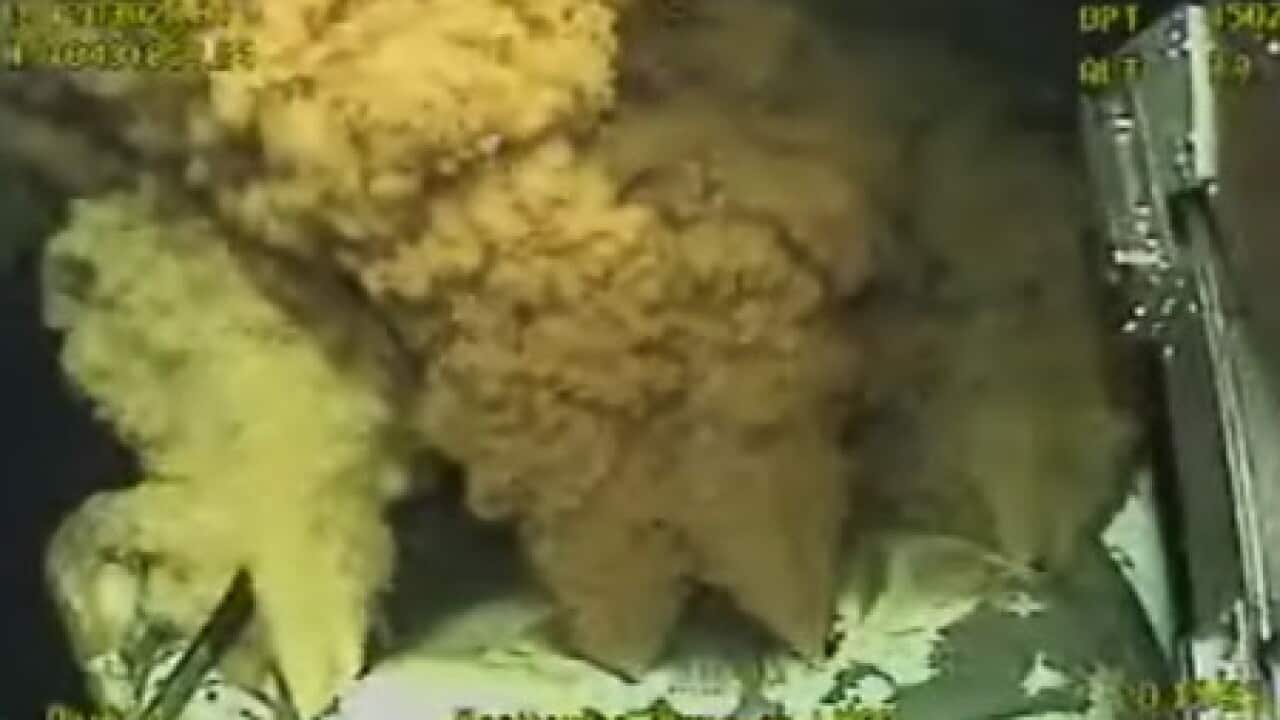
BP's risky "top kill" operation to plug the ruptured oil well in the Gulf of Mexico has failed, the energy giant said Saturday, adding it will now shift to a new strategy to stop the leak.
"After three full days of attempting 'top kill,' we have been unable to contain the flow from the well," BP Chief Operations Officer Doug Suttles told a press briefing.
"We have made the decision to move on to the next option," he added.
News that makes sense
Your trusted source for staying up-to-date with the world around you. Get free daily news updates and analysis, straight to your inbox.
Engineers had spent days pumping heavy drilling fluid into the leaking well head on the ocean floor in a high-pressure bid to smother the gushing crude and ultimately seal the well with cement.
But the effort failed, and when asked specifically why, Suttles had no direct answer.
"We don't know that for certain," he said, adding that "we were unable to sustainably overcome the flow."
Worst spill in US history
The announcement is a stunning setback for efforts to halt what has become the worst oil spill in US history, with estimates that more than 20 million gallons of crude have now poured unchecked into the Gulf of Mexico since an explosion on the Deepwater Horizon oil rig April 20 which killed eleven workers. The rig sank two days later.
The British energy giant had stressed that the "top kill" was the best chance at stopping the leak other than drilling an entirely new relief well, a process that has already begun but is expected to take another two months.
"Obviously, we're very disappointed in today's announcement and I know all of you are anxious to see this well secured," US Coast Guard Rear Admiral Mary Landry told the briefing.
"It's been our number one goal since day one, but we also want to assure you we've had a very, very aggressive response posture and we're going to continue to do so."
Efforts will now focus on severing the damaged riser pipes that lay crumpled on the ocean floor, then installing a containment device that could capture the leaking oil and syphon it to the surface.
BP and the Coast Guard said it would take four to seven days before the contraption - dubbed the "Lower Marine Riser Package," or LMRP - can be put in place.







