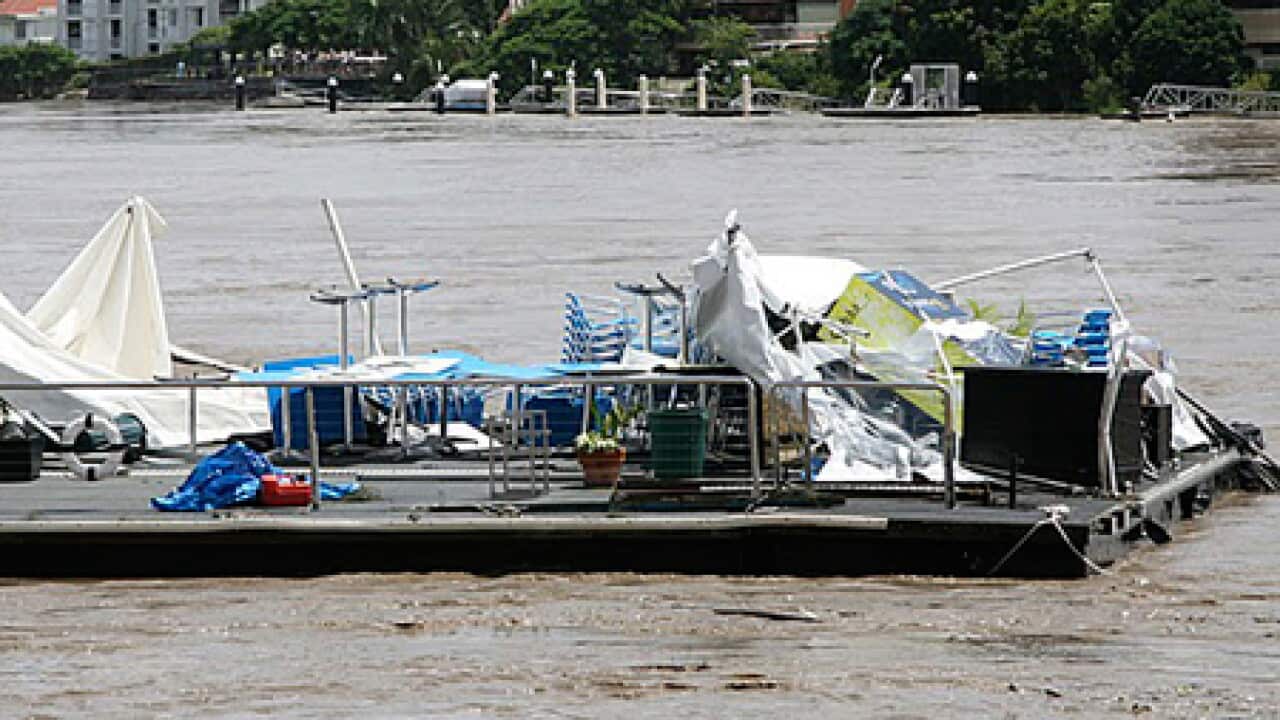
The Brisbane River flooding would have been largely avoided if dam operators had raised their releases of water on the weekend before last Monday's deluge, an engineer says.
Engineer Michael O'Brien told The Australian the river flood and the devastation of thousands of homes was inevitable after a decision to release relatively low volumes of water from the Wivenhoe Dam on Friday, January 7, and over the ensuing weekend.
He said over that weekend the dam's operators released a total of about 200,000 megalitres.
News that makes sense
Your trusted source for staying up-to-date with the world around you. Get free daily news updates and analysis, straight to your inbox.
Scrutiny of official water-release and dam volume data shows the flood would have been moderate at worst in Brisbane had there been larger releases in the days before the deluge, he said.
Mr O'Brien, whose written review is based on publicly available data released by the Queensland government-owned dam's operators, SEQWater, said full disclosure is vital to reassure people that the dam was operated responsibly.
However, SEQWater Grid chief executive Barry Dennien has insisted that although the January 8-9 releases were relatively low compared with what occurred in the days afterwards, this was in accordance with the operating manual to mitigate flooding.
He said that nobody had foreseen the extreme rainfall that ensued.
Queensland's Natural Resources Minister Stephen Robertson said all the evidence showed SEQ Water did "everything they could to minimise the impacts of what was an extraordinary event".
But a review into the dam's workings would look at these issues.
"We should wait for the outcome of that review to determine whether any further improvements to the way the system was operated can be put in place for the future," he told reporters in Brisbane on Monday.
He said Wivenhoe Dam was at about 120 per cent of capacity, and releases were still occurring.
Somerset Dam was at around 100 per cent capacity now, he said.







