Who am I? I am the 15th most abundant element in the Earth's crust, and I have been known since antiquity. My symbol is C and my atomic number is 6. I come in three naturally-occurring isotopes, but only one of them is radioactive.
For one of the world's simplest substances, carbon has sure been complicating things in modern times.
Especially where 'modern times' means 'this week'.
News that makes sense
Your trusted source for staying up-to-date with the world around you. Get free daily news updates and analysis, straight to your inbox.
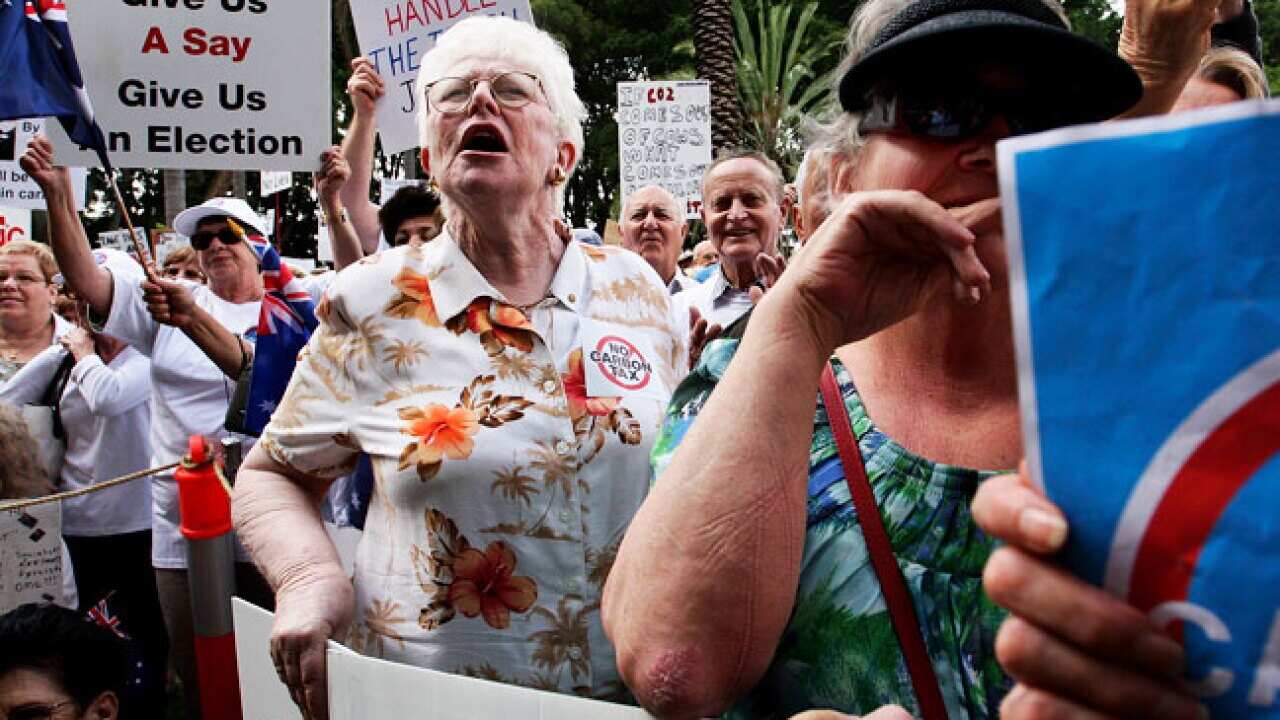
The PM's attempts to put a price (the opposition calls it a tax) on that most basic component of life on Earth has resulted in a terrible row that's dragged in environmentalists, economists, miners and you, dear readers.
But rather than clicking on the myriad articles detailing the daily rantings and railings of this MP or that mining magnate, you went straight for the hard facts.
A factsheet that answers the questions: What is a carbon tax? How does it work? and Which other countries have them? thundered in at the top of this week's list.
In second place, SBS Mandarin News Australia's exclusive report - revealing a business that finds lookalikes for Chinese students facing an English test to get Aussie permanent residency.
One can't help but wonder whether the Aussie authorities who were duped by lookalikes were not left beetroot-faced by this telling quote from 'Mr L', a substitute exam-sitter:
"... It is hard to figure out the difference between us, especially after changing my hairstyle."
In third place, there was further evidence of your voracious hunt for facts and figures, in the face of an issue being kicked about by both the Coalition and Labour, with each proclaiming to wear some sort of golden boot.
Asylum seekers: Myths and facts sailed into the top 10 for the zillionth week in a row. 'Bravo' is all there is to say to those who seek the plain truth.
Inspiring more rage was a Toronto policeman who - in a university address - trotted out the 1950s view that a person's taste in clothes is in some way a legitimate cause of sexual attacks.
Melbourne's 'Slut Walkers' didn't take it sitting down, heading out onto the streets and clicking into fourth place.
On their heels came the androids. Our journo and blogger Bill Code took a candid look at how the Android system stacks up next to its ever-hyped, fruity competitor.
As even-handed as Bill's argument was, the next item on the list was enough to turn anyone fruitarian.
Horrific images from Indonesian abattoirs broadcast on the ABC stunned the nation, prompting an immediate ban on live exports to 11 of them. Animal rights groups say that's not enough.
Comfortingly, SBS Radio talked to the head of a Halal certification body, who said the tail-breaking, eye-gouging and slow, cruel deaths were unacceptable under Islamic law.
Cate Blanchett and Michael 'How's-the-serenity' Caton came in seventh, in an ad aimed at convincing Aussies that they should back a tax/price on good ol' C6.
Naysayers slammed the pair for telling less-wealthy Aussies what they can and can't afford, an argument that smacks of 'Julia Gillard knows nothing about parental leave because she's childless'.
Barnaby Joyce stuck with asserting that Cate should stick with acting and leave carbon pricing to far more capable individuals such as himself.
Flash flooding hit Sydney next, drawing the week's eighth-highest number of clicks, perhaps from Sydneysiders, or perhaps from Queenslanders and Victorians thinking another part of Australia was about to come close to understanding what they went through in January.
In ninth spot, a funny-sounding headline turned deadly: killer cucumbers swept Europe, bringing E.coli poisoning, leaving 17 (at last count) people dead and igniting a blame row between Germany and Spain.
Finally, this week's number ten is brought to you by ... the number 10. Last week's hottest-clickers list Planking, tornadoes and asylum seekers scraped in again.
While it's tempting to imagine that the quality of the writing (ahem) was behind the article's enduring popularity, the real reason most likely begins with 'P' and ends with 'lanking'.







