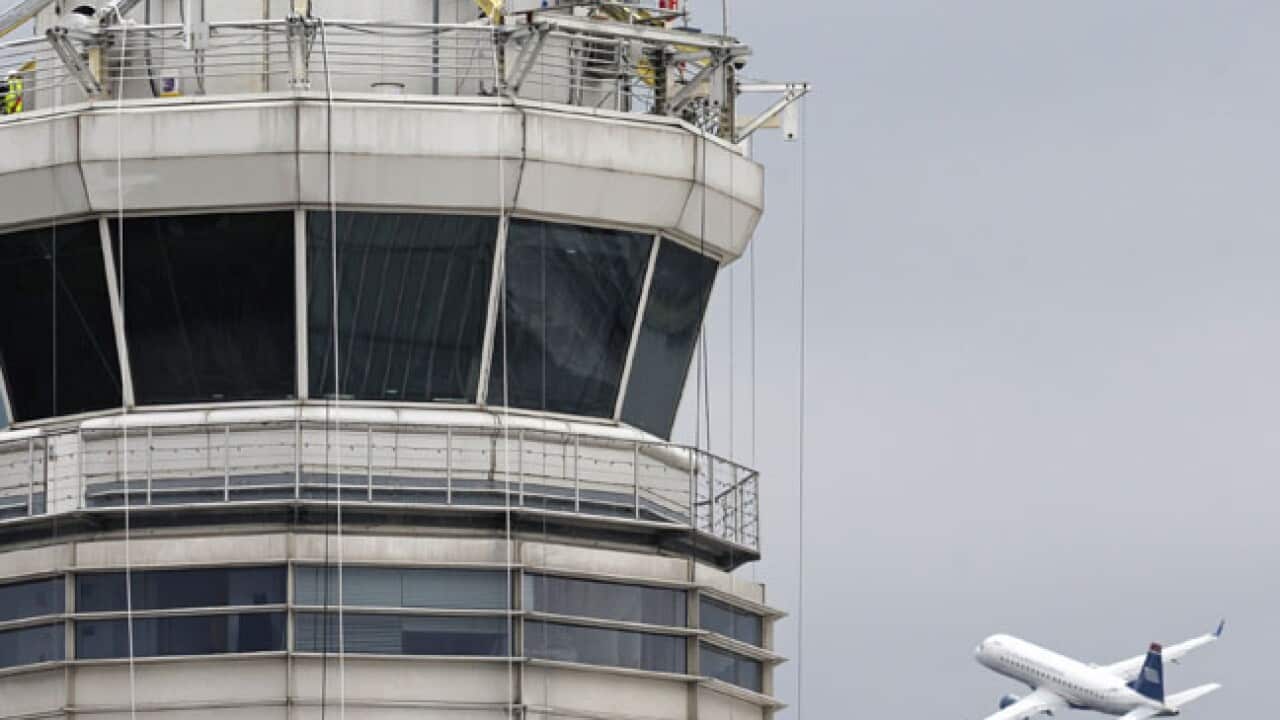
The FAA said it will prohibit "scheduling practices that have been identified as those most likely to result in air traffic controller fatigue". The changes are due to be implemented within days.
The announcement came after authorities earlier suspended an air traffic controller who fell asleep on duty during the overnight shift at the control centre in Miami.
News that makes sense
Your trusted source for staying up-to-date with the world around you. Get free daily news updates and analysis, straight to your inbox.
Although the unidentified controller did not miss any calls from aircraft, it was the latest in a string of similar incidents that led to the resignation Thursday of the FAA's head air traffic control, Hank Krakowski.
President Barack Obama tried to reassure Americans on Thursday, telling ABC News: "We've got it under control".
On the latest incident, the FAA said "all controllers were given a briefing on professionalism and the importance of reporting to work fit for duty" before the shift started.
Unlike most of the other cases, in which controllers nodded off while alone, the Miami tower had 12 controllers on duty and two managers. Another controller reported the incident to a manager.
FAA Administrator Randy Babbitt said he is discussing the scheduling changes with the National Air Traffic Controllers Association (NATCA) and will announce more details soon.
"We are taking important steps today that will make a real difference in fighting air traffic controller fatigue," Babbitt said in a statement. "But we know we will need to do more. This is just the beginning".
US Transportation Secretary Ray LaHood added: "We are taking swift action to ensure the safety of our aviation system. There is no excuse for air traffic controllers to be sleeping on the job".
Controllers' union hails move
Controllers' union president Paul Rinaldi hailed the scheduling change as a "smart move."
"This latest incident earlier today is of great concern, as it is never acceptable when we don't provide the level of service expected and required of us on every shift”, he added.
Rinaldi said the union and the FAA "are in agreement that fatigue and scheduling must be addressed". The union represents 20,000 workers, including controllers, engineers and others.
The FAA said this week it would add a second overnight controller to 27 towers that were staffed by just one. The announcement came on the same day a controller at Reno-Tahoe International Airport in Nevada fell asleep, forcing a medical plane carrying an ill patient to land without any guidance.
But Congressman John Luca, a Florida Republican who chairs the House Transportation and Infrastructure Committee, argued that extra staffing is not the problem.
"Only in the federal government would you double up on workers, averaging $161,000 per year in salary and benefits, that aren't doing their job", Luca said.
"This increase in staffing, when there is little to no traffic, also misdirects our resources and focus away from congested air traffic control facilities”.
Flights landed while controller slept
Last month, two jets carrying a total of 165 people landed without help at Reagan National Airport outside Washington because the lone controller on the night shift had fallen asleep.
The FAA also revealed that another air traffic controller at a Seattle airport fell asleep several times, including in January and most recently during a morning shift April 11.
Two controllers were suspended for an early morning incident March 29 at the international airport in Lubbock, Texas. On that midnight shift, the controllers were unresponsive and it took "repeated attempts" for a controller in a different city to establish contact, the FAA said.
Krakowski, who recently resigned, told lawmakers in September 2008 that the FAA had conducted "our first-ever fatigue symposium" to find ways to help "flight operations and shift-work operations, including air traffic control, maintenance, ramp operations and aircraft dispatch".
At that time, runway incursions were the main problems related to fatigue issues.







