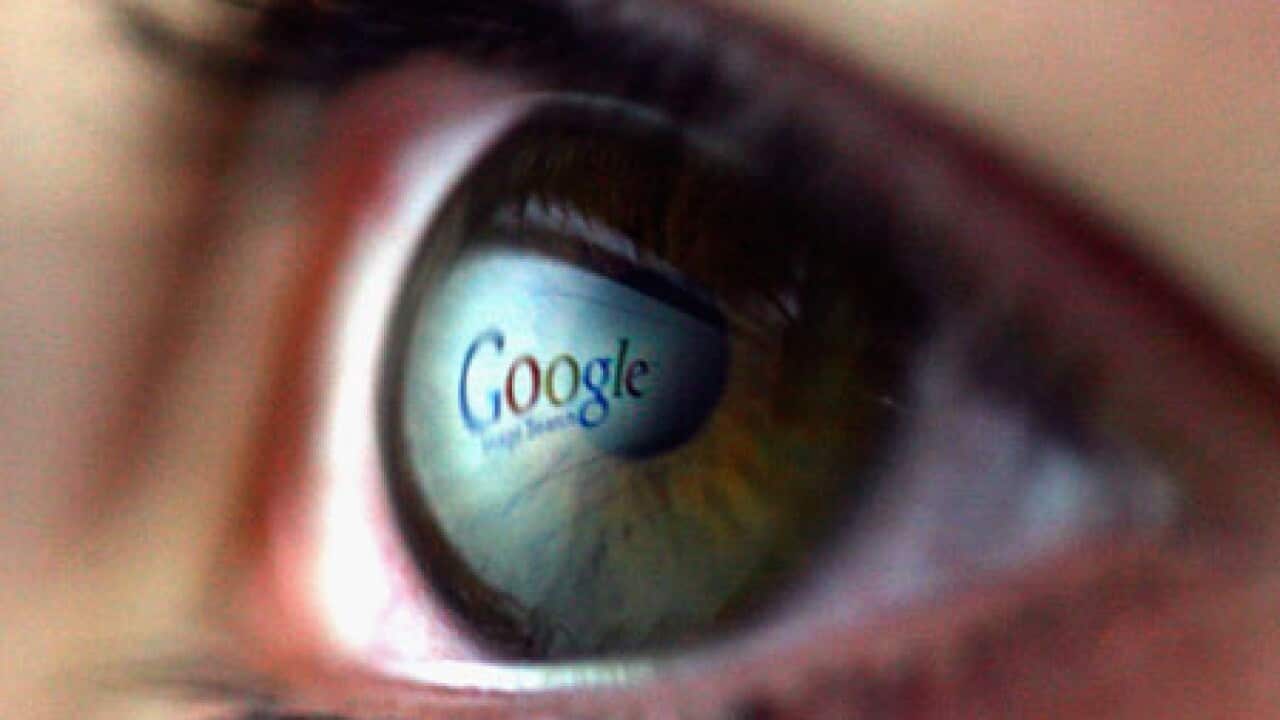
China has defended its stance on Internet safety, saying the country is the 'biggest victim' of hacking and has denied its involvement in Google cyberattacks.
The statements from Beijing, carried in twin interviews on the state news agency Xinhua, came after the White House said US President Barack Obama was "troubled" by Google's claims that it had been attacked by China-based hackers.
The US Internet giant has threatened to abandon its Chinese search engine, and perhaps end all operations in the country over the cyberattacks. It has also said it is no longer willing to bow to Chinese government censors.
News that makes sense
Your trusted source for staying up-to-date with the world around you. Get free daily news updates and analysis, straight to your inbox.
The "accusation that the Chinese government participated in (any) cyberattack, either in an explicit or inexplicit way, is groundless and aims to denigrate China," an unnamed spokesman for the Ministry of Industry and Information Technology told Xinhua.
"We are firmly opposed to that," the spokesman said.
"China's policy on Internet safety is transparent and consistent," he added, reiterating that the country was itself the "biggest victim" of hacking.
Google row threatens ties
The Google row, which erupted less than two weeks ago, has threatened to rattle Sino-US ties, which are already dogged over a series of trade and currency issues, US arms sales to Taiwan and climate change.
Last week, Beijing lashed out at Washington after a speech by US Secretary of State Hillary Clinton on Internet freedom, saying the address had been "harmful" to bilateral relations.
"We urge the United States to respect facts and stop using the so-called Internet freedom issue to criticize China unreasonably," said foreign ministry spokesman Ma Zhaoxu.
Internet regulation defended
In the second interview carried by Xinhua early Monday, a spokesman for China's State Council, or cabinet, said Beijing's efforts to regulate the Internet were legitimate and should be free from "unjustifiable interferences".
China has full justification to regulate what it deems to be harmful Internet content, the unnamed cabinet spokesman said, noting that such a policy had nothing to do with claims of "restrictions on Internet freedom".
In her speech, Clinton lamented what she said was Beijing's increasing efforts to control what its 384 million web users can see -- a system known as the "Great Firewall of China", by which Google said it can no longer abide.
The Chinese cabinet spokesman said "different countries have different conditions and realities" which called for different Internet regulations.
But the official added while Beijing was willing to discuss Internet use with other countries, it was opposed to "any defiance of Chinese laws" or intervention in its affairs "under the pretext of 'Internet management'".
Google to stop censoring Chinese searches 'soon'
Google has not yet stopped censoring search results on google.cn, but Google chief executive Eric Schmidt said Thursday it will happen soon.
"We continue to follow their laws, we continue to offer censored results. But in a reasonably short time from now we will be making some changes there," Schmidt said.
The State Department said Friday that US and Chinese diplomats had held several meetings to discuss the attacks on Google, which the firm said appeared aimed at cracking the email accounts of Chinese human rights activists.
"We are having high-level meetings and we will continue to have meetings and we will continue to press this issue aggressively," State Department spokesman Philip Crowley said. "We will continue to seek an explanation from China.
"A blanket denial that nothing happened we don't think is particularly helpful," Crowley added.







