In brief
- Palau has accused China of weaponising tourism amid tensions over its diplomatic ties with Taiwan.
- Australia has doubled peak-season flights to help Palau attract more visitors and boost resilience.
As our boat bobs along clear turquoise waters, the local operator hands us snorkelling masks. You don't need them, though, to see a stunning coral reef and schools of vibrant fish surrounded by historic limestone islands.
In a nearby lake, we swim under the hot sun and among hundreds of jellyfish, some tickling our legs and arms. They're harmless, Palau's president Surangel Whipps Jr, had earlier assured us.
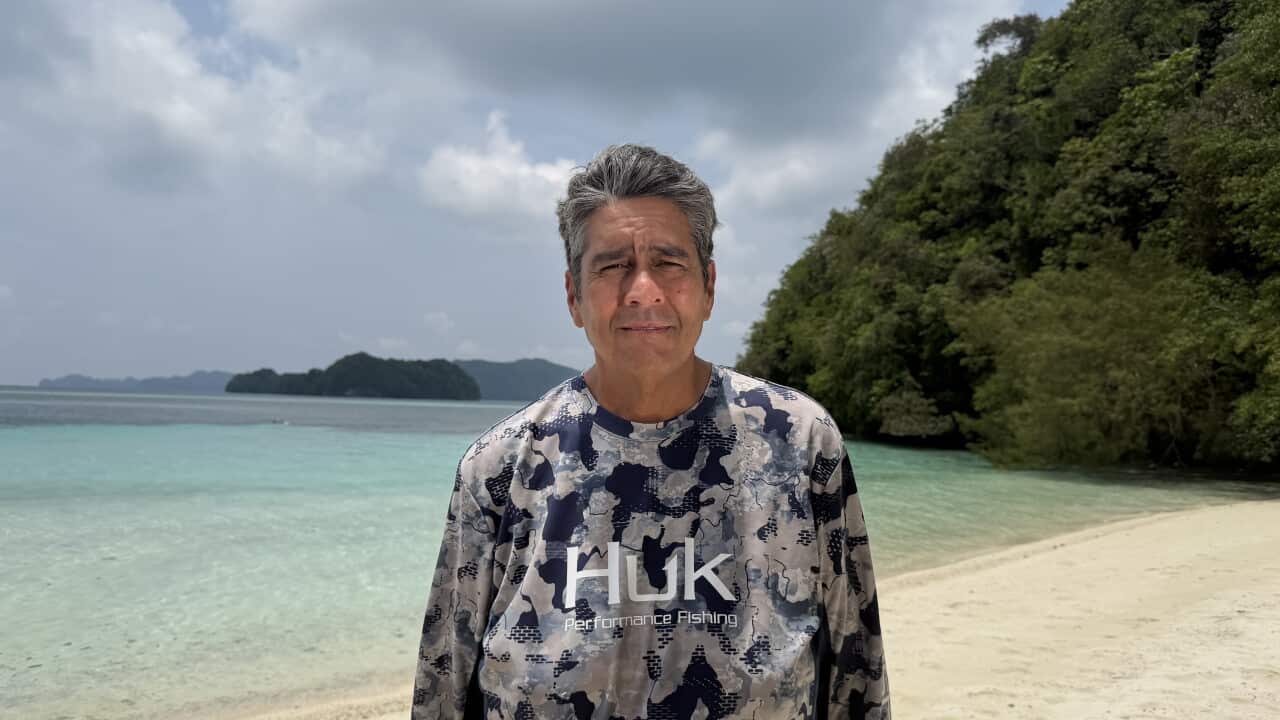
Whipps, fresh from hosting a highly charged Pacific Islands Forum, proudly points to the postcard landscape behind him: "This is my office", he declares.
It's in Palau, a Micronesian nation dotting the western Pacific, with a population of just 18,000, that China has triggered its sting. The reason: Palau is one of just 12 countries in the world to formally recognise Taiwan, a decision that has long angered Beijing, but its wrath was felt on the global stage this week.
Just days before 2,000 people were expected to converge on the island for the 55th Pacific Islands Forum leaders' meeting, China issued a travel advisory to its residents, warning them of "theft" and "a dangerous local marine environment".
News that makes sense
Your trusted source for staying up-to-date with the world around you. Get free daily news updates and analysis, straight to your inbox.
Whipps said it was "unfortunate" that Beijing was "weaponising tourism", an industry Palau is heavily reliant on. More than 40 per cent of its GDP comes from the tourism industry.
"We live in a free world. We should enjoy each other's treasures and treat each other with respect, and I hope that the people in China see that," Whipps said.
"Maybe [Chinese] leadership has a different opinion, but at the end of the day, we're all people of this one planet, and we care about each other."
Palau's ambassador to Taiwan Gaafar Uherbelau says this isn't the first time China has used tourism to respond to diplomatic spats.
"We saw a peak in Chinese tourists that came in, and then all of a sudden we saw a plunge due to this ongoing tension that we got caught in between," Uherbelau says.
In 2015, Palau boasted more than 165,000 visitors from around the world, and more than 91,000 of them came from China alone. Last year, total visitors were just two-thirds of that number, recording just 65,558 people.
But in November 2017, the Chinese government ended chartered flights to the island and ordered tour operators to stop selling package tours to Palau, in what was unofficially known as a "tourism ban". By 2019, Palau's total visitor numbers had halved to just 85,000 and tourism from China plummeted by 63 per cent.
Despite the CCP's efforts, Chinese visitors are slowly increasing post-pandemic, with many instead taking flights to Palau via Hong Kong.
"We've learned to be more resilient against these different shocks for whatever reason, and we continue to remain optimistic about the future," Uherbelau says.
Australia helping 'diversify' Palau's tourism base
Prime Minister Anthony Albanese travelled to Palau with his wife Jodi before his honeymoon, describing it to reporters on Tuesday as "peaceful" and a "paradise".
During his three-day visit, Albanese announced Qantas would double its flights to the island nation from December 2026 during its peak season.
Direct flights — just one a week — began from Brisbane in 2024 and, according to the federal government, have contributed more than $10 million to the local economy last year alone.
Only 4,000 Australians travel to Palau each year. Whipps hopes the number will be doubled, then quadrupled.
"I'm looking forward to the day that we can say we got 10,000 a month. That'll be fantastic."
Palau's environment minister Steven Victor is conscious of the impact overtourism can have on the "fragile" landscape there, and hopes Australians can contribute to a lower tourist footprint on the country
Australians are the highest spenders per visitor in Palau, according to the Palauan government.
"Fewer people who value the environment spend more to help build our economy, and Australians are known for doing that," Victor says.
No 'consequences', no distractions
The Pacific Islands Forum ended with a blunt message from Pasifika nations to China, registering "concern" over its surprise nuclear-capable ballistic missile test in July, and calling on nations to provide 24 hours' notice to undertake such action.
Whipps says it was a "team effort" to land on the wording of the communique, which was stronger than most analysts had expected. Nauru's dissenting of the clause, however, signals fractures in the Pacific family that leaders sought to emphasise at the talks. Palauan government sources say Nauru's decision to dissent makes it appear as though Beijing has influenced its decision.
China had been scathing of Palau this week, its foreign affairs ministry spokesperson saying it had whipped up a "sinister plot" to "sensationalise" the missile test. It also said it "invited disgrace" by welcoming a prominent Taiwan delegation to the annual talks, including Taipei's foreign minister Lin Chiung-li.
Following the opening ceremony, China's Pacific envoy Qian Bo told Australian reporters there would be "consequences" for Taiwan's prominent presence at the meeting. But when addressing the Pacific Islands Forum on Wednesday, Bo's remarks did not specify Taiwan or criticise Palau directly.
Albanese refused to be drawn into the series of geopolitical tensions that underscored this year's talks, an opportunity that usually prioritises climate discussions as El Niño looms large in the region. "I'm not distracted," he told reporters on Tuesday.
In its consistent competition with China to be the security partner of choice in the region, the government announced a series of measures to address some key issues in the Pacific. Most significant was responding to calls from Pacific leaders to tackle a rise in transnational crime in the region.
Australia announced a $600 million regional agreement to tackle illicit drug trafficking in the region's waters, where funding will go towards improving aerial surveillance and greater police training.
For the latest from SBS News, download our app and subscribe to our newsletter.







