
Case numbers in China are rising, and the entire city of Shenzen, population 17 million, is in lockdown.
The northeastern province of Jilin was worst hit, accounting for more than 3,000 cases, according to the National Health Commission.
Since the coronavirus first emerged in the central city of Wuhan in late 2019, China had successfully suppressed large-scale outbreaks through its strict "zero-Covid" strategy, which involved hard lockdowns that confined huge sections of the population to their homes.
But Tuesday was the sixth day in a row that more than 1,000 new cases were recorded in the world's second-biggest economy.
News that makes sense
Your trusted source for staying up-to-date with the world around you. Get free daily news updates and analysis, straight to your inbox.
At least 11 cities and counties nationwide have been locked down because of the latest surge.
Hong Kong stocks plunged by more than three per cent on Tuesday, extending the previous day's tech-fuelled rout.
Dozens of domestic flights at airports in Beijing and Shanghai were cancelled on Tuesday morning, flight tracking data showed.
An outbreak at Volkswagen Group factories in the Jilin city of Changchun also prompted three sites to shut Monday for at least three days, according to a spokesman.
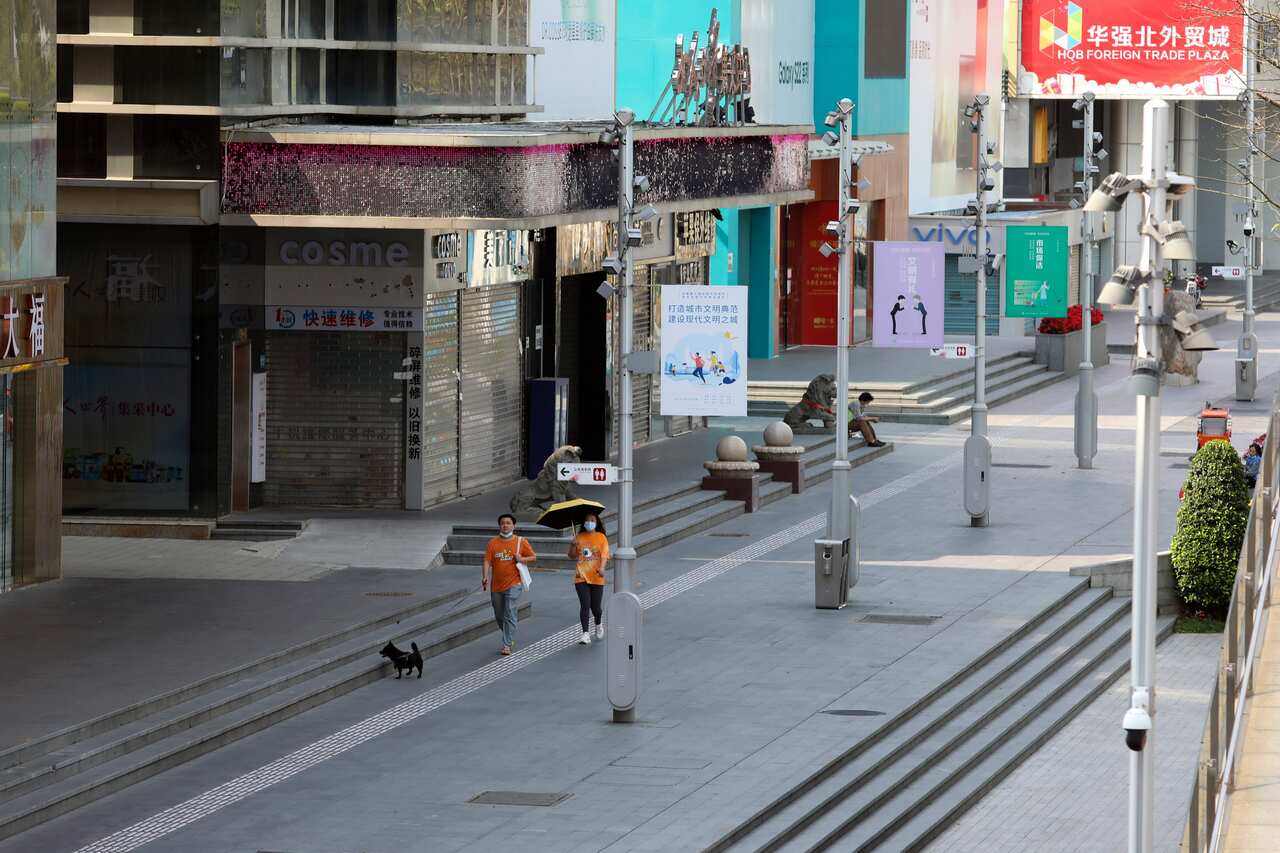
Various other cities including Shanghai have sealed off certain neighbourhoods and buildings, as authorities have sought to minimise disruption to daily life.
But health officials have warned tighter restrictions could be on the way.
Jilin's governor vowed to go all-out to "achieve community zero-Covid in a week" during an emergency meeting Monday night, state media reported.
Residents of Jilin, which is on the border with North Korea, were banned from travelling out of and around the province Monday.
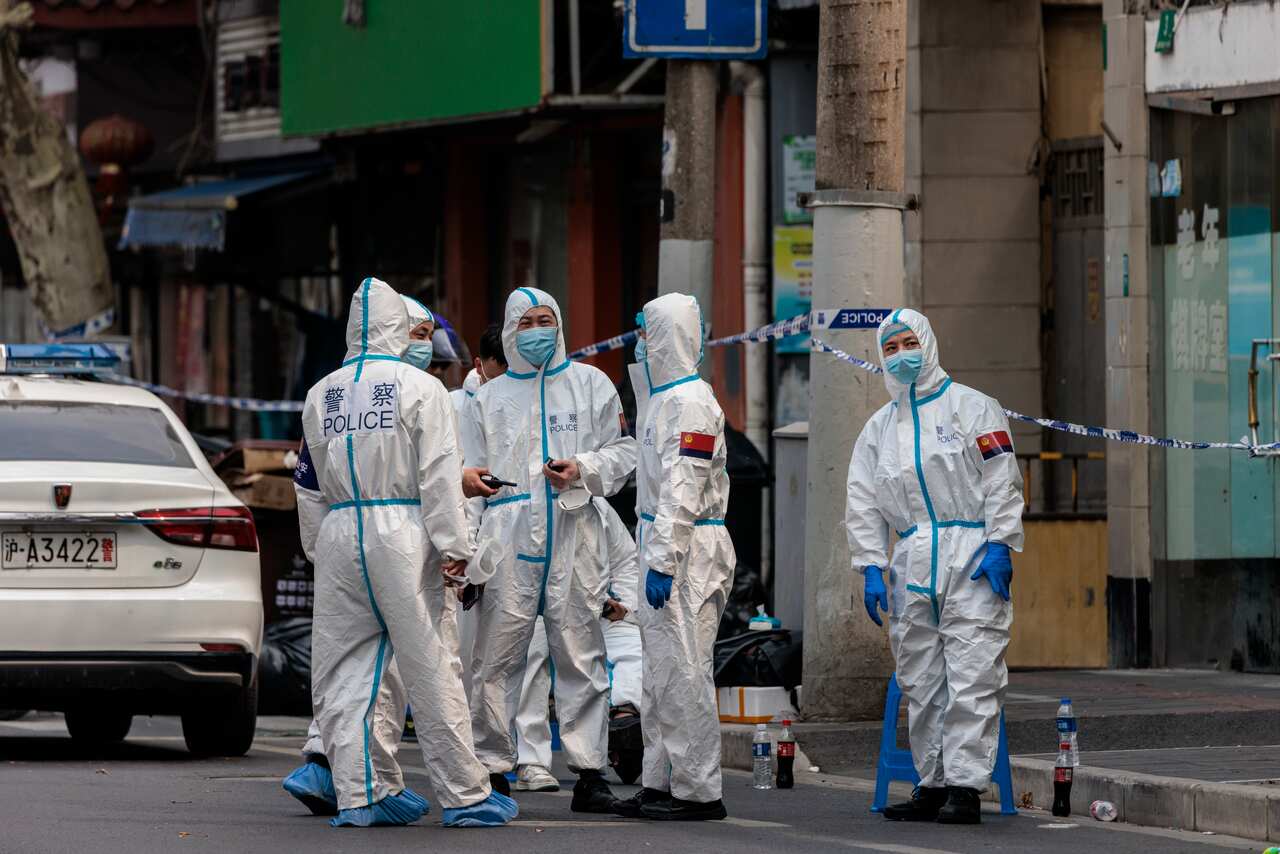
At least five cities in the province have been locked down since the beginning of March, including the major industrial base of Changchun, whose nine million residents were confined at home on Friday.
Health official Lei Zhenglong told state broadcaster CCTV that more than 10,000 domestic infections had been recorded in March so far across dozens of provinces, and warned the situation in many areas was "still developing".
While the caseload is low in global terms, it is deeply alarming in China where authorities have been unrelenting in squashing clusters since early 2020.
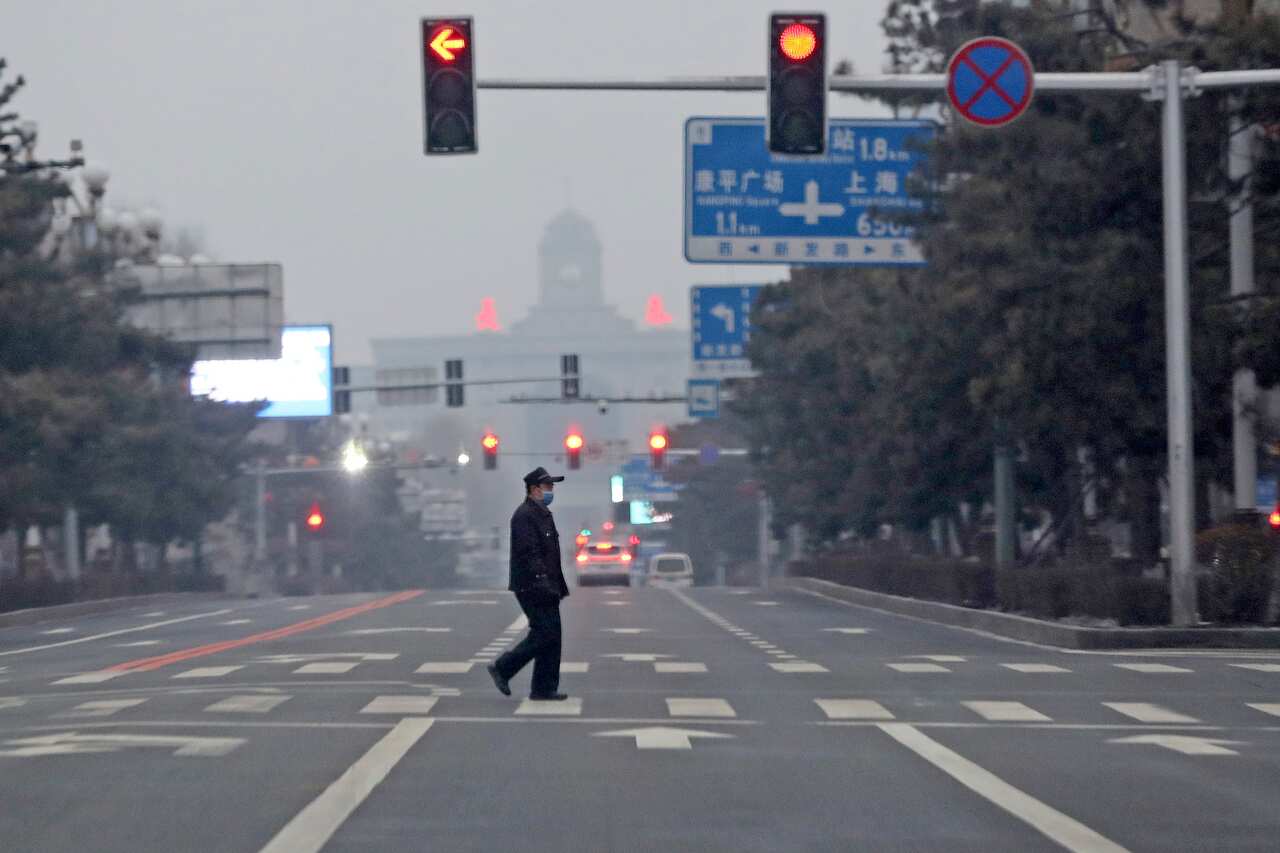
At least 26 officials in three provinces have been dismissed due to their handling of local outbreaks, state media reported.
China has so far managed to control sporadic domestic outbreaks through a combination of snap lockdowns, mass testing and travel restrictions, but the latest outbreak is testing the limits of its playbook.







