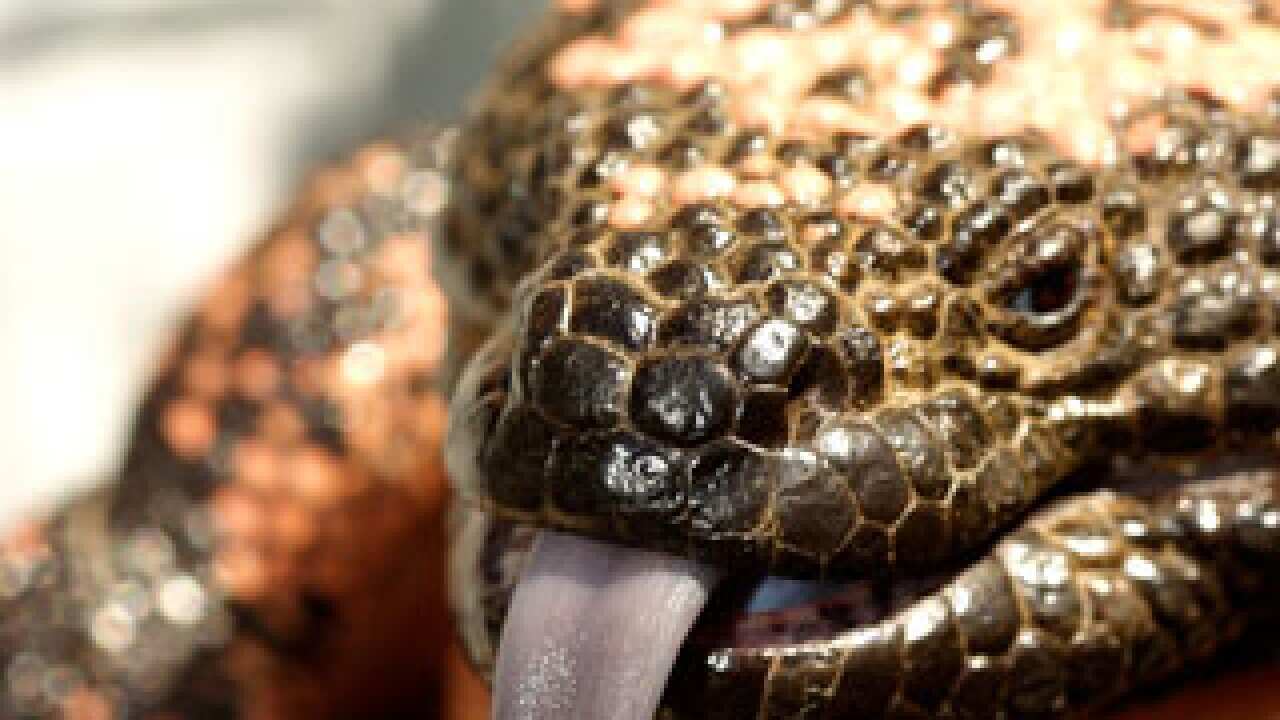
The snow skink has evolved in such a way that the mechanisms for determining individual sex was affected by where the lizards were living, researchers found.
At low altitudes, cool thermal conditions produced more males, and more females in warmer temperatures, report co-author Eric Wapstra said.
News that makes sense
Your trusted source for staying up-to-date with the world around you. Get free daily news updates and analysis, straight to your inbox.
"But what is so interesting about these skinks is that the populations have different sex-determining mechanisms at different altitudes, and therefore different climates," Dr Wapstra said.
"The results suggest that the systems that determine the sex of reptile offspring are adaptable and responsive to climate."
Dr Wapstra, an evolutionary biologist at the University of Tasmania, said climate change could have effects on sex
determination.
"One of the implications of our findings is that the results suggest that a warming climate will have different effects on population demographics," Dr Wapstra said.
"At lowland warm areas, a series of warm years, as predicted under directional climate change, may result in the over-production of daughters, resulting in a female-biased population."
"In the cold alpine areas, climate will not affect sex ratios."







