
Refugees should have a larger role in government policymaking, according to a gathering of local and international refugee experts.
Around 450 people have taken part in the Refugee Council of Australia's Refugee Alternatives Conference in Melbourne on Tuesday and Wednesday.
Leadership and policy change have been the main topics of discussion, with most attending the seminar having lived the refugee experience.
News that makes sense
Your trusted source for staying up-to-date with the world around you. Get free daily news updates and analysis, straight to your inbox.
Hazara and Sydney resident, refugee Najeeba Wazefadost told SBS News that untapped human resources already exist within Australia's refugee community to generate positive change.
"If you look around Australia we have a lot of refugees that are already contributing in different ways ... We have very big business holders who are refugees, we have teachers, we have case managers, we have doctors and nurses," Ms Wazefadost said.
"Those are good examples for the government to see and to allow more participation of refugees in decision-making."
Fellow attendee Apajok Biar, who is of South Sudanese heritage, said she believed Australia's young refugees should have a voice in tackling topical issues such as African crime.
"If refugee youth were given a seat at the table for decision-making practices ... I think it would provide a vast change in outcomes - because we have the lived experience, we (know) the challenges."
Several refugees in attendance shared their personal stories.
Muzafar Ali lives in Adelaide, after escaping a Taliban-controlled village in Afghanistan. While transiting to Australia four years ago, he established a school for refugees in Indonesia.
Mr Ali said he provided an education for 200 children and others while their refugee claims were being processed.
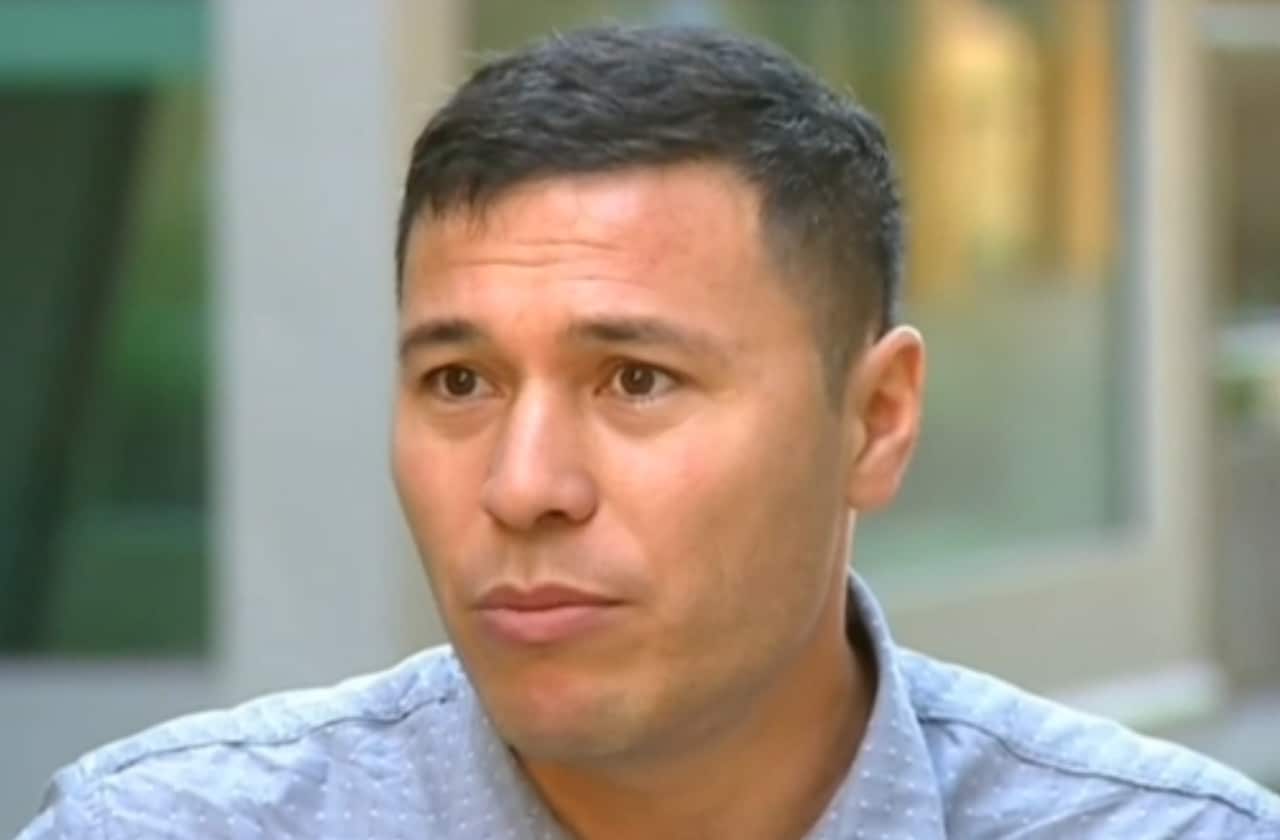
"We provide education for students as young as five years old and as old as a 53-year-old women who never went to school," he said.
"They are getting an education in transit."







