This audio is voiced by AI and may occasionally mispronounce words.
Share your feedback and help us improve this feature. Read more about how we use AI at SBS here.
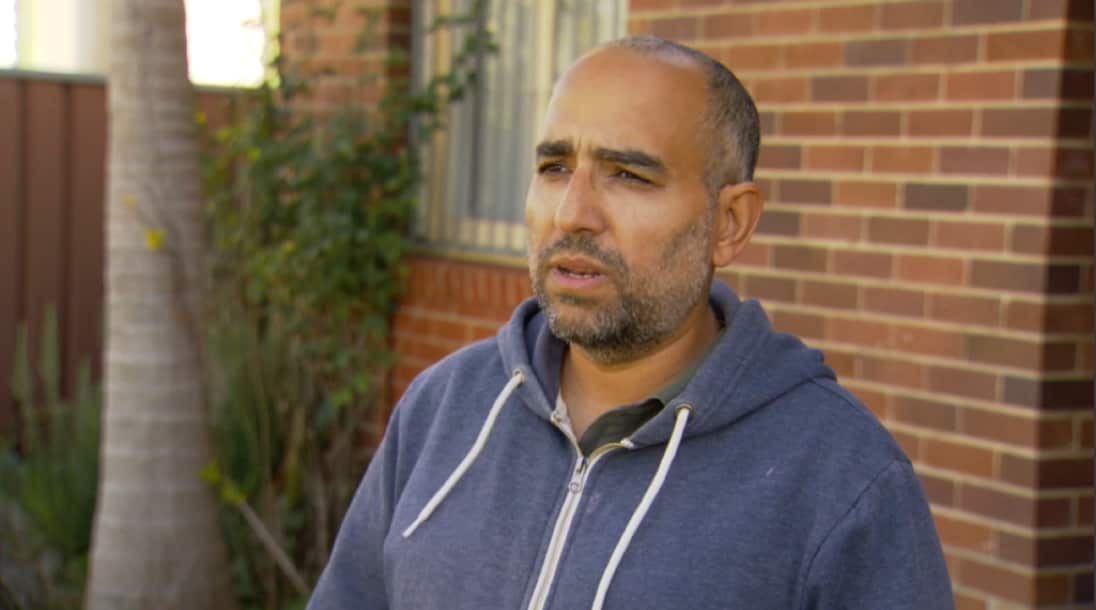
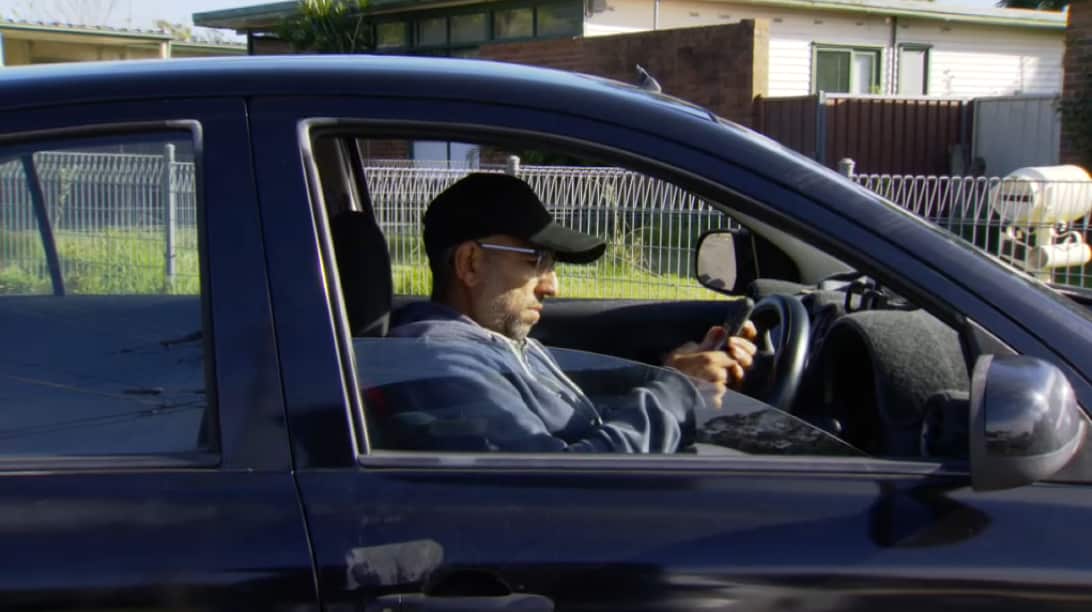
For years, Sydney food delivery driver Latif al-Haraz has carried a quiet hope between long shifts and mounting bills — that one day he would stand among millions of Muslims in Mecca and perform Hajj, the pilgrimage many describe as the spiritual journey of a lifetime.
But lately, that dream has begun to feel painfully distant.
The 46-year-old says by the time he finishes work each night, exhaustion has already set in.
Rising rent, electricity bills and daily expenses are swallowing most of what he earns, leaving little for the future, even for something as deeply meaningful as pilgrimage.
"I work from 8.30am to 10pm, seven days a week, yet I feel extremely exhausted. The house and electricity bills, in particular, put a lot of mental and physical stress on me," al-Haraz tells SBS Arabic.
News that makes sense
Your trusted source for staying up-to-date with the world around you. Get free daily news updates and analysis, straight to your inbox.
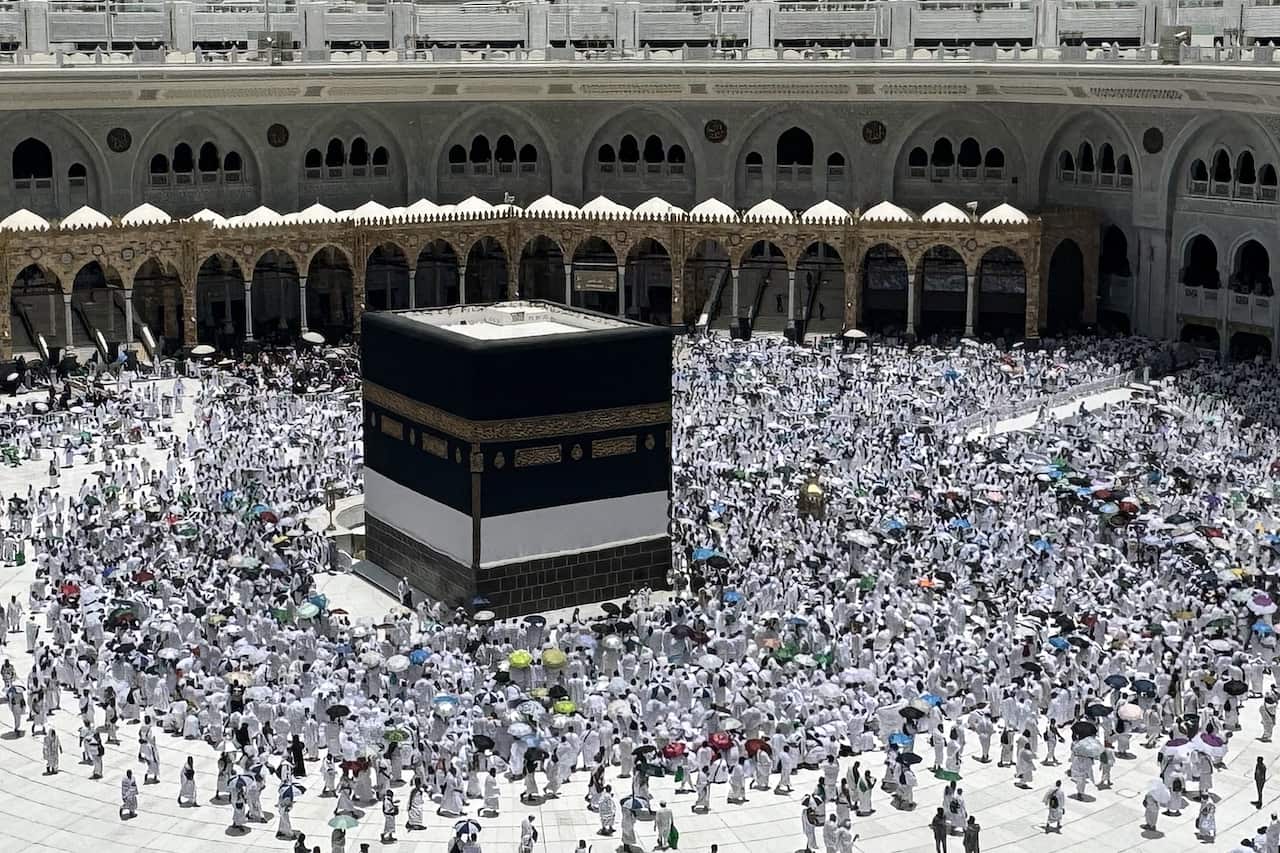
For Muslims, Hajj is far more than overseas travel. It is one of the five pillars of Islam — a religious obligation expected of every Muslim who is physically and financially able to undertake it at least once in their lifetime. Some Muslims make the journey more than once.
Performed annually during the Islamic month of Dhul Hijjah — the 12th and final month of the Islamic calendar — Hajj takes place over five to six days, starting on the eighth day of the month and ending on the twelfth or thirteenth day, depending on the sighting of the moon.
The pilgrimage draws millions to the holy city of Mecca in Saudi Arabia, where a series of rituals reflect and honour key moments and sacrifices in Islamic history and faith. This year, the first day of Hajj officially started on Monday.
Sheikh Salim Alwan, chair of Darulfatwa, the Islamic High Council of Australia, says the pilgrimage holds deep spiritual significance for Muslims around the world.
The Hajj is a blessed obligation from God almighty upon every capable Muslim once in a lifetime.
"This obligation has several advantages, and whoever performs it correctly will have a blessed Hajj," he tells SBS Arabic.
Authorities expect more than 1.5 million pilgrims to perform Hajj this year, according to the Australian government's Smartraveller Hajj advisory page.
For many families, preparing for Hajj can take years of saving, planning and sacrifice.
But across Australia, some Muslims say the journey is becoming increasingly unattainable as the cost of living crisis collides with soaring travel prices, currency fluctuations and a complex online booking system that some pilgrims say has added to the stress.
Rising costs and a changing system
The rising financial burden is forcing some families to postpone a pilgrimage they once hoped to complete sooner.
"Unfortunately, I would have loved to go on Hajj, which is a very important act of worship and a wish for every Muslim, but I will not be able to go this year, and I hope that I will be able to go next year," al-Haraz says.
The father of three says ordinary expenses now consume almost everything he earns.
It has become an astronomical sum for many, making it impossible to perform this act of worship, which is an urgent necessity.
The cost of Hajj packages from Australia has climbed sharply in recent years. Depending on accommodation, flights, and proximity to the holy sites, packages are understood to range from about $13,000 to $35,000 per person, according to registered travel advisory groups, with costs climbing even higher for families travelling together.
Approximately 1,500 to 2,000 Australian Muslims undertake the annual Hajj pilgrimage to Mecca. While Saudi Arabia's official quota system allocates Australia roughly 800 places based on its Muslim population ratio, additional places and unused allocations from other countries are often redistributed through global booking platforms, allowing more Australians to attend annually.
Community leaders say that despite expanded access, the rising financial burden of travel, accommodation and booking costs is making the pilgrimage difficult for many families to afford.
Sheikh Ibrahim El-Shafie, deputy chair of the Islamic High Council of Australia, says the pilgrimage was once more manageable for middle-income households.
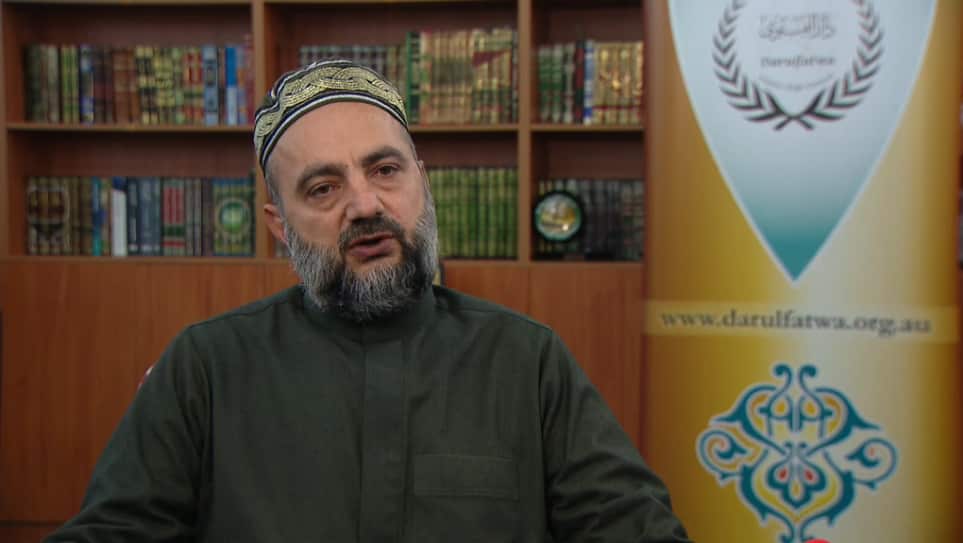
"You're talking about $14,000. [Now] that's considered an affordable package. But if one were to prefer the high-end package, it would be very expensive. Let us say to pay $20,000 or $30,000, for instance, or even more," El-Shafie tells SBS Arabic.
According to information on the Muslim Community Cooperative Australia (MCCA) website, an Islamic financial services provider, Australia previously operated under a decentralised Hajj model, in which community organisations and travel agents arranged pilgrimage tours independently, often tailoring packages and religious guidance to pilgrims.
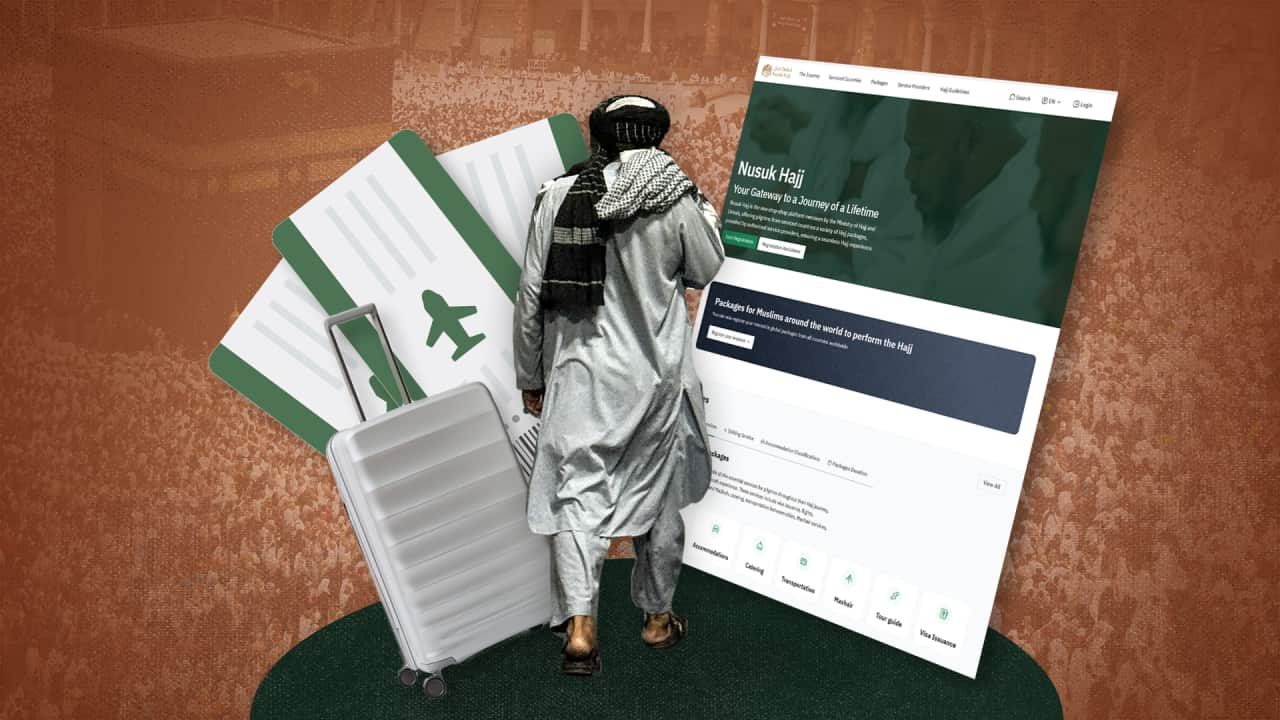
But after the COVID-19 pandemic, the Saudi Arabian government introduced Nusuk — a centralised digital platform designed to simplify bookings, reduce reliance on intermediaries and better manage the growing number of pilgrims attending Hajj and Umrah (a pilgrimage that can be undertaken at any time) each year.
Australia transitioned to the Nusuk system in 2023, joining other Muslim-minority countries, including the United States and the United Kingdom.
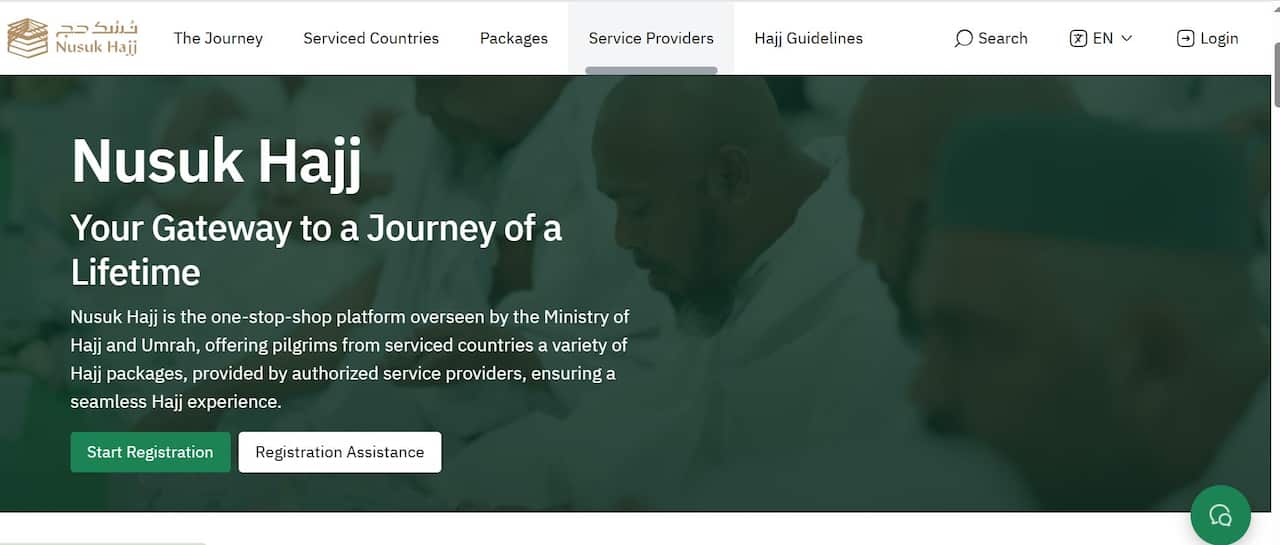
Via the platform, pilgrims can apply online, complete visa procedures electronically and book approved Hajj packages directly through authorised providers.
Saudi authorities say the reforms are aimed at improving organisation, streamlining services and modernising access to one of the world's largest annual religious gatherings.
But some Australian pilgrims say the transition has not been seamless.
MCCA says the early stages of the rollout created confusion for some travellers, with experienced Hajj organisers and guides initially excluded from the system and some pilgrims reporting logistical problems and communication difficulties. Some long-standing Hajj groups also resisted the move in its early phase, hoping Saudi authorities would reverse the changes.
While newer operators have since emerged and coordination has improved, some Australian pilgrims say the booking process remains financially and emotionally stressful.
"You pay the office in advance for this transfer. Sometimes you might encounter, for example, a request being rejected ... The money transfer process [involves conversion] from Australian dollars to US dollars and then to Saudi riyals. When you try to get a refund, sometimes you lose $1,000 in the transfer process," al-Haraz says.
Some travellers have also reported delays, technical issues and confusion during peak booking periods, while fluctuating exchange rates have further increased costs for Australians paying in foreign currencies.
Fewer Australians making the journey
Mudar al-Hilu, an Australian travel agent currently accompanying pilgrims in Saudi Arabia, says the number of Australians performing Hajj appears to have dropped significantly in recent years.
"There is a big difference between 2021, for example, and 2025-2026. It's a big difference, the numbers are almost half," he tells SBS Arabic.
There are no publicly available official figures for this year's pilgrimage intake yet, but before the pandemic, thousands of Australians travelled annually to Saudi Arabia for Hajj. Travel operators say participation has softened since COVID-19, amid rising costs and changes to the booking process.
Still, community leaders and travel groups say the decline cannot be explained by money alone. Some families delayed Hajj during the pandemic and are only now trying to return. Others remain cautious about international travel amid continuing instability across parts of the Middle East.
Industry operators also point to broader increases in operational expenses — from accommodation and transport to staffing and fuel costs — which are ultimately passed on to pilgrims.
A spiritual goal worth pursuing
For many Muslims, however, the desire to complete Hajj remains deeply emotional and enduring, even if they must now wait.
Some spend decades saving small amounts wherever possible. Others postpone renovations, holidays or major purchases to prioritise the pilgrimage.
Al-Hilu says that despite the growing financial pressures, many pilgrims continue to pursue what they see as a sacred lifelong calling.
"Despite all of this, you still have people who made it at the end of the day," he says.
And for people like al-Haraz, the hope has not disappeared — only been deferred. He speaks of Hajj not as a cancelled dream, but as a promise he hopes to fulfil one day.
This story has been produced in collaboration with SBS Arabic.
<hr></hr>For the latest from SBS News, download our app and subscribe to our newsletter.







