IN BRIEF
- More than 1700 people are thought to have died since the powerful quakes struck on Thursday, with more than 50,000 missing.
- Craig De Meillon has self-funded his rescue efforts to help those trapped beneath collapsed buildings.
Foreign Minister Penny Wong has confirmed at least seven Australians have been caught up in the devastating Venezuela earthquake, as a Gold Coast firefighter helping search for survivors described "frantic" scenes on the ground.
Speaking to ABC News Breakfast on Tuesday, Wong said those Australians who had been affected by the disaster were receiving consular assistance from the Department of Foreign Affairs and Trade.
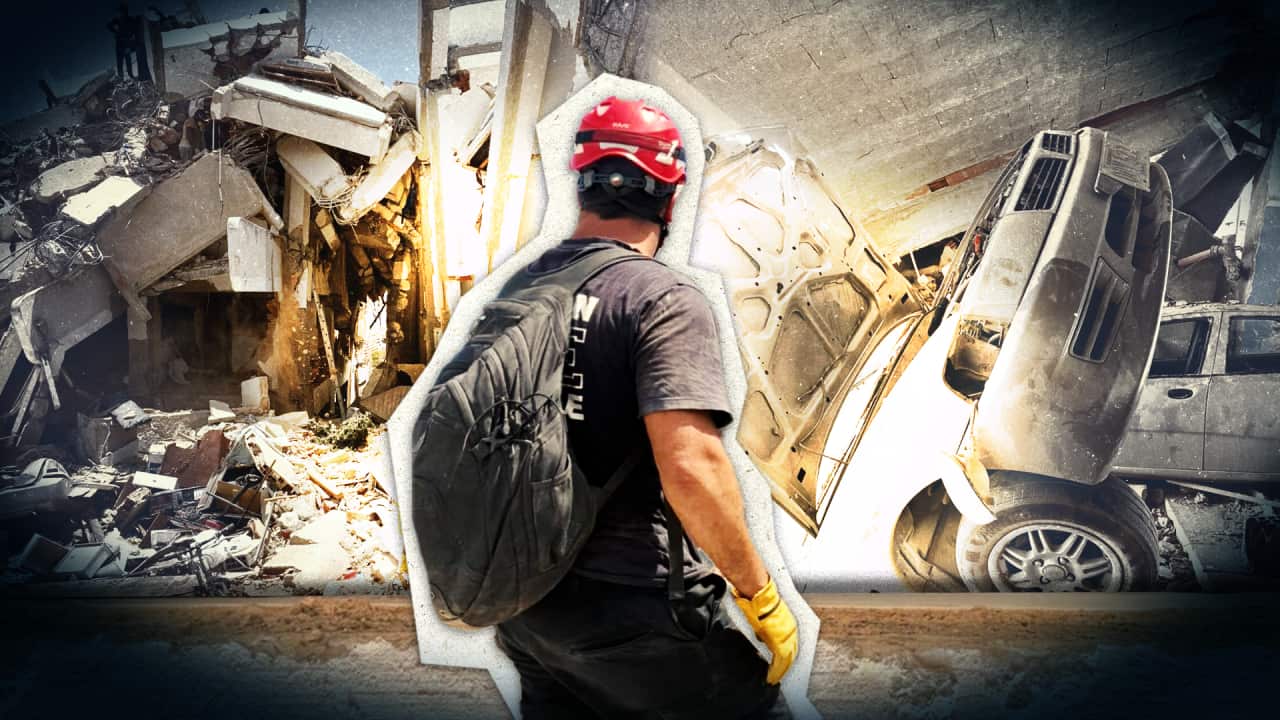
The disaster has prompted a major rescue operation, with local crews and international volunteers searching through collapsed buildings for survivors.
Among those helping is Craig De Meillon, a volunteer firefighter raised in Australia, who travelled to Venezuela after learning of the earthquakes.
Born in South Africa but growing up on the Gold Coast, De Meillon was getting ready to watch the Socceroos play Paraguay on Friday from his home in Miami, Florida, when he learned of the devastating earthquakes.
News that makes sense
Your trusted source for staying up-to-date with the world around you. Get free daily news updates and analysis, straight to your inbox.
He said he immediately messaged his boss, and arranged to travel to Venezuela and help with the rescue effort.
"I was like, 'Hey, is it cool if I take leave? Because I'm going to go do this whole save the world thing,'" De Meillon told SBS News over the phone from Caraballeda, the capital of the worst-affected La Guaira state.
The twin earthquakes that struck Venezuela on Thursday have killed at least 1,719 people, injured 5,034, and left 15,866 people homeless, according to Venezuelan authorities. Millions have been affected across the country as rescue crews continue searching for survivors.
For De Meillon, this will be his fourth earthquake disaster recovery.
"I'm kind of, like, special in the sense that I'll just get there sooner than most people can move," De Meillon said.
"I just kind of dropped everything and got on a flight."
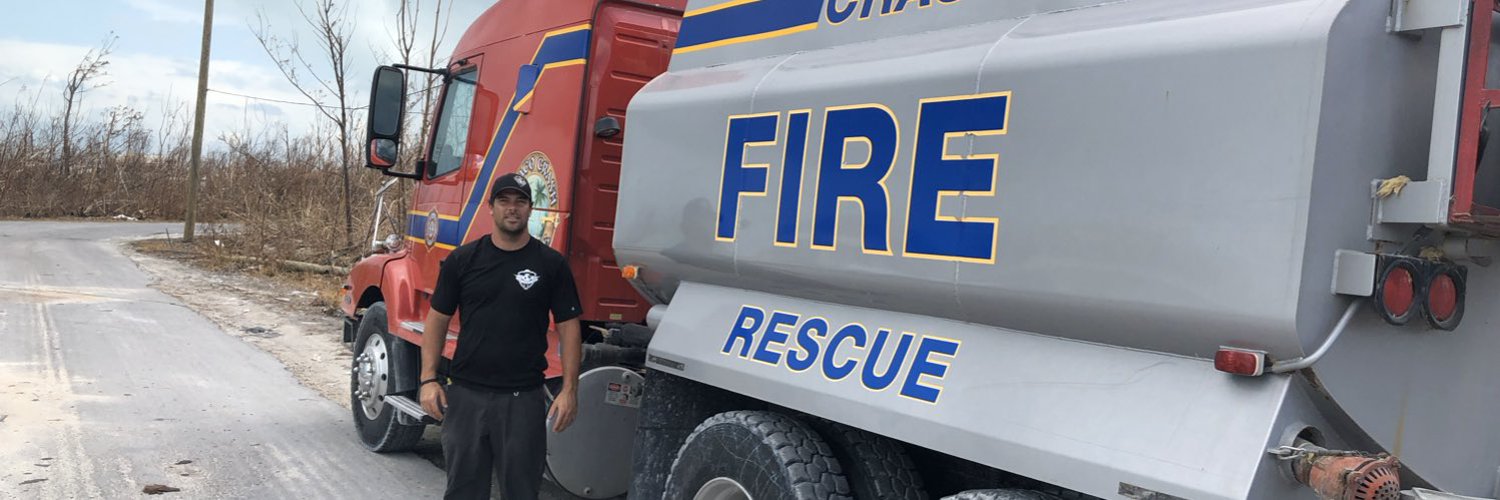
With no Spanish and no local contacts, De Meillon quickly found his decade of disaster relief experience in desperate need as the crucial 72-hour window for finding survivors under the rubble ticked by.
Having previously worked with NGOs to respond to earthquakes in Türkiye, Indonesia, and Nepal, De Meillon knew that operating independently with a team of other experienced volunteers would give him greater flexibility.
He also knows that "going rogue" and self-deploying is a "big no-no" in disaster response, but there was no time to wait.
"I'm formally trained, I've got a skill, it's being underused ... It worked out well, and we pulled a lot of people alive."
The recent political turmoil between the United States and Venezuela — during which the US seized long-time leader Nicolás Maduro in a stunning raid — has meant entry into the country is challenging for US citizens and, as a result, foreign aid workers seem thin on the ground, De Meillon said.
"As an Aussie, I can get in pretty swiftly."
The situation that awaited him is, in a word, "frantic".
The 43-year-old with a corporate day job described residential buildings thrown sideways by the 7.2- and 7.5-magnitude quakes, no electricity, no internet or mobile coverage, and very few basic services like running water and food. Thousands of people have become homeless overnight.
The Venezuelan government, led by interim president Delcy Rodríguez, has declared a national state of emergency and on Monday, said at least 5000 people have been injured, and more than 15,000 left homeless.
While the full scale of the damage after the two earthquakes remains unknown, a preliminary assessment by NASA estimated the earthquake damaged or destroyed 58,870 buildings.
In La Guaira, De Meillon described locals in sandals digging out rubble by hand, trying to reach loved ones they believe are trapped beneath the tonnes of concrete and twisted metal.
Using what little equipment he was able to carry into the country — including lights and, crucially, a micro camera attached to a flexible, telescopic pole — he's doing whatever he can to help.
"We use [the camera] and then the locals come and just dig frantically and we assist in the rescues."
Roving teams of local firefighters, police, medical services, as well as international experts from the United Kingdom, France, and elsewhere are going building to building, listening for survivors under the rubble, and advising as best they can, De Meillon said.
"The first night I was here, I was with a team," De Meillon said, "I had my camera, we were walking around, and everyone would stop us so we'd put the camera in, look around, and we located a person.
"I wasn't physically pulling the person out, but they dug a little, and whilst I was in one of the little holes to her right, they pulled out a girl ... I think she was about 13 years old.
"She came up through the ground like a mole, crawled her way up, and then was alive and made it out. It's great, that's what everyone's here for, to see those moments."
Venezuela's worst earthquake in more than a century hit after the oil-rich nation had endured more than a decade of economic collapse under stifling US sanctions. Hollowed-out public services, including hospitals, have collapsed both physically and functionally under the sudden strain.
The UN's migration agency has called on the international community to act swiftly to support the rescue response, stressing the scale of the "immediate and significant" need in Venezuela.
UNHCR Australia CEO Trudi Mitchell told SBS News that the country has experienced significant displacement in the 30 years the organisation has been operating there, something compounding the issues on the ground.
"What we're seeing, it's a crisis on top of a crisis," she said.
"Venezuela was already dealing with significant displacement and poverty before the earthquake struck, and for families caught up in this, particularly those who've been forced to flee their homes at some point, this is yet another devastating blow."
Rodríguez has thanked countries for the outpouring of aid Venezuela has received. Twenty-four nations have sent 521 tons of supplies, 86 units with dogs trained to locate people trapped beneath the rubble, and more than 2,700 search-and-rescue personnel, she said.
On Sunday, the badly hit Simón Bolívar International Airport was partially reopened, allowing the US military to land increasing numbers of aircraft carrying rescue personnel and supplies. US sailors and marines have also been able to land vessels at the port of La Guaira.
The current focus is on meeting the "immediate needs of shelter, water, and protection", Mitchell said, but soon the response will move into a recovery phase before rebuilding and repair can begin.
De Meillon won't be there for that. In fact, by Wednesday, he'll be back in the office, a little less leave banked up. But he isn't complaining.
"This is my personal time off," he said. "I took holiday to come to the disaster."
"I guess I'm a rare breed. I've slept outside in the same jocks and socks for three days, but it's all good. I feel very alive and connected when I do this stuff.
"I just do it because I can, and I think I do well."
The Department of Foreign Affairs and Trade's (DFAT) Smartraveller service has had a "do-not-travel" advisory in place for Venezuela for some time, citing "the dangerous security situation, the threat of violent crime, political and economic instability and risk of arbitrary detention".
It has updated that advice following the earthquakes and the state of emergency declaration.
"Be aware of your surroundings and monitor local media for updates. Follow the advice of local authorities and avoid affected areas," Smartraveller advised on Thursday.
"We continue to advise do not travel to Venezuela. The security situation is unpredictable. If you're in Venezuela, you should consider leaving if it's safe to do so."
For the latest from SBS News, download our app and subscribe to our newsletter.







