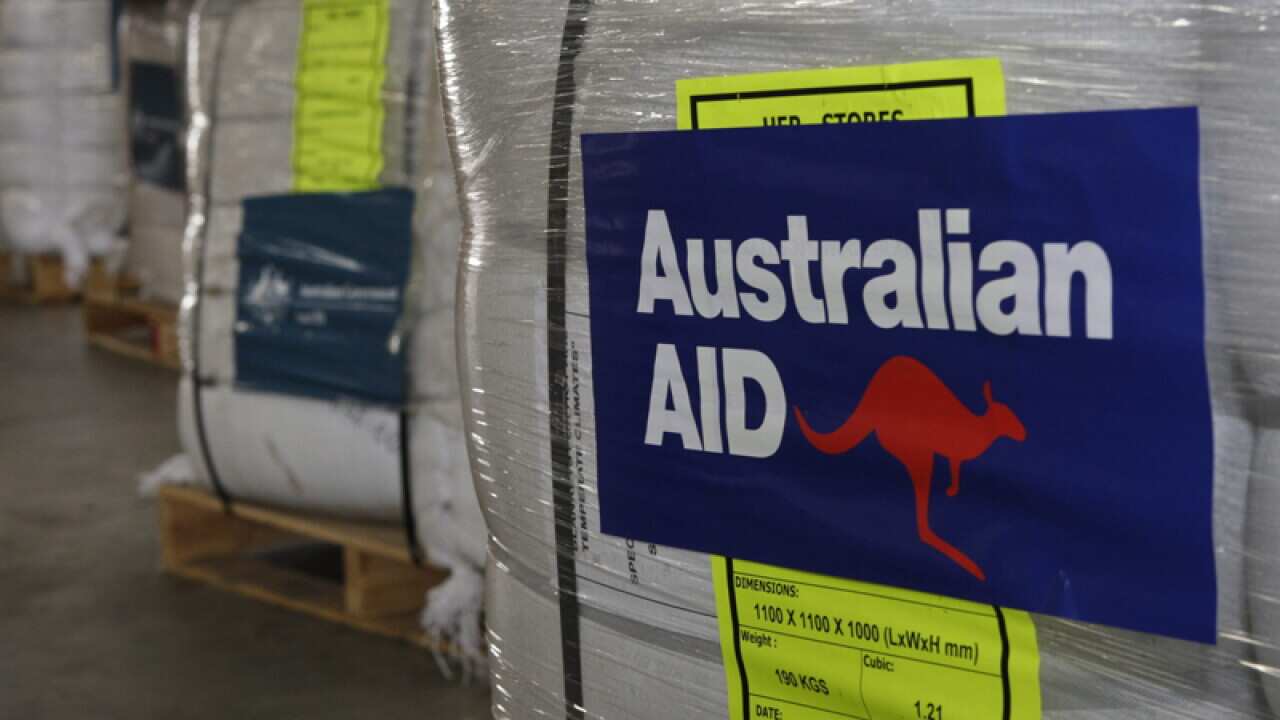
Cuts to aid commitments are at the heart of the coalition's foreign policy which also plans to review Australia's off-shore consular services within months if the party comes to power.
The coalition on Thursday released its foreign affairs plan, taking a swipe at the government for its mismanagement of diplomatic spending, including the budget for Australia's successful bid for a United Nations Security Council position.
"We are not satisfied with either the quality of governance of the program, nor the strategic priorities, which were skewed by Labor's campaign for the UN Security Council seat," the policy says.
The coalition cited an independent report that said Australia's Millennium Development goal to up-scale foreign aid spending to 0.5 per cent of gross national income (GNI) should be subject to fiscal "hurdles".
Labor has most recently promised Australia will reach the target by 2017/18, pushed back two years from its initial commitment.
News that makes sense
Your trusted source for staying up-to-date with the world around you. Get free daily news updates and analysis, straight to your inbox.
While remaining committed to the 0.5 per cent target, the coalition statement cited concern "about the rapid increase in foreign aid".
"It is not possible to commit to a date, given the current state of the federal budget after six years of Labor debt and deficit."
A coalition would instead index future increases to the consumer price index, saving $4.5 billion.
The move attracted criticism from welfare groups including Unicef, which said the measures "are at the expense of children's lives".
"This decision has wiped out a generation of youth idealism, and broken the hearts of Australians who dare to care about people beyond our borders," World Vision Australia chief executive Tim Costello said in a statement.
The coalition policy also plans a review of diplomatic resources by the Department of Foreign Affairs and Trade, to report back within six months.
Hinting at cutbacks to Australia's off-shore consular services, the review aims to "ensure Australia's global diplomatic network is consistent with our interests".
The policy highlights the importance of Australia's relations with its regional neighbours and acknowledges the largest recipient of the country's aid, Papua New Guinea, which "will remain a particular priority".
The coalition names Australia's "key partners" as the US, Indonesia, Japan, China and India.
It also champions the New Colombo Plan, which encourages young Australians to take up study opportunities in Asia and thus build stronger links with the region.







