In Brief
- New federal government rules will ban future data centres from being built near homes and schools.
- But residents living alongside them say they've been left out and feel powerless.
When Sean Brown moved to West Footscray two years ago, days after his son was born, he thought he'd found a good spot to raise a family — green space, a train station nearby, and a community with room to grow.
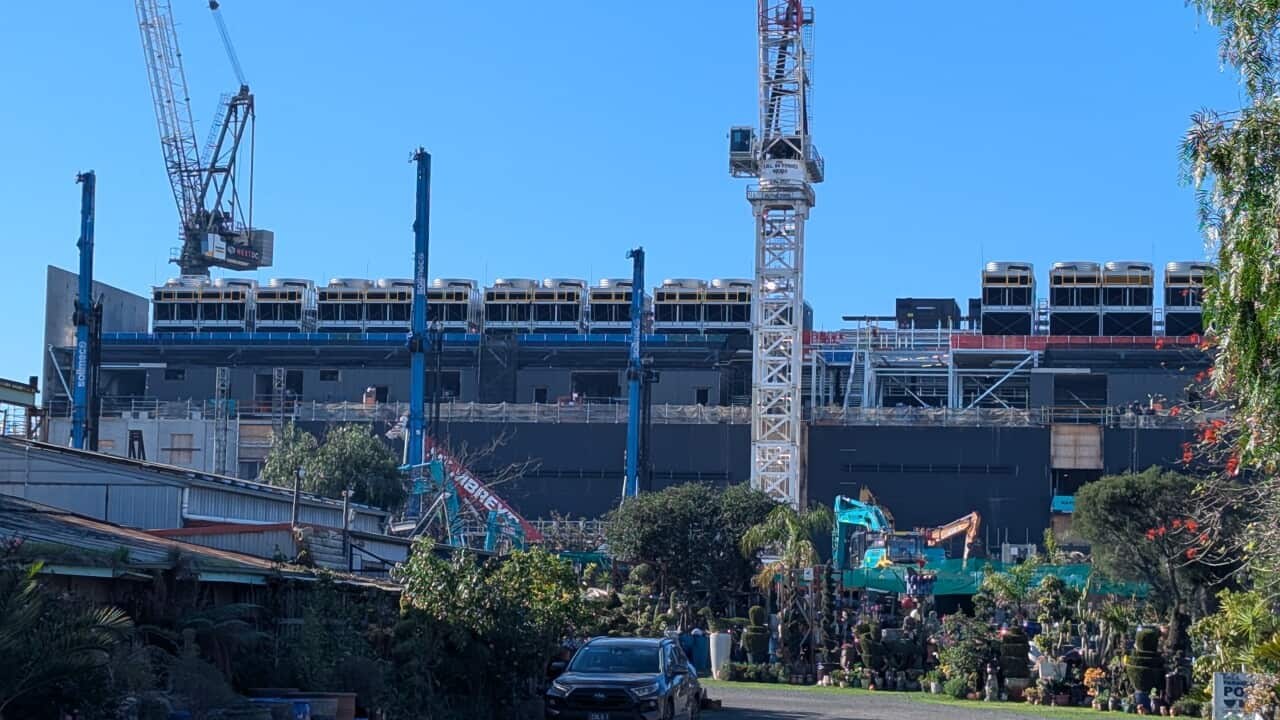
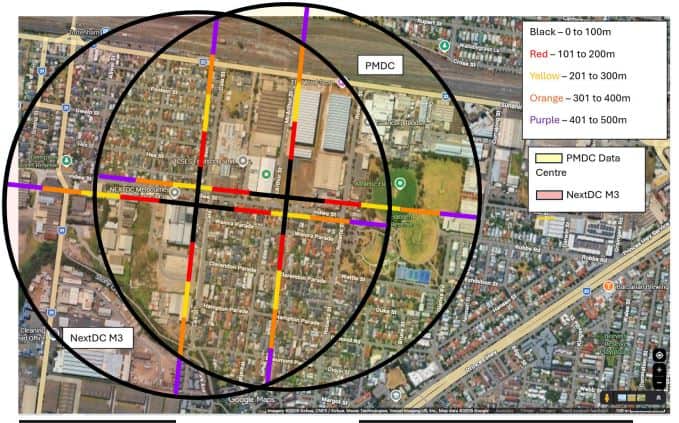
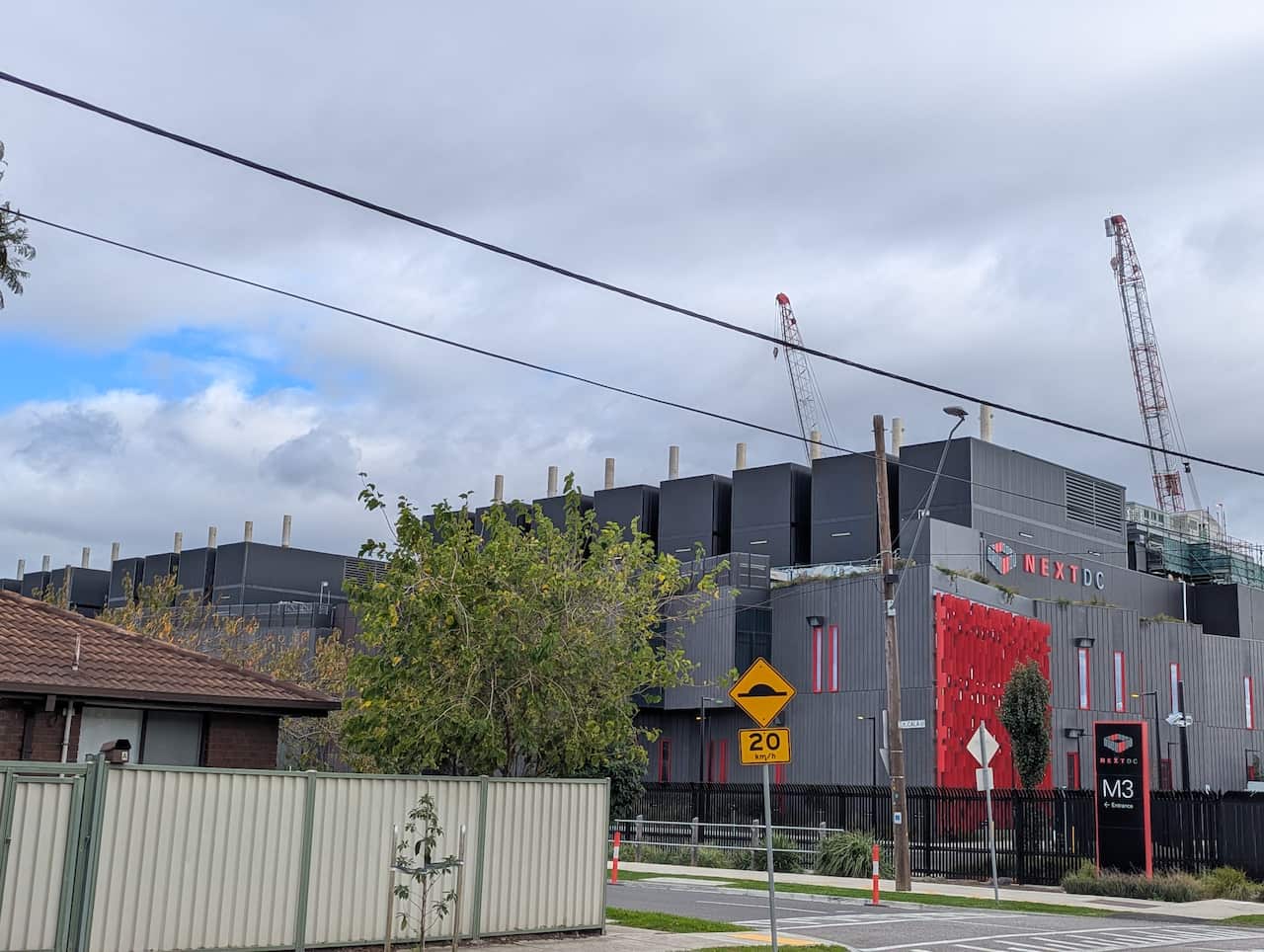
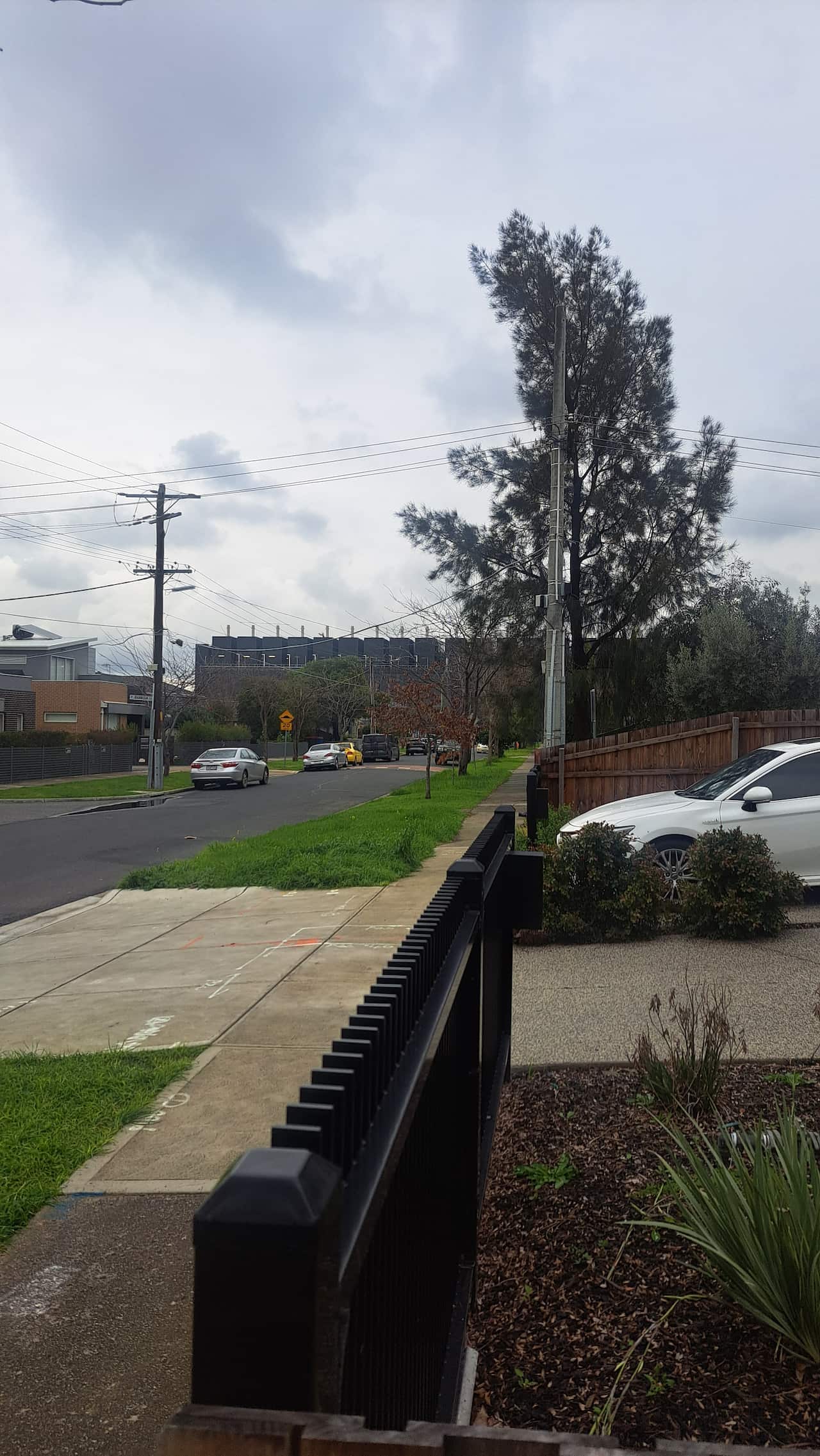
Instead, his home is now 300 metres from one of the largest data centres in the country.
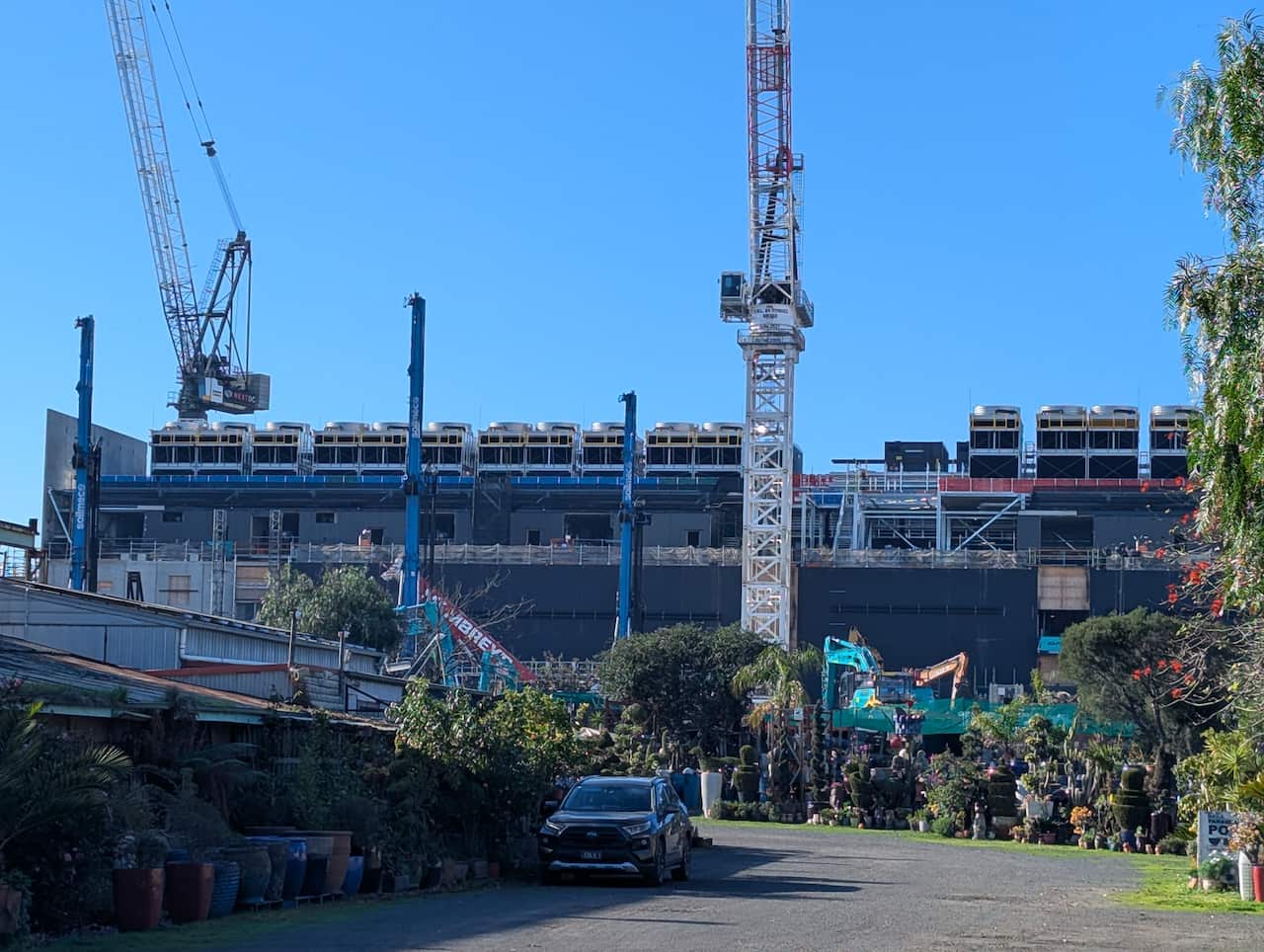
"It's a massive black box in the middle of a residential area. There's this visual heaviness to it that you can't really escape," Brown told SBS News.
NextDC's M3 facility in the Melbourne suburb brings a constant humming noise audible even 100m away, he said, while ongoing construction means near-constant light, noise and disruption.
Parking is scarce with facility workers competing for street spots, and Brown said whole streets have lost power for full days at a time during infrastructure works, with little warning and no compensation. He's also worried about health risks, and the future of his entire suburb.
News that makes sense
Your trusted source for staying up-to-date with the world around you. Get free daily news updates and analysis, straight to your inbox.
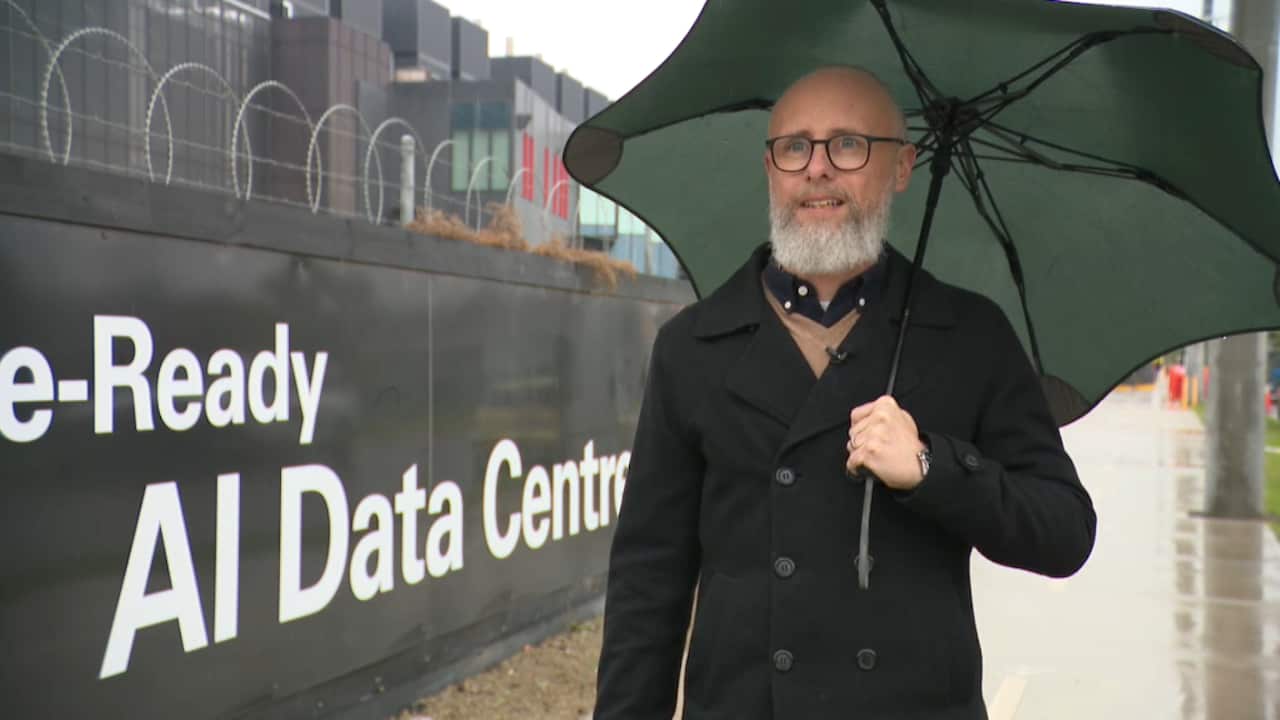
Branded by its chief executive, Craig Scroggie, as "Australia's largest hyperscale AI factory", the M3 site is set to double in size by 2027 — covering 10 hectares in size, and drawing 225MW of power, 24 hours a day.
A separate facility, the Perri Melbourne Data Centre (PMDC), has been approved and planned just a few blocks over.
There are currently 162 operational data centres across Australia, with a further 90 proposed, according to the Climate Council — and it's unclear whether planned rules to data centres in residential areas will apply to any of them.
Government crackdown on new data centres
Prime Minister Anthony Albanese used a speech to the Business Council of Australia's annual dinner on Tuesday night to announce new national rules that would block future data centres from being built near homes, schools, or prime agricultural land.
Developers will also be required to add more renewable energy to the grid than their data centres consume, minimise water use, and ensure new sites are appropriate for their size — avoiding land that could otherwise be used for housing.
"Australia is in a strong position to attract investment in data centres, but maintaining social licence will be essential," Albanese said.
"That means ensuring energy bills do not rise, water security is maintained and locations are appropriate."
Asked about communities already living with data centres, Albanese did not directly answer when pressed on ABC Perth on Tuesday, instead pointing to the same social licence framework.
Asked by SBS News whether any measures would target existing sites or address community concern that the new rules don't cover people already affected, the prime minister's office declined to comment.
A big gap
While Brown welcomes the changes in principle, he said they don't reach the people already living with the consequences.
"If it doesn't fix the problems that have been caused in West Footscray, what's the point of it?" Brown said. "This community's just been completely sold down the river if we're not looked after. Why do our children continue to bear this risk?"
He's sceptical that the sites would have been approved under the new government frameworks and said it needs to expand to existing data centres, not just the new ones.
"If areas where they've already been inappropriately built are just left to fend for themselves, how is that fair at all?"
Associate Professor Dr Ehsan Noroozinejad, a researcher at the Urban Transformations Research Centre at Western Sydney University, welcomed the government's changes but said a clear gap remained.
"The proposed rules mainly shape future development, so they do not automatically resolve concerns around existing facilities," he told SBS News.
"Communities already living near data centres need clear standards for noise, water use, backup generators, traffic and energy impacts, backed by transparent monitoring."
Noroozinejad said Australia still needs data centres, but problems arise when they aren't put in the right places with the right infrastructure.
"It's important not to assume every data centre creates the same problems," he said. "The real issue is performance, location, and whether costs are shifted onto the surrounding community."
Dr Michael Vardon, from the Fenner School of Environment and Society at Australian National University, said the deeper problem is procedural: communities have almost no input before a facility is approved.
"This is about where new facilities go, and setback rules do not apply retrospectively," Vardon told SBS News.
"The approval comes first, the community finds out afterwards, and by then the only remaining policy lever is the operating conditions."
Olivia Shen, director of the strategic technologies program with the United States Studies Centre at the University of Sydney, said a key provision of the changes will be whether they apply to both expansion of existing data centres as well as new projects.
"Many data centres have operated in Australia for decades, often without the surrounding community even realising they are there," Shen told SBS News. "However, if existing data centres are allowed to expand to a point where they encroach on homes, schools and agricultural land, then this becomes a bit of a policy loophole."
'We feel really powerless'
Another West Footscray resident, Kendal Coombs, bought a house four years ago about 200 metres from the M3 site, when the block was still vacant.
She said she was initially told by council that the site was going to be a "business park", but realised a few months after moving in that it was a data centre — which was initially not a concern until its rapid expansion.
"We're all angry and concerned but it's hard to know what to do, we feel really powerless," she said.
"These projects destroy communities. If they're making these determinations [that future data centres can't be built near homes or schools] because it is too unsafe or too much of a risk to our health to live near them, then they need to pay reparations to the residents affected."
Brown said the centres have made it harder to sell up and leave.
"There's a lot of people here who are really angry about what impact this is going to have on their house prices — because I sure as hell wouldn't live near a data centre," he said. "I wouldn't buy this house."
He's pushing for compensation: voluntary housing buybacks at competitive market rates for those who no longer want to live there, relocation costs covered for owners and renters alike, and payment for disruption already endured.
NextDC has not responded to these proposals, Brown says, adding government intervention is needed.
Both Noroozinejad and Vardon say more transparency and reporting is needed for existing data centres in neighbourhoods — particularly information around water and energy use, noise, independent monitoring, and a complaints register.
Practical measures such as acoustic upgrades, landscaping, traffic management and limits on backup-generator testing can also help, Noroozinejad said.
But for Brown, it might be too late.
"They've just killed this area now," he said. "We're witnessing the death of a suburb."
NextDC declined to comment.
For the latest from SBS News, download our app and subscribe to our newsletter.







