In Brief
- Australia has recorded its first case of H5N1 avian influenza.
- Samples are being tested for another suspected case found nearby.
For years, as cases of the deadly H5 strain of bird influenza wreaked havoc among animal populations across the globe, Australia had been the sole continent to avoid it successfully — until now.
On Saturday, the first positive case of the virus on the Australian mainland was confirmed.
Agriculture minister Julie Collins confirmed at a press conference in Canberra that the H5 bird flu was detected in a migratory bird in Western Australia.
Prime Minister Anthony Albanese said Australia will do all it can to curb any spread of H5N1 bird flu.
"This is concerning," Albanese told reporters in Sydney.
News that makes sense
Your trusted source for staying up-to-date with the world around you. Get free daily news updates and analysis, straight to your inbox.
"There's no evidence of any mass mortalities, and there's no evidence that it's in our poultry or agriculture system at this stage," Collins added.
In its efforts to tackle previous bird-flu outbreaks, Australia has tightened biosecurity measures at farms, tested shore birds for disease, vaccinated vulnerable species, and war-gamed response plans for an H5N1 outbreak.
What do we know about the positive case?
A single migratory wild seabird potentially infected with the disease was found in Western Australia on 14 June.
Before the suspected positive case was confirmed, Collins said on Friday that it would be "not unexpected" to discover.
"This will be sobering, but not unexpected given the spread globally," she said.
The bird was a brown skua — a sub-Antarctic species — that was found on a remote beach at the Cape Le Grand National Park near Esperance, about 700km southeast of Perth.
WA Agriculture and Food Minister Jackie Jarvis said the bird was isolated after it was discovered in an unwell state on Sunday and died that night.
"I'm told it is not normal for them to be on the south coast of Western Australia," Jarvis said.
"But I am also told it's not uncommon if a bird is sick to actually be sort of blown off course, as it were."
Initial tests were confirmed overnight by the CSIRO's Australian Centre for Disease Preparedness.
A giant petrel, another sick bird found in the same area, also tested positive.
Senior lecturer at the Institute for Marine and Antarctic Studies at the University of Tasmania, Dr Jane Younger, said the species infected with the virus could give clues to its origin.
"The species involved are important," she said, noting that they are Southern Ocean and sub-Antarctic birds.
This suggests that the virus "probably reached mainland Australia through Southern Ocean wildlife movements, rather than through the northern hemisphere route we have been watching closely," Younger explained.
But, she says, genetic analysis was still essential to identify the virus' origin and whether it was linked to current outbreaks across the Southern Ocean.
What is H5 bird flu?
Commonly known as bird flu, avian influenza is a contagious virus that predominantly affects bird species but can infect other animals, including humans.
The highly pathogenic H5N1 strain was first discovered more than 20 years ago.
In birds, including poultry, seabirds, and dense wild-bird colonies, H5 viruses can spread rapidly and cause severe disease, neurological defects, and sudden death.
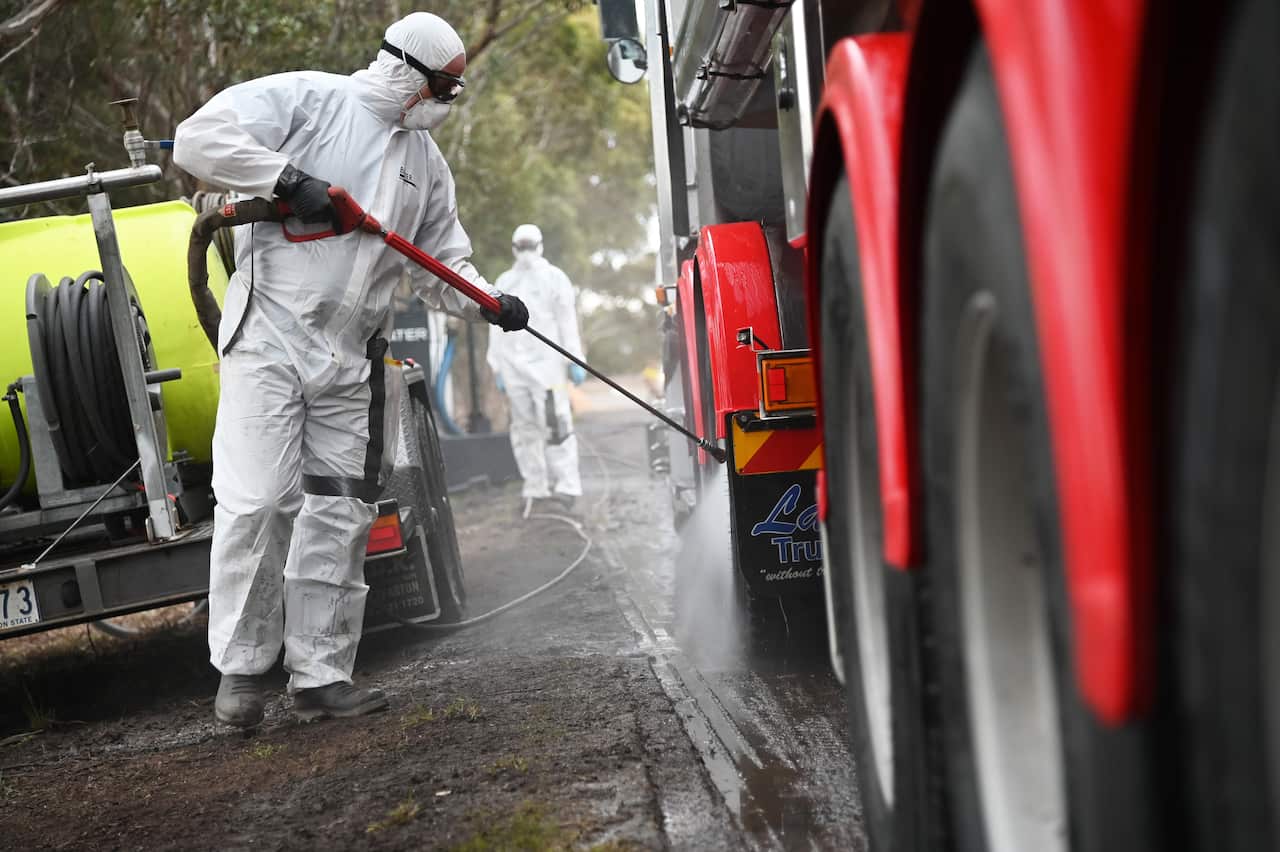
If infected poultry are not culled, the virus can rapidly spread across farms.
Since it was first detected in the United States in early 2022, more than 200 million domesticated birds — primarily egg-laying hens — have been killed to prevent the spread, according to the American Veterinary Medical Association.
Australia has had previous outbreaks of avian influenza in poultry, but historically these have involved other strains, mainly H7 viruses, rather than the globally-dominant H5N1 lineage.
The country’s first reported human H5N1 case in 2024 was travel-associated, in a child who likely acquired the infection overseas and later recovered.
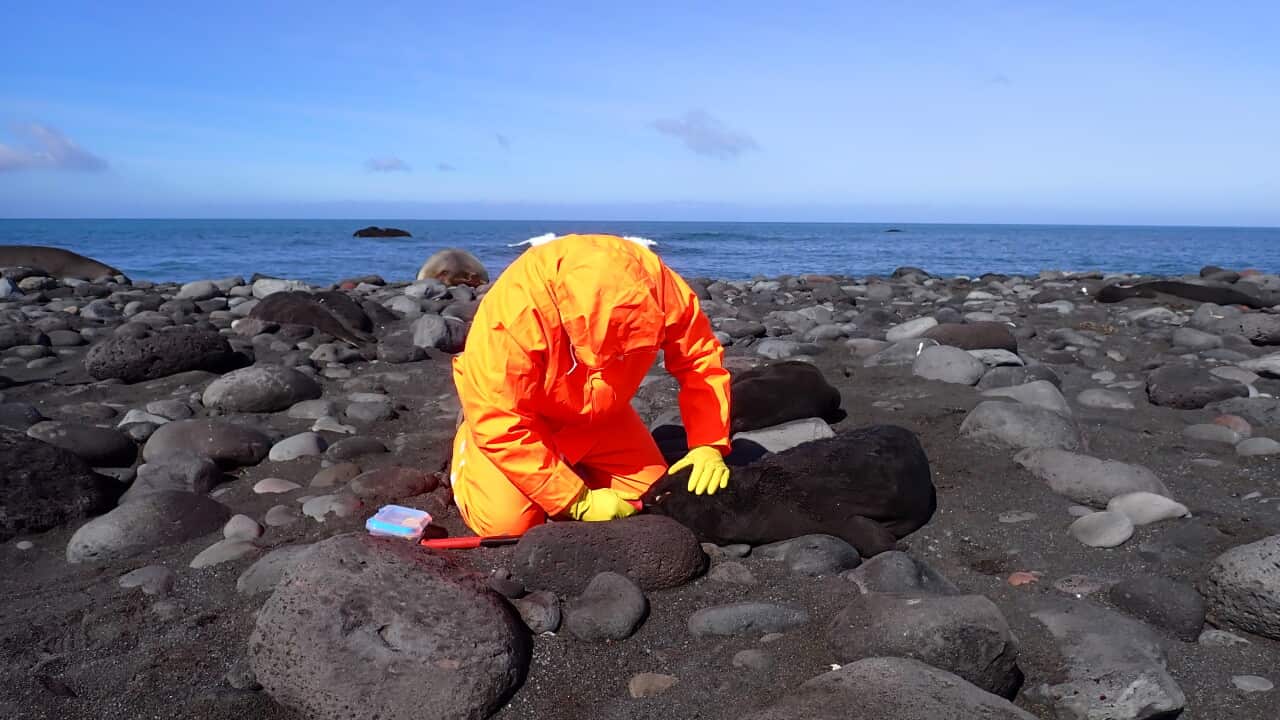
More recently, H5 bird flu was confirmed in wildlife on Heard Island, a remote sub-Antarctic external territory of Australia. Researchers believe the strain has killed tens of thousands of elephant seal cubs.
What are the consequences of a bird flu outbreak?
While the latest report on the H5N1 bird flu strain found the global public health risk is low, outbreaks among animals have had devastating consequences.
A joint bird flu public health assessment from several United Nations' agencies last year found Europe had more than 3,200 H5 cases reported across 28 countries — a ten-fold increase compared to the same period in 2024.
The highly contagious virus has decimated poultry stocks globally, and scientists fear its impact on native wildlife species in Australia.
Dr Michelle Wille, a senior research fellow from the Centre for Pathogen Genomics at the University of Melbourne, said everywhere this virus has gone, "mass mortality events" in wildlife follow.

"In some places, we've seen species-level reductions in population, so really massive consequences for wildlife," she says.
Associate Professor Wayne Boardman of the School of Animal and Veterinary Sciences at Adelaide University said the case poses a "huge risk" to Australia's native fauna, including endangered shorebirds, coastal raptors, and endangered Australian sea lions.
"Furthermore, we don’t have much of an idea how it might affect our unique marsupial populations, particularly scavengers like Tasmanian devils," he said.
Can humans be infected?
Humans can be infected with bird flu by direct contact with sick animals. Most human contractions around the world have been among agricultural workers who handle bird populations.
"Generally, these human cases are people who work with infected poultry, so poultry workers, or in the US, in particular, people who work in the dairy industry and are exposed to infected cattle," Wille says.
There is no evidence of human-to-human transmission.

The WHO says human infections of avian influenza can cause mild, flu-like symptoms or conjunctivitis to severe, acute respiratory disease and death. Gastrointestinal and neurological symptoms have also been reported infrequently.
Disease severity depends upon many factors, including which flu virus it is and the nature of exposure.
The reported fatality rate for humans infected with H5 and H7N9 viruses is higher than that of seasonal influenza.
What can you do?
As the last continent to record the virus, Australia has had years to prepare for its arrival.
Wille says Australia's Highly Pathogenic Avian Influenza Preparedness Taskforce, made up of representatives from agriculture, environment, and human health, is one way the country is prepared to handle a potential outbreak.
"They've been looking at Australia's weaknesses and trying to build resilience into wildlife," she said.
Labor announced on Thursday it would deliver an additional $11.2 million to ramp up efforts to prepare Australia's most at-risk native species for a potential outbreak of H5 avian influenza.
Ongoing surveillance by Wildlife Health Australia will also play a critical role in the early detection of avian influenza in wild birds.
Wille says while the risks to the general population remain low, members of the public should report any sightings of sick or dead wild birds or marine mammals.
"It is very important that this is reported. Call the emergency animal disease hotline, 1800675888. It works in every state and territory in Australia."
Wille urged the public not to touch any dead wildlife, "but definitely have a look and take some notes about what it is".
"The reporting is the really critical part".
Note: A previous version of this article said more than 2 million chickens had been culled in the United States since the virus was detected in 2022. This has been corrected.
For the latest from SBS News, download our app and subscribe to our newsletter.







