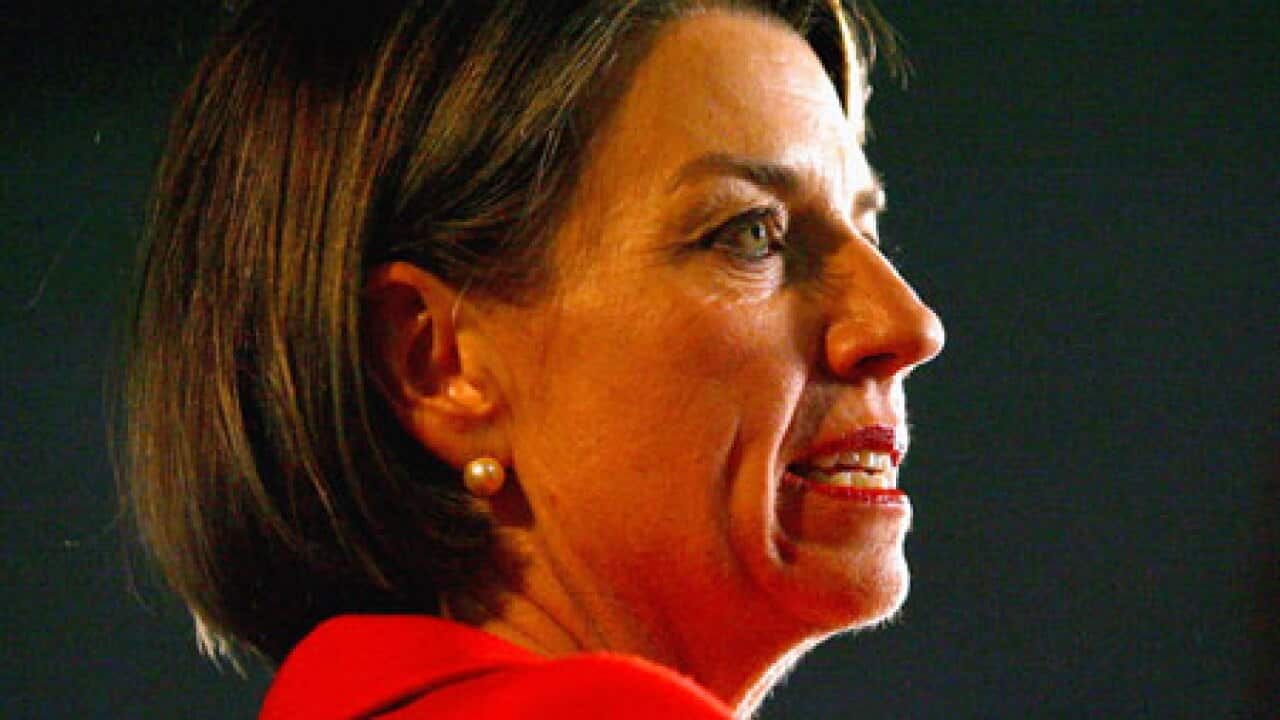
Mr Fraser, who's ruled out challenging for the premier's job, says he thinks Ms Bligh can win despite what the opposition has called an abysmal showing in the latest Newspoll.
The poll, published in The Australian, puts Labor's primary vote at 29 per cent - a sharp drop on the party's primary vote of more than 42 per cent at the election in March last year.
News that makes sense
Your trusted source for staying up-to-date with the world around you. Get free daily news updates and analysis, straight to your inbox.
The primary vote for the Liberal National Party (LNP) was 44 per cent, up from 41.6 per cent.
In the preferred premier stakes, Ms Bligh is also behind, 34 per cent to Opposition Leader John-Paul Langbroek's 42 per cent.
Mr Fraser on Thursday said Ms Bligh's job was safe and the poll result was no ringing endorsement for the opposition.
He said the government expected more bad polls as it copped a backlash over its asset sales.
"We're a government not behoven to slavish addictive polls, but we are addicted to doing the right thing by the long-term interests of Queenslanders," he told ABC Radio.
"That happens to be politically tough and there's no doubt we're losing political bark over the decisions we've taken."
Mr Fraser said the LNP had only picked up a fraction of the vote and the poll showed Mr Langbroek had a net negative dissatisfaction rating.
"This poll is not a ringing endorsement of the LNP," he said, warning them not to think they "can just slip and slide and sneak into power" and saying they'd need to develop credible policies.
"Anna Bligh will lead the party to the next election," Mr Fraser said.
"I do think the government can win the next election.
"(But) I think we're in a tough spot at the moment to state the obvious."
Ms Bligh has offered to quit if she becomes a liability and earlier this week said she expected to be on the nose with voters for some time to come.
She also admitted she could have done a better sell job on her unpopular plans to privatise state assets, but insists the sales are critical for Queensland's economic future.







