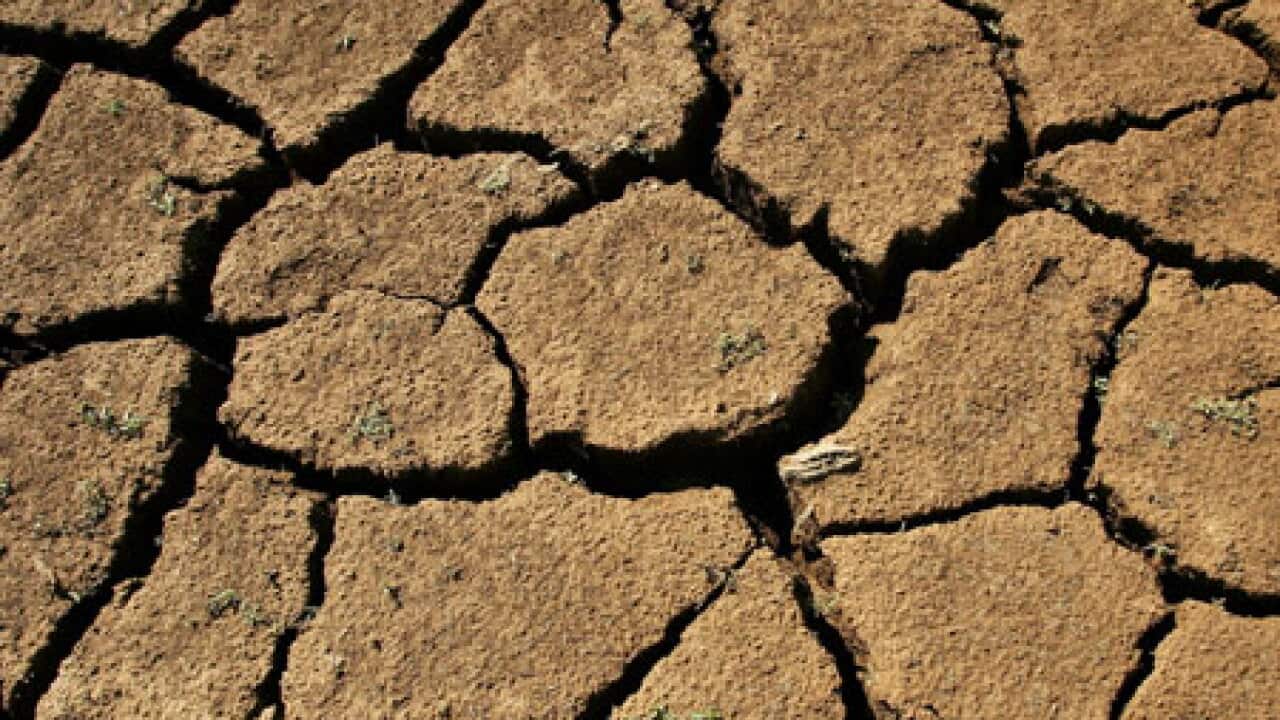
Heavy summer rains across the east of the country have crowned the last year with a title that's become rare: rainfall was not below average.
The current drought started back in 1997.
It has been tough for farmers, and forced parched cities to plan for desalination plants and the recycling of wastewater.
News that makes sense
Your trusted source for staying up-to-date with the world around you. Get free daily news updates and analysis, straight to your inbox.
The Bureau of Meteorology's latest drought statement, issued yesterday, found that for the 11 months to the end of February, most of the country escaped rainfall deficiencies.
Some areas had very much above average rainfall.
"Widespread above-average rainfall across eastern Australia during summer 2009-2010, especially in February, has eased short-term deficiencies across most of eastern Australia," the statement said.
Parts of Western Australia were the exception, posting a very dry year. The wet year has not ended the drought.
The Bureau's statement noted that very long-term rainfall deficiencies persist across parts of southern and eastern Australia.
Much of southeast Australia has had below-average rainfall since 1997, while the Murray-Darling food bowl has been dry since 2002.
But the drought has eased in key regions, and the rainy reprieve has been welcomed by farmers while it boosted cities' dams.







