UN-Arab League envoy Lakhdar Brahimi, in Syria on the most sensitive leg of a regional push for peace talks, has warned against the "Somalisation" of the war-ravaged country.
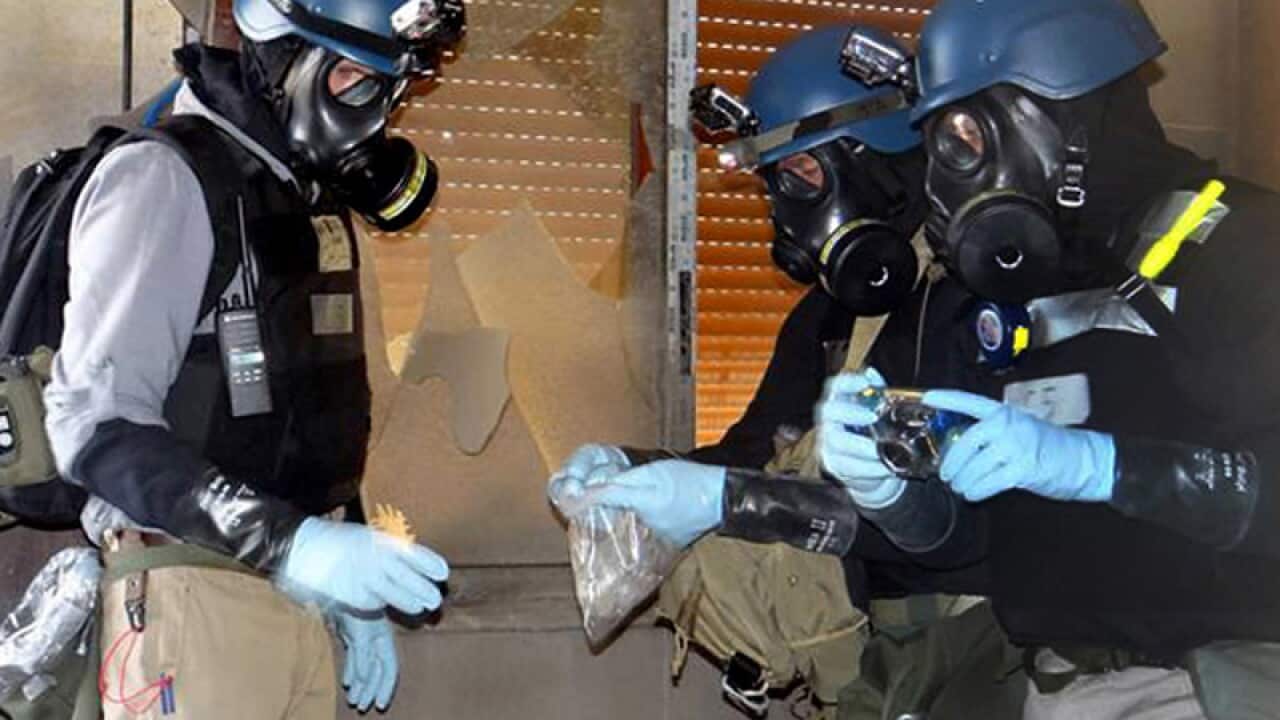
His grim warning came on Tuesday as fighting prevented chemical weapons inspectors from visiting two sites, although UN chief Ban Ki-moon said the mission to destroy Syria's arsenal by mid-2014 was still on track.
Brahimi has been seeking to build on the momentum of last month's US-Russian deal to eradicate Syria's chemical weapons in order to launch the so-called Geneva II peace talks proposed for next month.
But the talks have been cast into doubt by the increasingly divided opposition's refusal to attend unless President Bashar al-Assad agrees to step down, a demand rejected by Damascus.
In an interview with a French website published on Monday, Brahimi said Assad could contribute to the transition to a "new" Syria but not as the country's leader.
News that makes sense
Your trusted source for staying up-to-date with the world around you. Get free daily news updates and analysis, straight to your inbox.
"What history teaches us is that after a crisis like this there is no going back," the Algerian diplomat told the Jeune Afrique website ahead of his first visit to Syria since December, when he angered the regime by insisting that all powers be handed over to a transitional government.
The veteran troubleshooter admitted "the entire world will not be present" at the talks, but said the alternative to a political settlement could be a failed state in the heart of the Middle East.
"The real danger is a sort of "Somalisation," but even more deep and lasting than what we have seen in Somalia."
More than 115,000 people are estimated to have been killed in Syria's 31-month conflict, which erupted after the regime launched a brutal crackdown on peaceful pro-democracy protests.
In the latest blow to peace efforts, 19 Islamist rebel groups issued a statement Sunday saying anyone who attends the Geneva talks would be committing "treason" and "would have to answer for it before our courts," implying they could face execution.
Russia denounced the warnings, saying it was "outrageous that some of these extremist, terrorist organisations fighting government forces in Syria are starting to make threats."
But the rebel statement came from a wide range of opposition groups, from radical Salafists to moderates who form the backbone of the mainstream rebel Free Syrian Army.
"So you can say that Geneva II is almost totally rejected within rebel ranks," said Thomas Pierret, an expert at Scotland's Edinburgh University.
"If some of the opposition does take part and reaches an accord, it will be worthless."
Under pressure from its Western backers to attend, the National Coalition, an umbrella opposition group, is to meet on November 9 to decide whether to take part.
The Hague-based Organisation for the Prohibition of Chemical Weapons said Monday its inspectors had been unable to reach the last two of 23 disclosed chemical weapons sites for "security reasons."
Inspectors were supposed to have visited all sites declared by Syria by Sunday.
UN chief Ban Ki-moon said the inspectors were still on track to destroy Syria's chemical weapons production equipment by November 1, the first major deadline of a timetable set out by the Security Council.
Ban said Damascus has extended "consistent, constructive" support to the mission but warned "the job is far from complete and much important work remains to be done."







