European finance ministers strived Monday to restore confidence in Europe's economy, vowing to help banks that fail financial "stress tests" and crack down on governments with big deficits.
Belgian Finance Minister Didier Reynders, whose country holds the rotating EU presidency, said governments would "take the necessary measures" if the tests show that some banks appear vulnerable to a new economic crisis.
Tests on banks accounting for 65 percent of the European banking system are to be released on July 23 amid hopes they will reassure markets, which fear some institutions may have hidden some of their problems under the carpet.
News that makes sense
Your trusted source for staying up-to-date with the world around you. Get free daily news updates and analysis, straight to your inbox.
Restoring confidence
"It is clear to my mind that the stress test exercise is of paramount importance to restore confidence in the European economy," EU Economic Affairs Commissioner Olli Rehn told a news conference.
"In my view the European banking sector is overall resilient," he said. "But at the same time, when we publish the stress tests, we will have to prepare for any possible pocket of vulnerability."
The health of the European banking sector has come under sharp focus from investors worried that they might have been hit hard by Europe's sovereign debt crisis.
Some economists have warned that the stress tests would show that a few European banks need fresh capital.
Billions needed in Spain alone
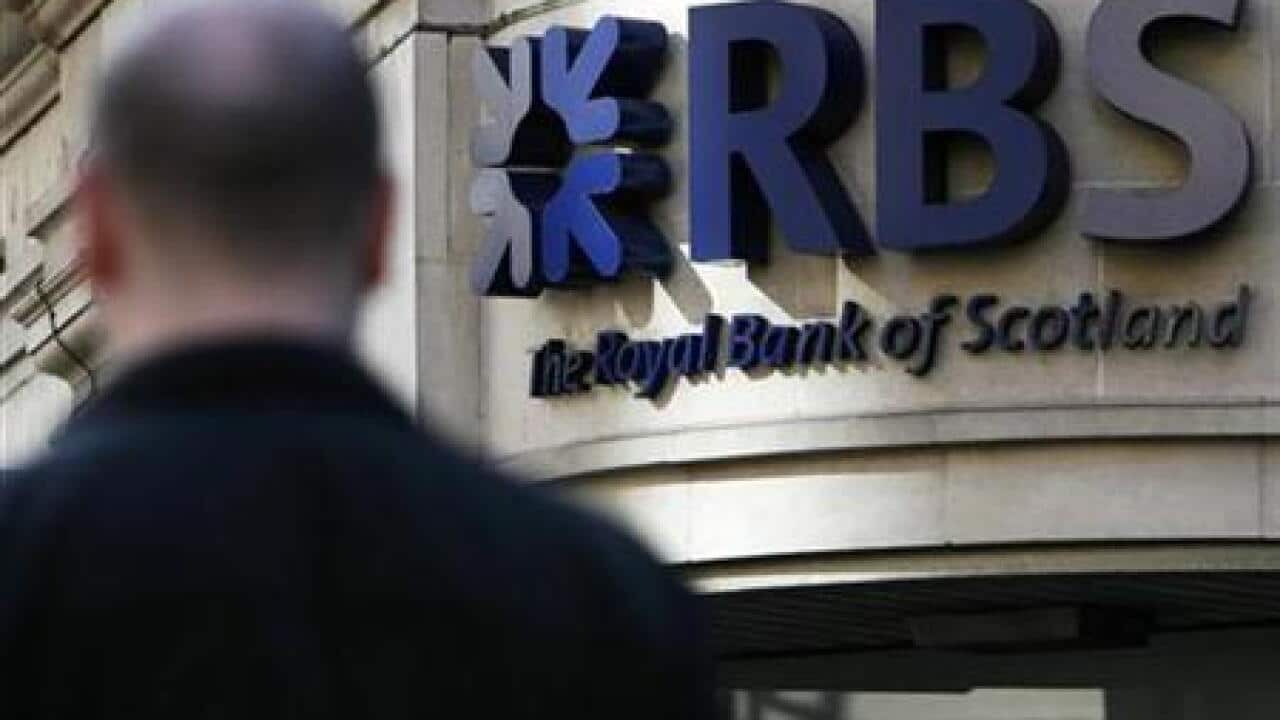
In Spain alone, banks could need a total capital injection of 50 billion euros ($A71.9 billion), said analysts at Royal Bank of Scotland.
Eurozone finance ministers, who met ahead of a meeting of all EU finance chiefs on Tuesday, also defended the methodology of the tests and denied that standards had been watered down to ensure good scores for the 91 banks being examined.
"First it was said that they were too tough, that they would lead all the banks towards bankruptcy. The next day it was said that they were too weak and that the exercise is useless," said German Finance Minister Wolfgang Schaeuble.
"In general, the truth lies somewhere in the middle," he said.
'Ending uncertainty'
Schaeuble said the tests were "an important step to end the uncertainty which is persisting on the markets regarding the situation of banks in Europe."
Fears over the health of banks caused the euro to fall against the dollar on Monday.
"The main question is in what detail the results for 91 banks are to be released," said a Commerzbank note to clients. "If the published results are too vague, speculation about problems at some banks will arise."
Meanwhile EU president Herman Van Rompuy hosted the third meeting of a task force created in March to find ways to reinforce budget discipline in the wake of the Greek deficit and debt debacle which shook the euro currency.
Van Rompuy said finance ministers agreed on the need to impose tough new sanctions against countries that run deficits exceeding the EU limit of three percent of national output, including a halt of certain EU aid.
"The scope of financial and non-financial sanctions will have to be widened, including in the community budget," Van Rompuy said in a statement.
Bid to suspend aid
He said ministers discussed recommendations made by the European Commission, which has suggested that the EU should suspend farm, fishing and regional development aid to member states that violate the Stability and Growth Pact.
The debt crisis has forced European governments to bail out Greece and set up a 750-billion-euro loan package with the International Monetary Fund to help any other state that may need the help.
Eurozone finance ministers called on Slovakia to stop blocking the activation of the financial safety net. The eurozone state wants to renegotiate its share of the mechanism.
"We made it clear in today's discussion our expectation was that the Slovak government would sign the framework agreement," Luxembourg premier Jean-Claude Juncker said after the eurozone finance ministers meeting.







