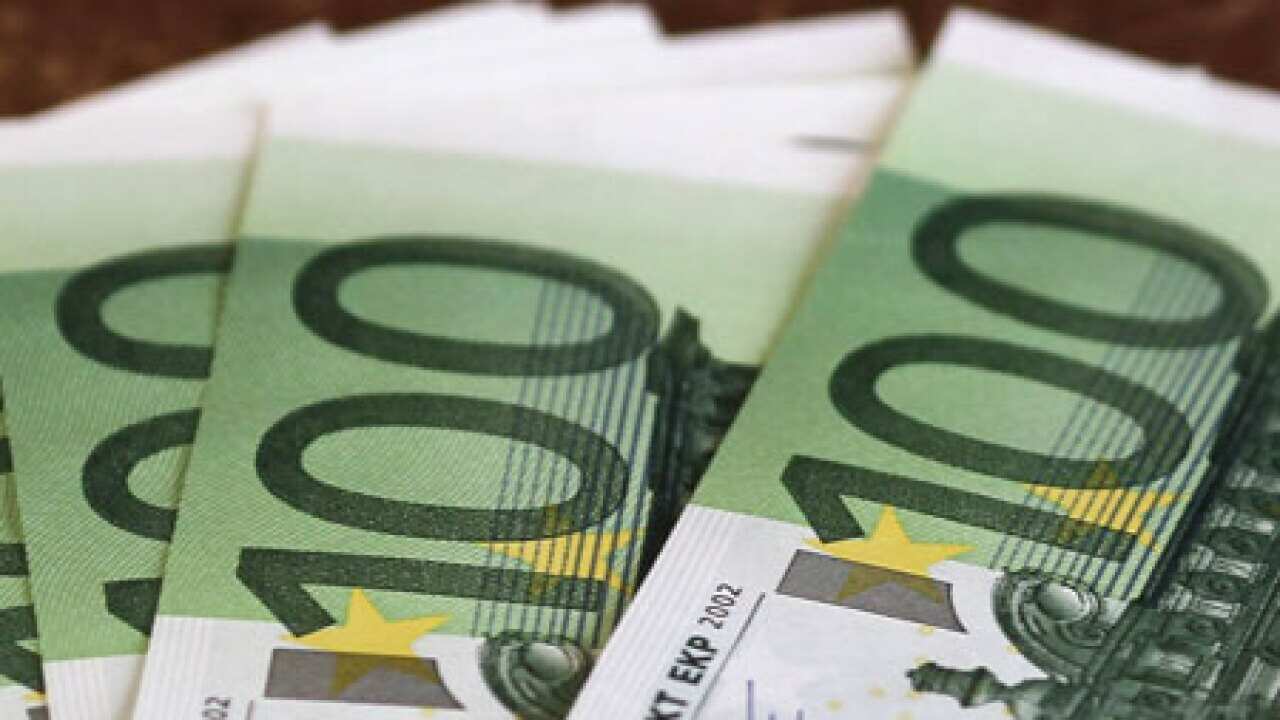
Global stock markets and the euro soared after the biggest financial system bailout since the 2008 banking crisis was agreed at all-night talks in Brussels.
The International Monetary Fund is to play a key supporting role, but governments also faced pressure to clean up their fiscal houses.
News that makes sense
Your trusted source for staying up-to-date with the world around you. Get free daily news updates and analysis, straight to your inbox.
Central banks from the United States to Japan played a crucial part in efforts to stop the Greek debt crisis spreading, as they agreed to intervene to ensure there was plenty of liquidity on the money markets.
"This truly is overwhelming force and should be more than sufficient to stabilise markets in the near-term," said Marco Annunziata, chief economist at UniCredit Group, dubbing the EU-IMF package "Shock and Awe - the 3D Version" of the US attacks on Iraq in the 2003 war.
But "the longer-term consequences will take longer to assess and digest... Much will depend on whether or not eurozone governments quickly follow through on their pledge" to tighten the purse strings, Annunziata said.
"The true decisions needed for the longer-term survival of the eurozone still need to be taken," he added.
Finance ministers agreed the 750b euro ($1t) package of loans, guarantees and credits in marathon talks lasting more than 11 hours.
Some 440b euros would come from eurozone nations and 60b euros from the commission. Another 250b euros would come from the IMF.
Many European markets posted record single-day gains, among them Spain, Portugal and Italy which were pummeled last week amid concerns these countries could fall by the debt wayside like Greece.
Wall Street rebounded strongly with the blue-chip Dow index closing up 404.71 points or nearly four percent, following a turbulent week for Wall Street that saw the index plummet almost 1,000 points briefly on Thursday.
The euro too rose very sharply early Monday but by late afternoon the unit was slipping back as players took profits and waited to see if the eurozone nations would really stick by the currency's fiscal rules this time around.
Meanwhile, money market rates - the interest paid by those seeking to raise fresh funds - fell sharply, with Greek 10-year bond yields halving from peak levels around 12 per cent prior to its own, 110b euro bailout.
This euphoria, however, has to be set against the recent heavy losses sparked by a looming eurozone debt and budget deficit crisis and analysts were cautious in sounding the all clear unless these key problems were tackled.
Spain and Portugal, widely seen as weak links in the eurozone chain, both notably committed to tougher budgets to put their public finances back in order as quick as possible.
In Greece, the epicentre of the crisis, the Socialist government endorsed a radical overhaul of the pension system as part of a drastic and unpopular austerity drive to slash a huge public deficit and debt.
European Central Bank chief Jean-Claude Trichet stressed that it was "absolutely crucial" for governments to meet fiscal targets after the ECB made the unprecedented decision to buy government debt as part of the package.
For German Chancellor Angela Merkel, fresh from a stinging regional poll reverse, the unprecedented deal showed Europe was "protecting our currency in an extraordinary situation."
At the same time, debt-stricken European nations must "attack the problem at its roots," Merkel said, pointing to debt and budget deficits that breach eurozone fiscal rules by a wide margin in many cases.
French Finance Minister Christine Lagarde called the deal a "historic turning point".
"It is not just an emergency mechanism," she told the financial daily Les Echos in an interview to be published Tuesday.
"There is a determination to ... reinvent the European model. We have to find the rules that will keep us from such crises in the future."
Spanish Foreign Minister Miguel Angel Moratinos said he hoped the deal would "mean the end of the battle" against speculators.
The Bank of Japan joined the ECB, the US Federal Reserve and the central banks of Britain, Canada and Switzerland in coordinated moves, mainly through dollar swaps to ensure the markets have plenty of liquidity available.
Trichet insisted that the bank did not bow to political pressure in buying public debt as part of the package and remained "fiercely and totally independent."







