Ash particles from Iceland's still-erupting volcano remain high in the atmosphere and do not pose a health risk so far to people in Europe, the World Health Organization said on Tuesday.
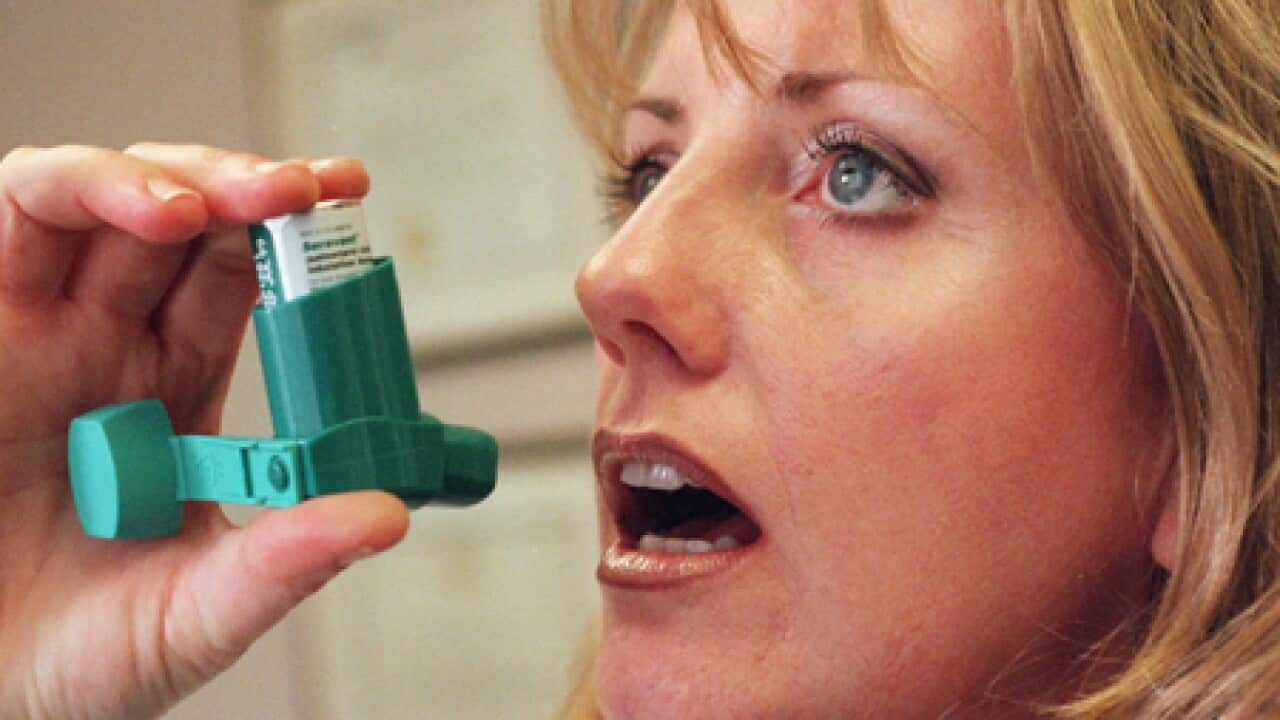
Toning down its guidance from Friday, when it said the ash cloud that has grounded flights could be "very dangerous" for those with asthma and respiratory problems, the WHO said there was no cause for public health alarm so far.
"There are no effects on health at the moment, except in the vicinity of the volcano in Iceland," Carlos Dora of the public health and environment division told a news briefing.
Icelanders living near the volcano should stay indoors or wear face masks and goggles to protect themselves against coarse particles that can irritate the lungs and eyes, Dora said.
But he stressed that the most dangerous ash particles are the smallest ones which can be breathed deep into the lungs, and which have moved further from the volcano site in the ash plume billowing over Europe.
News that makes sense
Your trusted source for staying up-to-date with the world around you. Get free daily news updates and analysis, straight to your inbox.
"The deeper they penetrate into the lungs, the bigger their potential concern for public health," the WHO expert said.
Those fine particles are still "very high up" and weather conditions could very well cause the ash cloud to disperse without causing health problems in Europe, Dora said.
The World Meteorological Organization, which like the WHO is based in Geneva, said on Tuesday that the ash particles are made up of small jagged pieces of rocks, minerals and volcanic glass the size of sand, salt or silt.
"Volcanic ash is hard, does not dissolve in water, is extremely abrasive and mildly corrosive," the WMO said, noting the smallest particles tend to stay in the atmosphere longest.
Such fine particles are normally dispersed by thunderstorms which are not expected in the region in the coming days.
A low pressure weather system is expected to develop over Iceland later this week, potentially pushing the cloud toward the Arctic and prompting rain to "wash out" the ash, the WMO said in a statement.
The WHO's Dora said that if the ash cloud does persist and descend to ground level, the health risks would be greatest for asthmatics and people with respiratory and heart conditions.
"All of those diseases are made worse by high concentrations of particles," he told journalists. If the particles do fall, patients would be advised to carry their medicines with them and avoid overexertion.
But the WHO is emphasizing that for the time being, there is no reason for people in Europe to be extra cautious.
"At the moment we are not issuing any of those warnings," Dora said. The volcanic ash particles appear to be less toxic than small particles from combustion, such as cars and heating systems, that can also be inhaled, he said.







