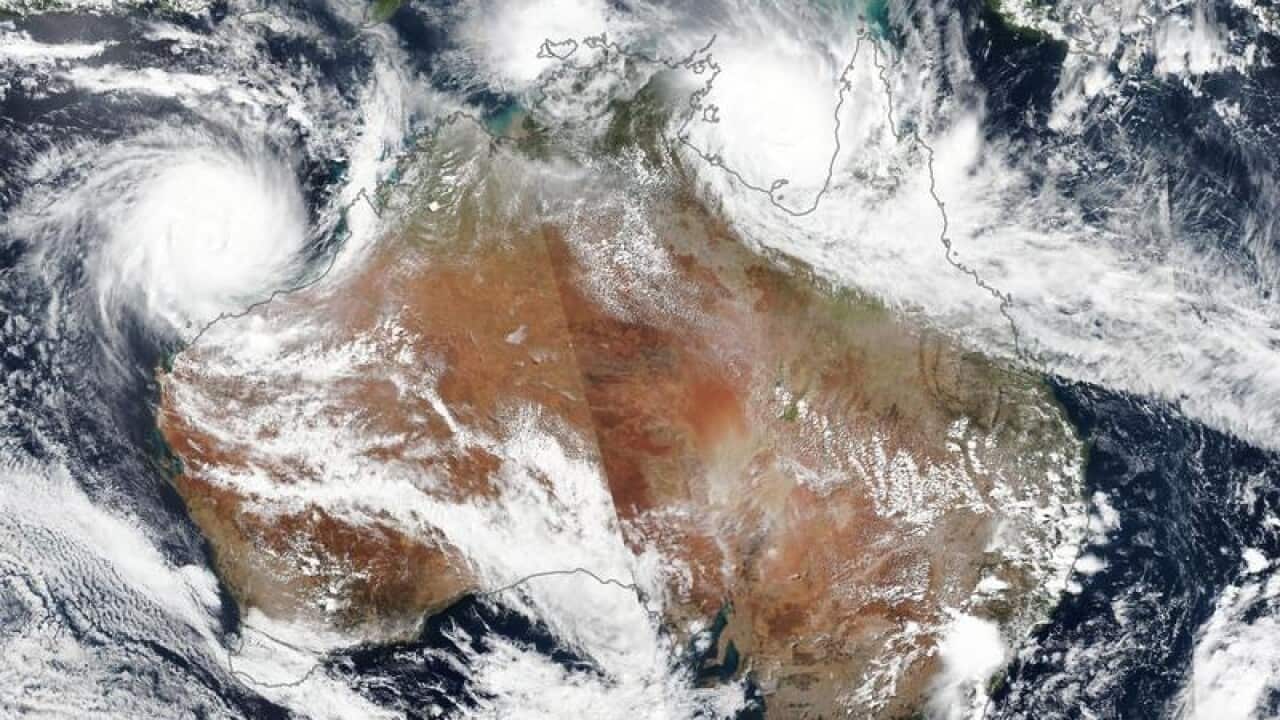
The United Nations' weather agency says extreme weather last year hit 62 million people worldwide and forced 2 million people to relocate, as man-made climate change worsened.
The World Meteorological Organisation's annual state of global climate report says Earth is nearly 1 degree Celsius warmer than when the industrial age started. World leaders are trying to limit warming to 2 degrees Celsius.
Emissions from burning fuels such as coal, petrol and diesel for electricity and transportation are contributing to global warming that in turn brings more intense storms, floods and droughts.
"We have seen a growing amount of disasters because of climate change," said WMO Secretary-General Petteri Taalas. He said since 1998, about 4.5 billion around the world have been hurt by extreme weather.
Cyclone Idai that just hit Mozambique is a good example, but is too recent to be in the report, Taalas said.
News that makes sense
Your trusted source for staying up-to-date with the world around you. Get free daily news updates and analysis, straight to your inbox.
The past four years were the warmest on record, according the to the report. That includes 2018, the warmest La Nina year on record, Taalas said. La Nina, a natural cooling of parts of the Pacific Ocean that changes weather worldwide, usually cools global temperature a bit.
UN Secretary-General Antonio Guterres called on global leaders to convene in September with plans to reduce emissions.
"I'm telling leaders, don't come with a speech, come with a plan," Guterres said.
He said climate change was a security and health issue for the world.
"The impact on public health is escalating, The combination of extreme heat and air pollution is proving increasingly dangerous."
The 44-page report says:
-Floods affected 35 million people.
-Drought hit another 9 million people, adding to the problem of growing enough food to feed the world.
- Ocean heat reached a record high, and oceans are getting more acidic and losing oxygen.
- With some exceptions, glaciers are melting and ice in the polar oceans is shrinking.
- The level of carbon dioxide in the air hit record highs.
"Carbon dioxide is the major problem here," Taalas said, adding that the gas stays in the air for hundreds of years.







