A new report by the Australian Agriculture Department reveals the ongoing drought and international trade stoushes will have a significant negative impact on farming exports, with farming revenue expected to fall to its lowest level in four years.
The extended drought has eroded quantity and quality of domestic crops, with farm revenue expected to drop from $62 billion last year to $59 billion.
The National Farmers’ Federation said NSW farmers were among the worst hit.
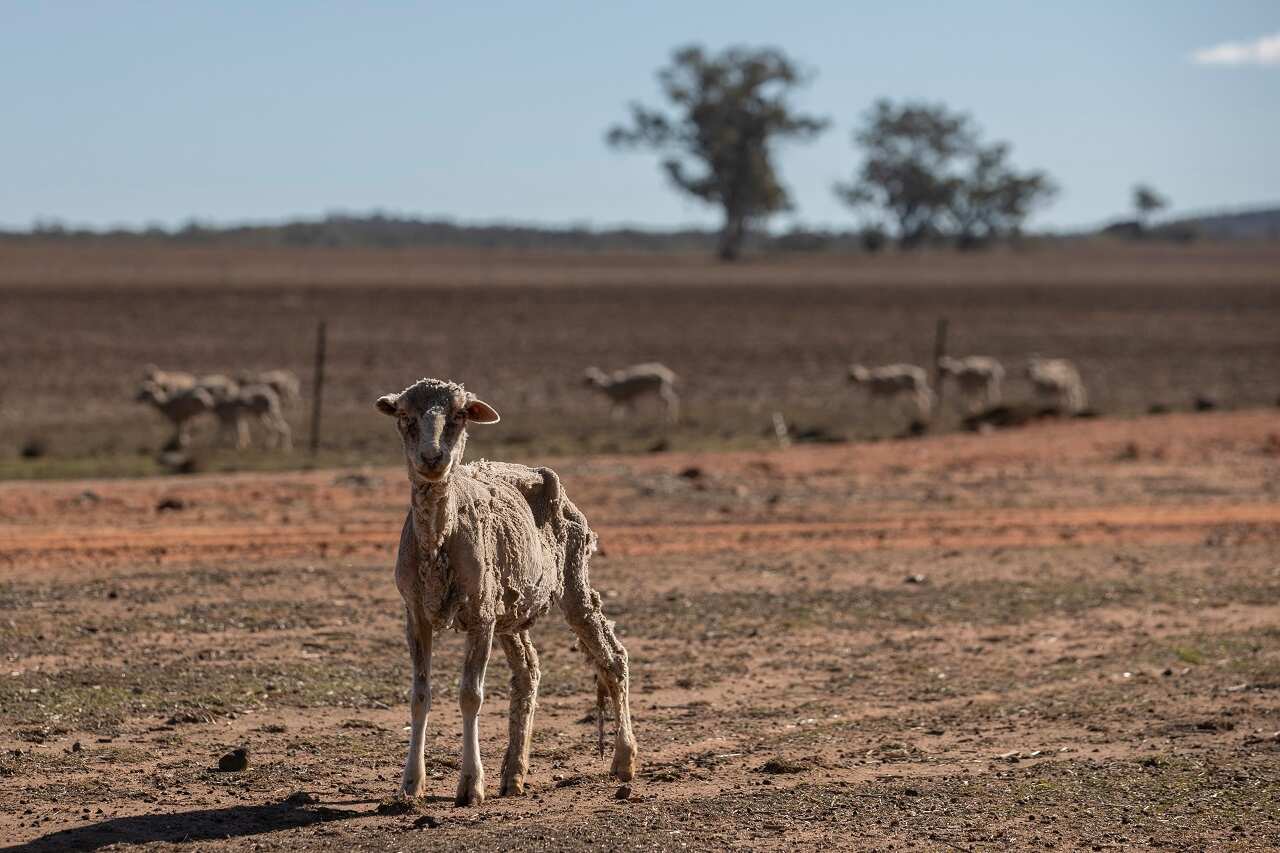
“The drought is the most important issue right across the country. If the winter crops and summer crops don't come in, it will impact livestock production,” chief executive Tony Mahar said.
News that makes sense
Your trusted source for staying up-to-date with the world around you. Get free daily news updates and analysis, straight to your inbox.
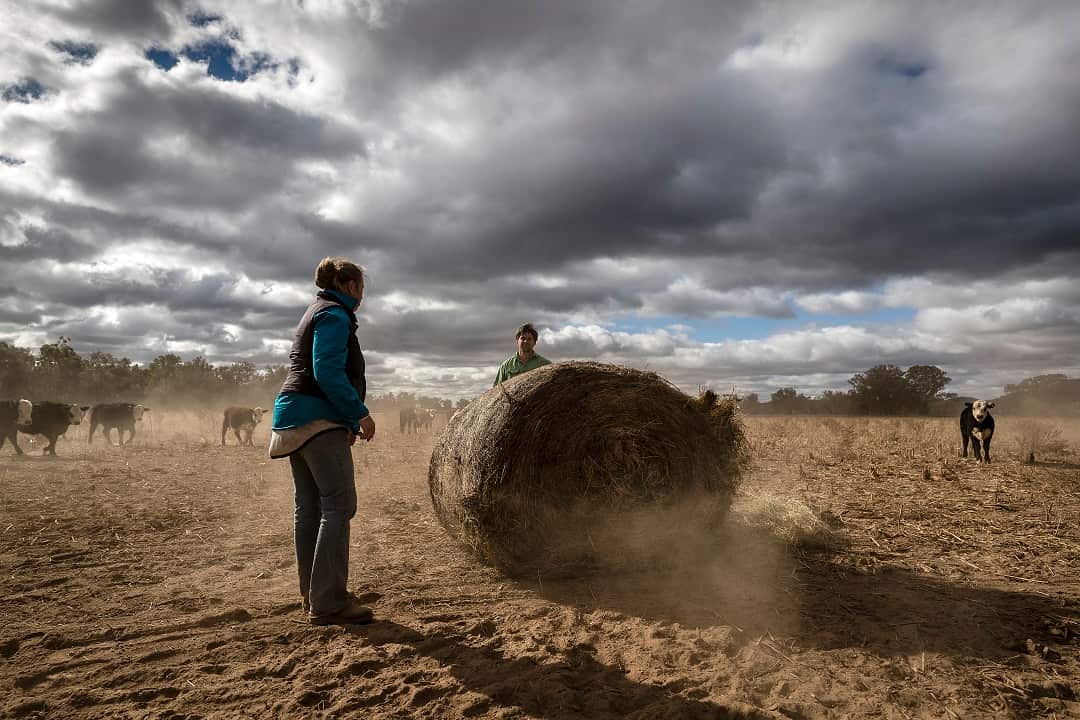
Terry Brett lives outside of Mudgee in regional NSW on a drought-stricken beef cattle farm and said the outlook "is not looking great".
"We came out here to make a future with the family, to get bigger and hopefully the family could get back on the farm. But that is really hard to plan for now," he told SBS News.
Grains make up 15 per cent of Australia’s total exports, but the latest Australian Bureau of Agricultural and Resource Economics predicts a major drop this year.
Wheat prices are expected to fall by 6 per cent to $318 a tonne and coarse grains, like barley, are forecast to fall in price by 13 per cent to $280 a tonne.
But prices are up for some of the sector: as other regions contend with African swine flu - demand for Aussie lamb and beef has risen.
“We are expecting exports to be down about 11 per cent so to come in at about 44 billion dollars. That is around 4 billion dollars less,” ABARES chief commodity analyst Peter Gooday said.
But farmers are also affected by global trade.
China is Australia's most significant agricultural trade partner and is currently involved in an escalating trade war with the White House.
Mr Gooday said the real pain for Australian farmers could come from a long-term, regional economic slow-down.
“Slower growth - even though it would still be growth in China and the rest of Asia - means that there will be less of those moving through and potentially they'll be demanding less of our product that they otherwise would have,” he said.
The prime minister is committed to forming policy to grow the farming sector to $100 billion by 2030.
Analysts believe the goal will be a lot easier to reach if the country gets the rain it needs.







