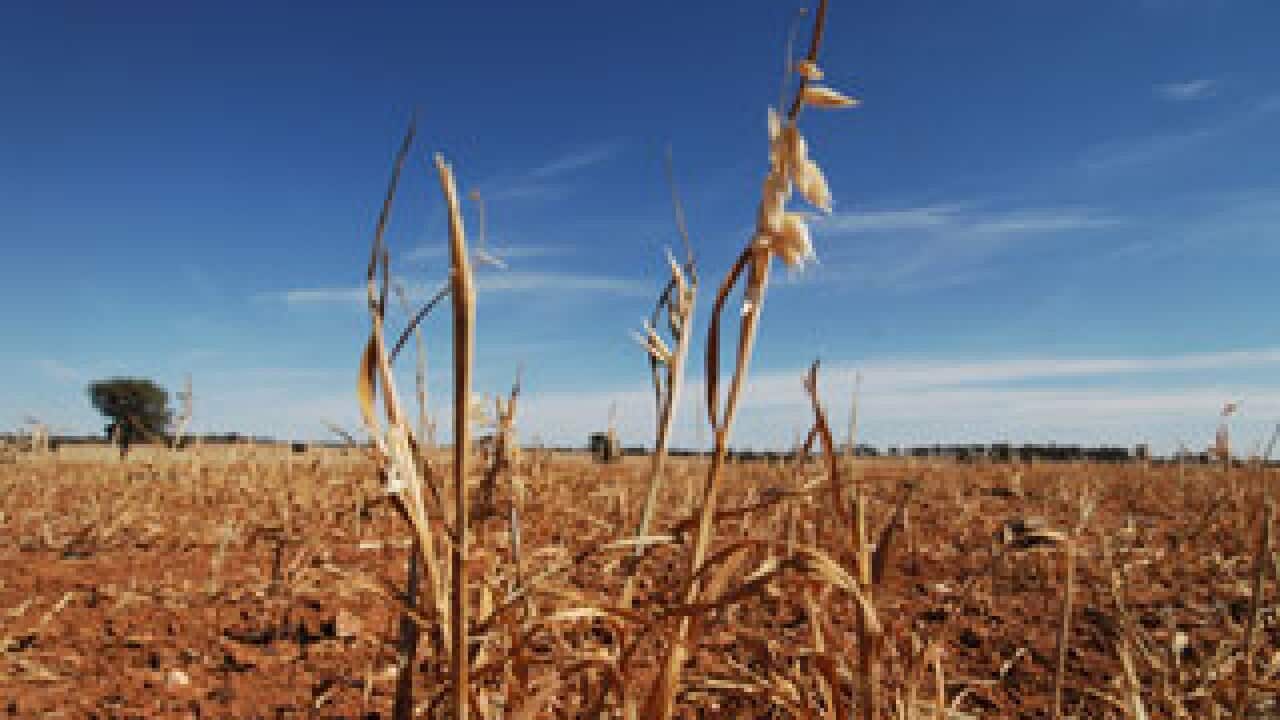
With three rural independents holding the balance of power in the next government, we look at the issues of vital importance in rural and regional Australia.
Health
Tony Windsor and Rob Oakenshott have both identified healthcare as a key issue for their electorates.
News that makes sense
Your trusted source for staying up-to-date with the world around you. Get free daily news updates and analysis, straight to your inbox.
Labor and the Coalition announced specific policies relating to rural health during the election campaign.
Labor wants to offer Medicare rebates for rural and non-urban patients visiting a doctor online.
The Coalition has promised a number of extra scholarships for rural nurses, plus an annual bonus of $10,000 for Nurse Practitioners who practice in regional towns with no resident doctors.
Labor also wants to increase the number of rural health scholarships, and promised 50 per cent of the extra doctors it is funding will be sent to rural and regional areas.
Broadband
Both Labor and the Coalition have been attempting to woo the independents with their broadband plan, as rural communities demand greater connectivity to aid business, healthcare and recreational activities.
Labor's National Broadband Network (NBN) would be faster, providing speeds of up to one gigabit per second, ten times faster than originally announced.
However, Labor's NBN scheme would be significantly more expensive than the Coalition's broadband plan, costing an estimated $43 billion.
The Coalition's broadband network would provide much slower peak speeds, but would incorporate a variety of technologies, including wireless and satellite services.
The Coalition's scheme promises peak speeds of 100mbps, and would cost a fraction of the NBN at $6.3 billion.
Mining and resources tax
The issue of a mining and resources tax is particular divisive for the rural community. Some fear implementing such a tax would endanger jobs, while others say a tax on resources will help cut business tax, which would in turn help struggling rural and regional small businesses.
The debate started before the election, when Labor announced a 40 per cent Resources Super Profits Tax (RSPT). The RSPT has since been scrapped, and replaced with a 30 per cent Mineral Resource Rent Tax, which would apply to iron ore, coal, gas and oil companies.
The Coalition says, if elected, it will shelve plans for a resources tax altogether, saying such a tax would harm the industry's international competitiveness.
They would instead implement a $150 million exploration development program to fund industry into the future.
Water
Policies relating to water, and specifically reviving the Murray-Darling Basin (MDB), are of vital importance for farmers and rural communities.
Labor has indicated it will pay irrigators for water, but has not set a dollar figure on how much. It says it is waiting for the Murray-Darling Basin Authority Report before releasing numbers on the issue. The report is due shortly.
The Coalition has also indicated it will be willing to buy water entitlements, but only from willing sellers.
The Coalition has pledged $751 million to the MDB over four years, while Labor has promised a $4 billion upgrade of existing irrigation systems.
The Coalition has promised $300 million investment in rural water infrastructure in particular.
Farming and tariffs
Farming is central to many rural communities, yet neither Labor nor the Coalition has a comprehensive policy on this issue.
One of the three key independents Bob Katter, an ex-Nationals MP, sites the Nationals' willingness to concede on tariffs and free market policies as one of the main reasons he left the party.
Neither major party has made public plans to increase or decrease protectionism for Australia's primary industry.
However, the Coalition has announced it will suspend Labor's marine park planning process and review their Marine Protected Areas.
The Coalition says it will appoint a minister responsible for Fisheries, and encourage both commercial and recreational angling.
Climate change
The two major parties have significantly different ways of tackling the issue of climate change.
Liberal leader Tony Abbott has been criticised in the past for being a climate change sceptic, while Labor's Emissions Trading Scheme (ETS) was panned by both sides of politics.
If elected, Labor will offer funds to the energy sector to ensure it is able to implement a carbon capture scheme. It will also provide $1 billion in funding to connect renewables to the energy grid.
The Coalition, on the other hand, will focus on funding clean coal technology. It will establish a fund to help business and industry to reduce carbon emissions.
Both parties want an increase in solar energy as a renewable source of energy.







