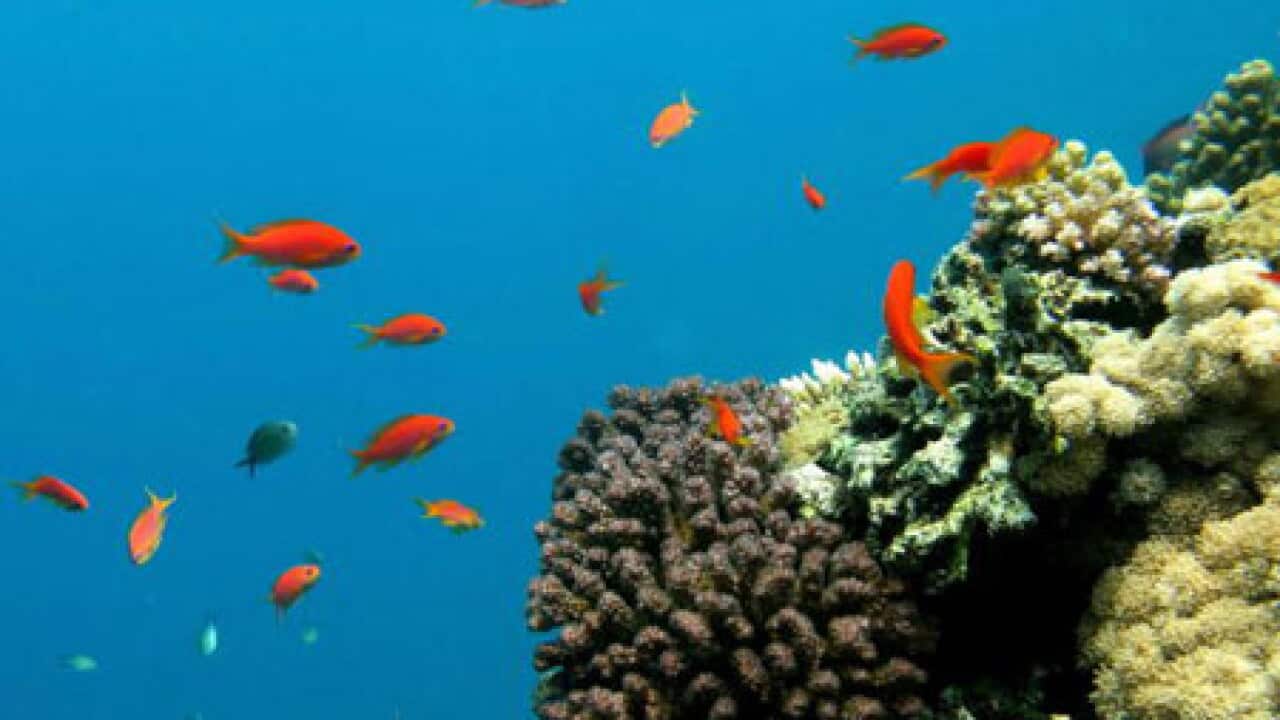
Above-average temperatures this year could spark massive coral bleaching in the Caribbean basin region, experts with the National Oceanic and Atmospheric Administration (NOAA) warned Wednesday after a major study.
The review found that there is a high risk for bleaching damage to coral in the south and southeastern Caribbean. That could cause a repeat of damage done back in 2005 when 90 percent of coral in the area were damaged and 10 percent were destroyed.
"High temperatures cause corals to force out the symbiotic algae that provide them with food. This makes the corals appear white or 'bleached' and can increase outbreaks of infectious disease," said Mark Eakin, coordinator of NOAA's Coral Reef Watch.
News that makes sense
Your trusted source for staying up-to-date with the world around you. Get free daily news updates and analysis, straight to your inbox.
"Temperatures are high in the Caribbean, and we expect this to continue," Eakin added, so "this season has the potential to be one of the worst bleaching seasons for some reefs."
Bleaching that goes on for even just a week can lead to the death of the coral, and to the loss of marine habitat, experts say.
Emma Hickerson, a sanctuary research coordinator, said that a NOAA survey cruise just returned from the Flower Garden Banks National Marine Sanctuary off the coasts of Texas and Louisiana.
"We saw serious bleaching," she said of the sanctuary. "Several species were bleached and we are concerned we could lose much of the fire corals this year," she warned.
Scientists say corals are vital to marine life because they provide habitats for a vast variety of creatures and absorb large levels of poisonous carbon dioxide.







