in brief
- The long-nosed fur seal may have contracted the virus from wild birds.
- This follows an increase in bird fatalities since the virus was first detected on Australia's shores in June.
Australia has recorded its first case of bird flu in a mammal, as the deadly virus continues to spread.
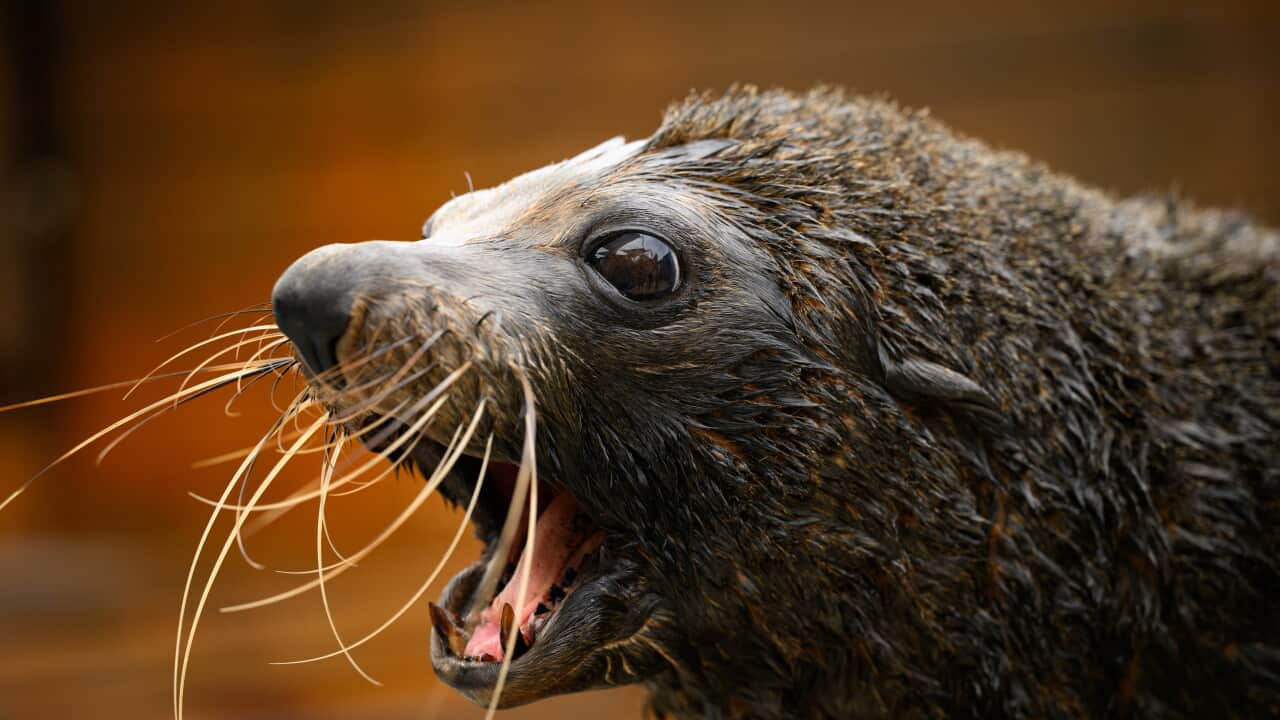
A long-nosed fur seal at Beachport in South Australia tested positive for H5 bird flu, authorities confirmed on Sunday.
It's the first confirmed case of the strain in a mammal in Australia and is believed to have been contracted from wild birds.
Agriculture Minister Julie Collins said the development was distressing but not unexpected.
"Although this is a concerning development, it is not unexpected for us to start to see infection in other wildlife, particularly in marine mammals, particularly in areas where there are high infection rates in wild birds," she said.
News that makes sense
Your trusted source for staying up-to-date with the world around you. Get free daily news updates and analysis, straight to your inbox.
"Sadly, we also know that once the H5 bird flu is spreading in the natural environment, it is not possible to avoid significant losses."
Chief executive of the Invasive Species Council Jack Gough said overseas mammal-to-mammal transmission had resulted in high fatality rates.
"We know from South America and Antarctica that mammal-to-mammal transmission among seals quickly led to high mortality rates, particularly among pups," he said.
"We are still just at the early stages of this devastating virus and the bad news is going to keep coming for our wildlife as it spreads around the continent and between species."
This follows an increase in bird fatalities since the virus was first detected on Australia's shores in June.
South Australia has the highest number of confirmed cases, with 182 positive detections.
Victoria has recorded 86 cases, Western Australia 10, NSW 11, and Tasmania nine.
So far, no cases have been detected in an agricultural setting, and the health risk to humans remains low.
The public is urged to report sick-looking birds to authorities and not to approach or touch them.
For the latest from SBS News, download our app and subscribe to our newsletter.







