In brief
- Labor says the reforms it's put before parliament are the toughest any Australian government has tried to pass.
- Critics say they fall well short of the recommendations made by a review led by late Labor MP Peta Murphy.
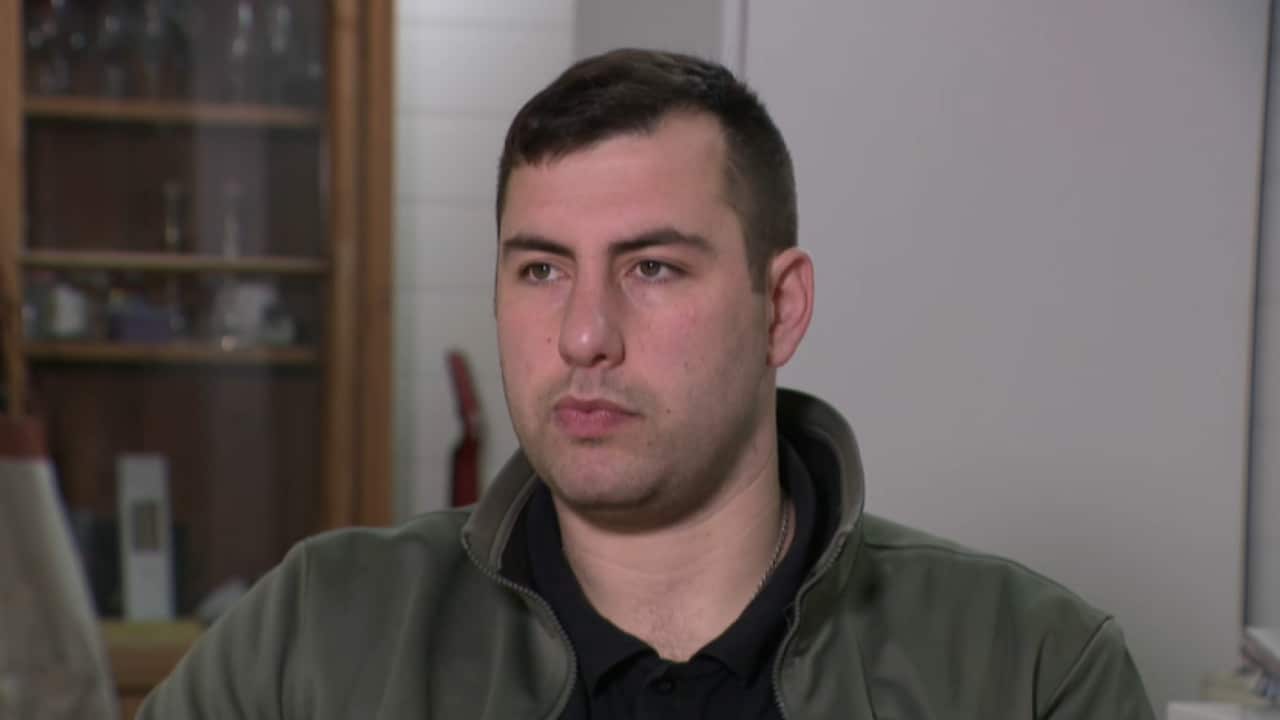
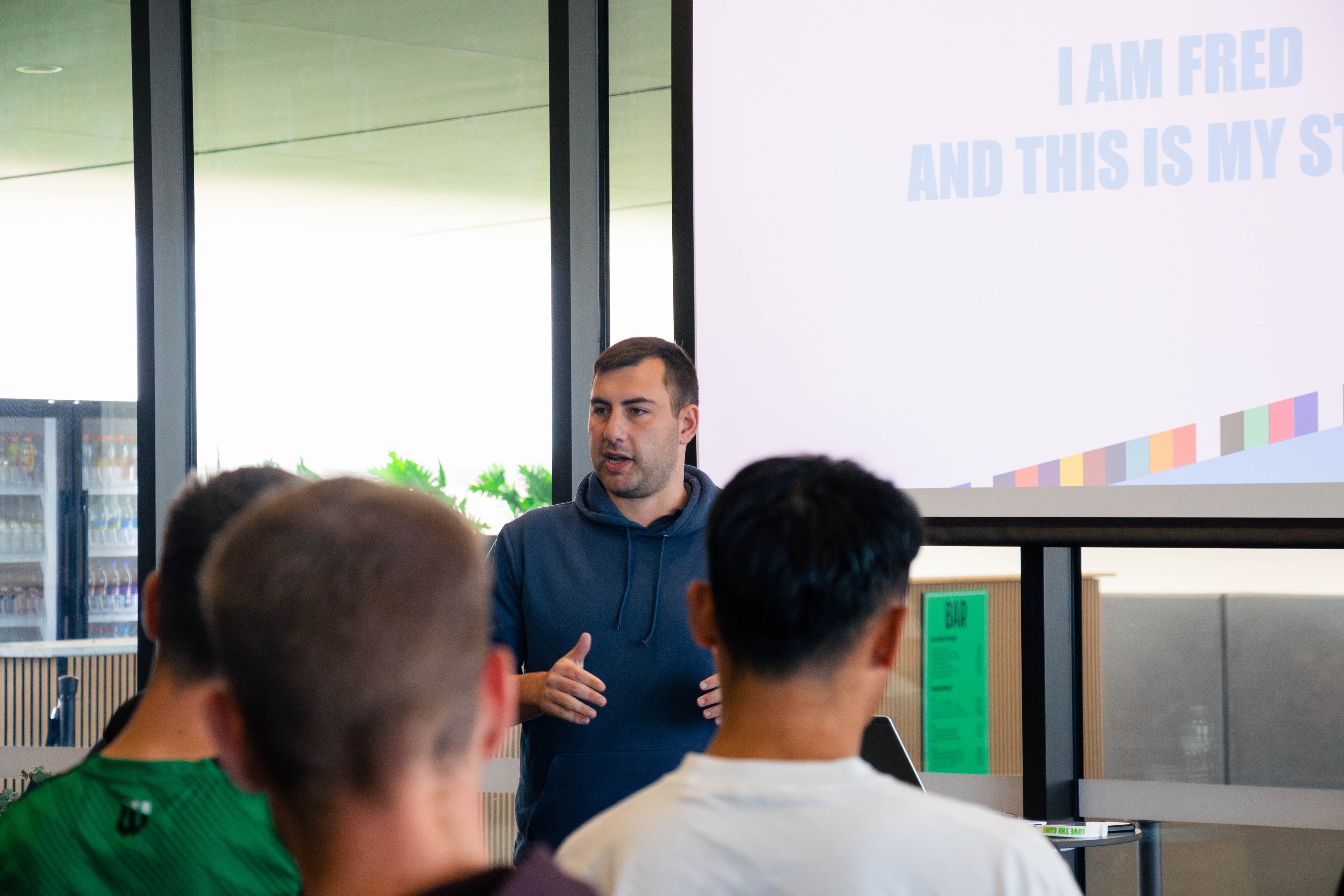
Fred Rubinstein started gambling when he was 14. Five years later, a roughly $225,000 inheritance left to him by his father was gone.
In addition to the inheritance, Rubinstein lost around $30,000 in money borrowed from friends or stolen from his mother.
Compulsive lying, he said, was necessary to keep up his compulsive gambling.
"I came to gambling to escape all these underlying problems," he said.
"I thought that gambling was going to be my way out."
News that makes sense
Your trusted source for staying up-to-date with the world around you. Get free daily news updates and analysis, straight to your inbox.
On Thursday, the Albanese government introduced to parliament its much-anticipated gambling advertising reform bill, which it says will protect young people like Rubinstein.
However, Labor is facing major pushback from the Coalition, the Greens, and crossbench MPs, who argue the laws fall well short of the recommendations made in the landmark Murphy inquiry.
If passed, the legislation will take effect from 1 January 2027 and restrict gambling advertising, bar influencers and sports stars from gambling promotion, and mandate "opt-out" mechanisms for online users.
However, there are exemptions, including for horse and greyhound racing, something Rubinstein told SBS News was a major factor in drawing his attention to gambling as a child.
"My dad was a semi-professional gambler, and he bet on horses and dogs," Rubinstein said. "That was a normalised thing in my house."
"As young as 10, I would be getting scratchies [scratch Lotto tickets] as, you know, an inappropriate gift. I'd be obsessed with arcade games and, yeah, that became gambling when I was 14.
"I turned 18, I went to the bank to get access to my inheritance of around $225,000 and, over the course of that following year, I developed a really unhealthy routine.
"Casino every night. I'd be there anytime between 8pm to 4am, losing anywhere between $2,000 and $4,000 a night.
"I lost it all in one year."
Critics have branded the government's reforms a capitulation to the powerful gambling lobby.
Simon Kennedy, Liberal MP and co-chair of the parliamentary group Friends of Gambling Harm Minimisation, was ejected from Question Time on Thursday for heckling the prime minister over gambling-harm-related deaths.
While he personally supports the right for Australians to choose to gamble, Kennedy wants stronger protections for young people and vulnerable adults.
"I want to see [gambling advertising] dealt with before sports. Not only do I want to see that dealt with, I think online [advertising] should be opt in," he told SBS News.
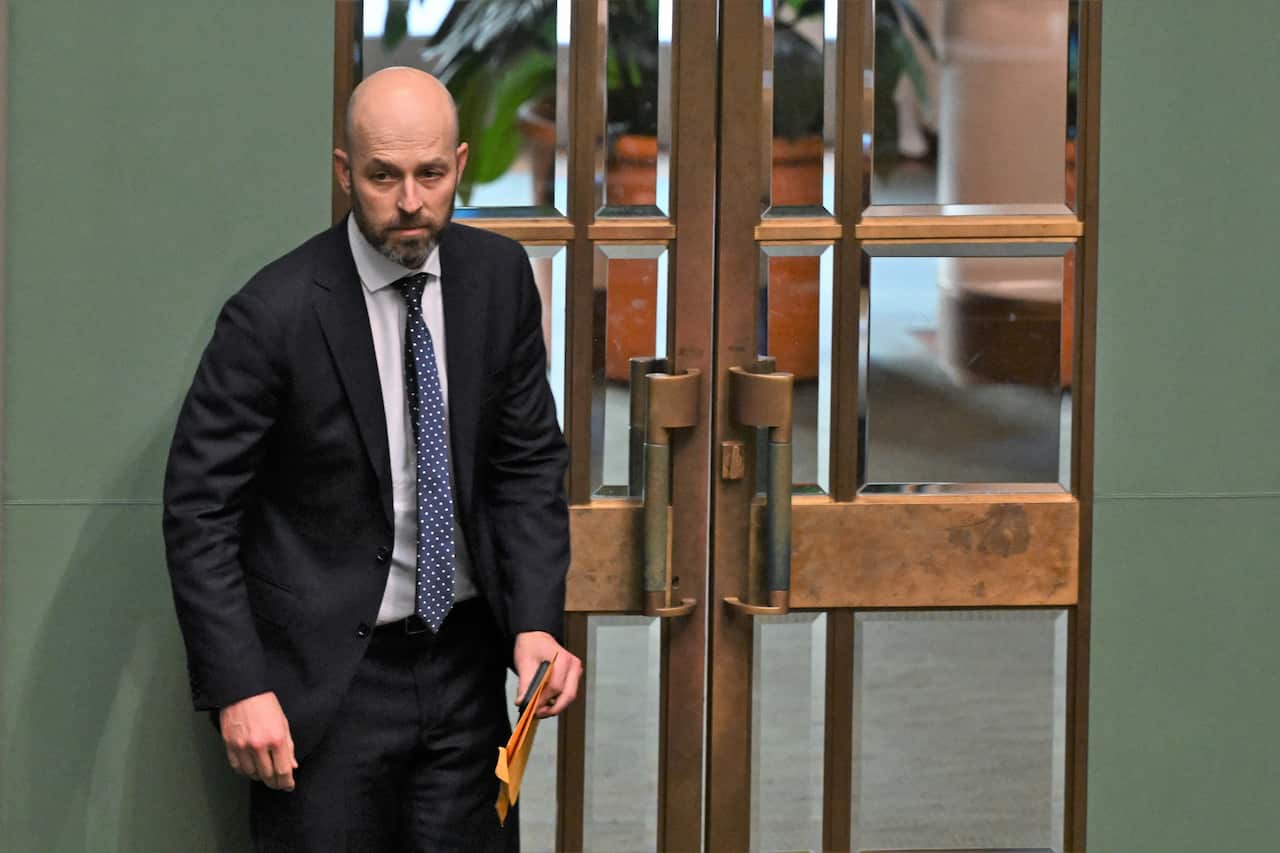
"We need to clamp down really, really hard on social media, and then actually have [gambling ads] in broadcast spots, where it is available for people who are over 18, when kids aren't watching."
His remarks were echoed by independent senator David Pocock, who, alongside the Greens, has successfully pushed the bill into an eight-week Senate inquiry.
He is also backing much tougher regulation over gambling advertising.
"Labor voted against a Senate inquiry into their bill because they know it is so far off the mark," Pocock said.
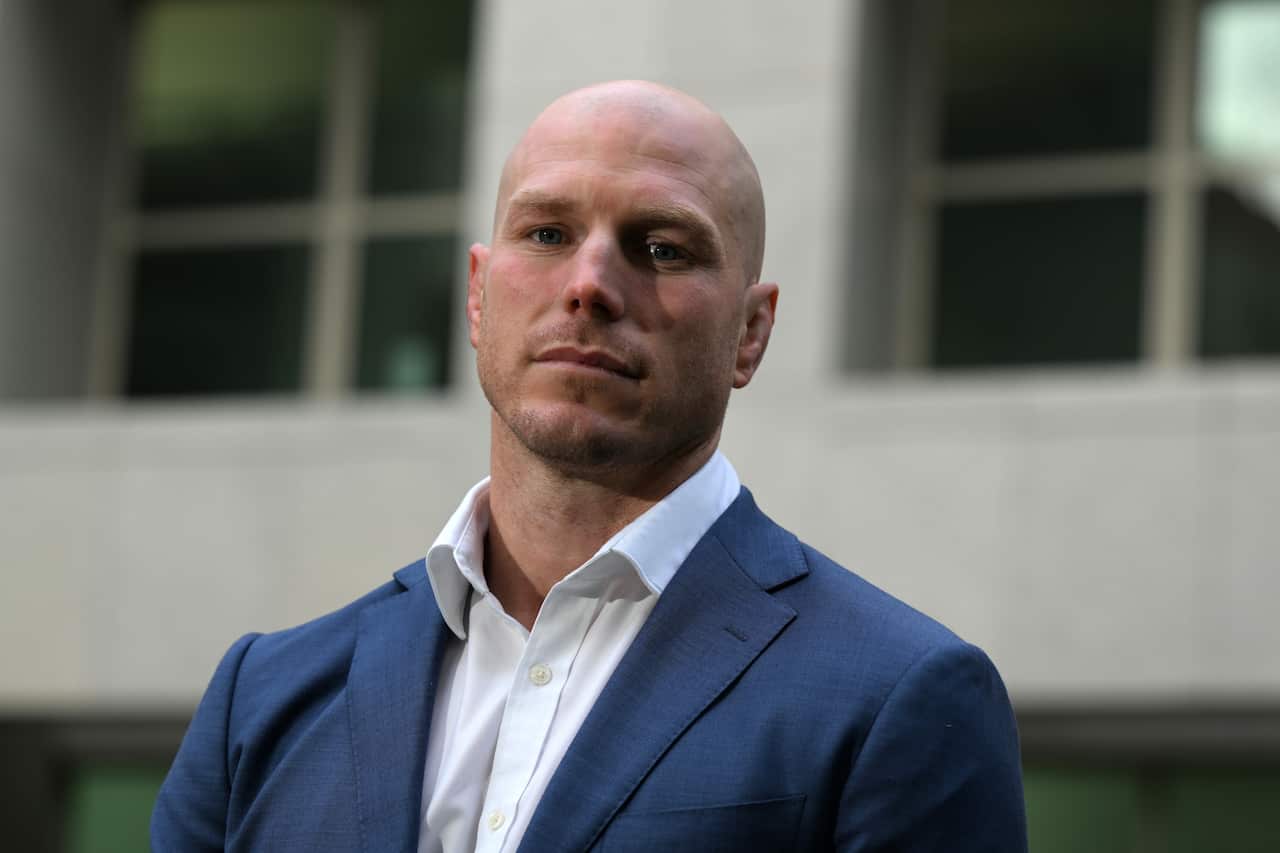
"How is it that a Labor-chaired committee gave such strong recommendations and then the prime minister just buckles to the gambling lobby, introduces weak legislation, and now we have the Liberal Party saying that it's not strong enough?"
The bill faces a delay due to the inquiry.
Labor will need to work with the Greens and the crossbench or with the Coalition to pass its package, which is unlikely to be voted on until September.
'Kids shouldn't be exposed to gambling ads'
Rubinstein, who overcame his addiction through psychological support, said gambling advertising had "a fair bit" of an impact on him.
"The TV ads were very annoying, and I think that we need to have a total ban," he said. "I think it's the only way to protect kids, because they shouldn't be exposed to this content."
Labor's bill would allow a maximum of three gambling ads per hour on daytime and evening TV. It would ban them during live sports broadcasts between 6am and 8.30pm, and restrict them on commercial radio during school pick-up and drop-off hours.
However, the tightening of the rules does not meet the 31 recommendations made in the 2023 report spearheaded by the late Labor MP Peta Murphy, which called for gambling advertising to be completely phased out over three years.
A ban on predatory practices to lure people with gambling problems, a clamp-down on illegal overseas betting outlets, and the creation of a single national gambling regulator were also recommended.
'Not against someone having a punt'
Prime Minister Anthony Albanese defended his bill on Friday by arguing that his reforms exceed recommendations made in the Murphy report.
"I'm not against someone having a punt on a Saturday," Albanese told ABC Radio Sydney. "What I'm against is problem gambling."
The prime minister argued that problem gambling largely occurs with pokie machines, which are regulated by state and territory governments, and that "more than half" of the recommendations made relate to those jurisdictions, not his own.
"We've also been introducing measures such as BetStop, which has been very successful, so that people can be excluded from being able to gamble," he said.
Responsible Wagering Australia, which represents gambling providers, pushed back on the tougher measures called for by critics like Kennedy, telling SBS News that a total ban would drive Australians to "illegal offshore gambling operators".
Andrew Wallace, another Liberal MP who has long pushed for tougher gambling law reform, said Labor's bill was "totally inadequate".
"If it were only up to me, I wouldn't have a problem with a total ban, but at the end of the day ... a little bit of something is better than a whole lot of nothing, and politics is the art of the impossible."
'Right direction'
Rubinstein said he is "pleased" to see some action being taken to limit that harms of gambling addiction but that Labor's reforms don't go far enough.
"I think it's a soft way of trying to appease everyone," he said. "They need to be a lot stronger than that, but I think it's still a step in the right direction."
Australia has the highest per capita gambling losses in the world. Citizens lose roughly $32.2 billion each year, the Queensland Government Statistician's Office notes, nearly double the average annual losses in the United States and triple those in New Zealand.
The money spent on gambling by Australians is "the equivalent of the construction of six Sunshine Coast University Hospitals every single year," Wallace said.
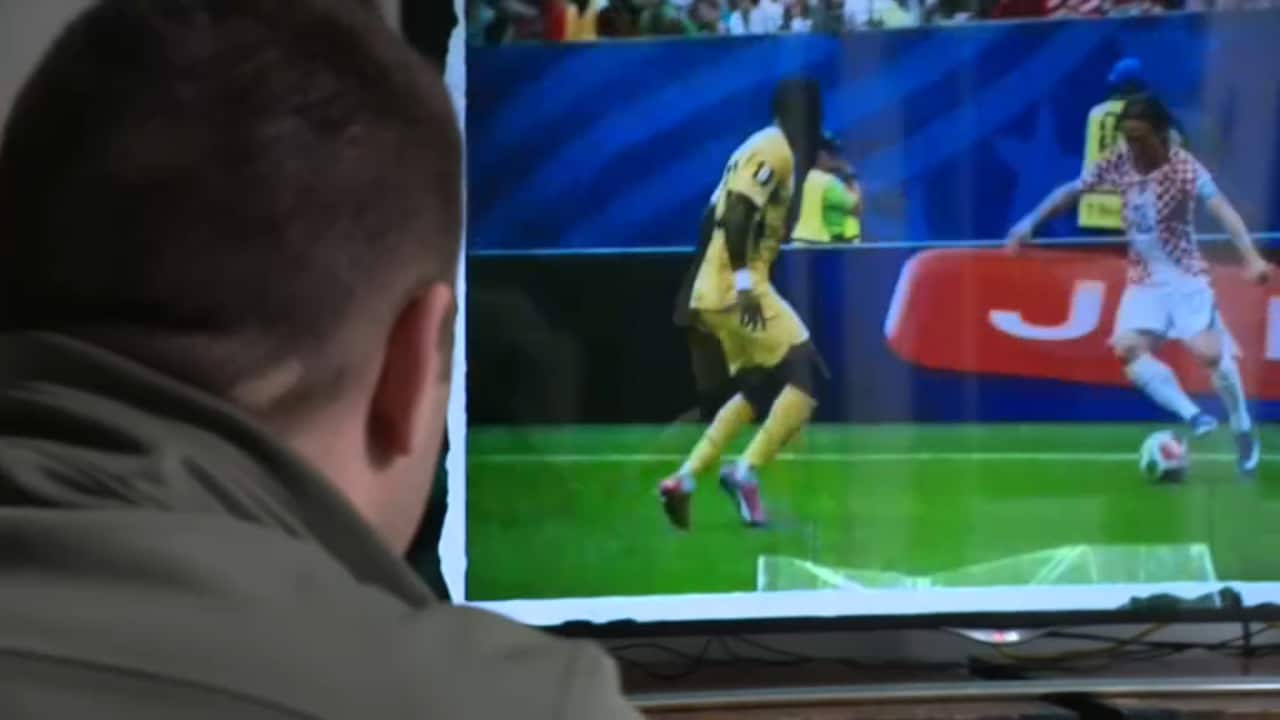
Nielsen Ad data shows there are over a million gambling ads on free-to-air TV and metropolitan radio each year, while the Australian Gambling Research Centre has found 15 per cent of the population experienced direct gambling-related harm in 2024, up from 11 per cent in 2011.
Other countries, like the United Kingdom, Italy, Spain, and Belgium, have already implemented near-total bans on gambling ads during live sports.
Rubinstein believes he is one of the lucky ones. With the support of his family, he was able to change direction after hitting his own "rock bottom": being threatened with criminal action after his mother caught him stealing from her again.
"I feel really lucky and morally obligated to speak and share my story, and hope that others don't have to go through the same experience."
Are you or someone you know affected by problem gambling? Call Gambling Help Online 24 hours a day on 1800 858 858 for support.
For the latest from SBS News, download our app and subscribe to our newsletter.







