Genetically engineered phages - viruses that kill bacteria - have been used for the first time to treat a patient struggling with a dangerous, persistent superbug infection.
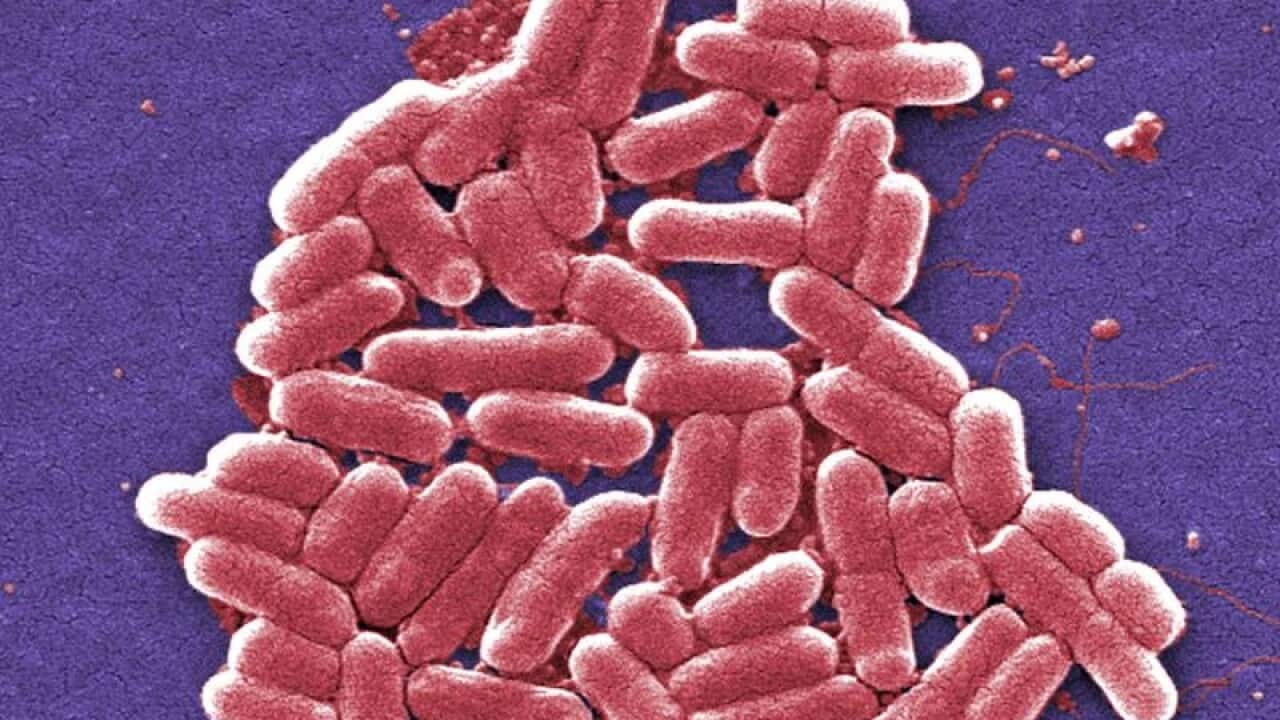
The 15-year-old girl had been infected with Mycobacterium abscessus, which is in the same genus as the bacterium that causes tuberculosis.
Researchers screened a database of more than 10,000 phages to find those active against the bacterium. They engineered three phages to make them more lethal.
The patient improved after treatment with the phage "cocktail", according to a study published Wednesday in Nature Medicine.
It is plausible that the modified phages were responsible, the study said. But making a firm conclusion wasn't possible, because only one patient was treated.
News that makes sense
Your trusted source for staying up-to-date with the world around you. Get free daily news updates and analysis, straight to your inbox.
The treatment was modelled after the phage therapy given to University of California professor Tom Patterson who recovered after nearly being killed by his antibiotic-resistant infection.
Experts not involved with the study said the results represent an advance in phage therapy.
That's because it was the first use of genetically engineered phages, and the first time phages were used against this kind of bacteria.
Anyone getting phage therapy is likely to be very seriously ill. This patient's condition was particularly precarious because a double-lung transplant had recently been performed to treat cystic fibrosis.
In addition, the patient had diabetes, liver damage and infection with Epstein-Barr virus.
A team led by biologist Graham Hatfull of the University of Pittsburgh, and Helen Spencer at Great Ormond Street Hospital in London, searched through the SEA-PHAGES database, compiled by students at the University of Pittsburgh.
They found three candidate phages in soil-dwelling mycobacteria that don't infect people.
The phages infected Mycobacterium abscessus, but tended to live as permanent parasites.
Researchers took out a gene that allowed the phage to insert itself into the bacterial genome, said Schooley, the UCSD physician who treated Patterson. That turned the parasite into a killer, Schooley said.
The phages were introduced into the patient's abdomen and also given intravenously. Over a six-month period, the lesions gradually reduced, but didn't disappear.
"It is plausible that phage resistance is associated with reduced virulence," the study said.
Patterson said he's still recovering, but "feeling great."
"This new case is very exciting and gratifying," Patterson said. "For me, all of the time and pain and suffering that I went through, is made worthwhile by the lives that are being saved by phage therapy."







