Watch FIFA World Cup 2026™

LIVE, FREE and EXCLUSIVE starting June 12 2026

Great Barrier Reef set to face more frequent mass bleaching events

A report predicts the Great Barrier Reef will be hit with major bleaching events every two years by 2034 if greenhouse emissions aren't reduced.

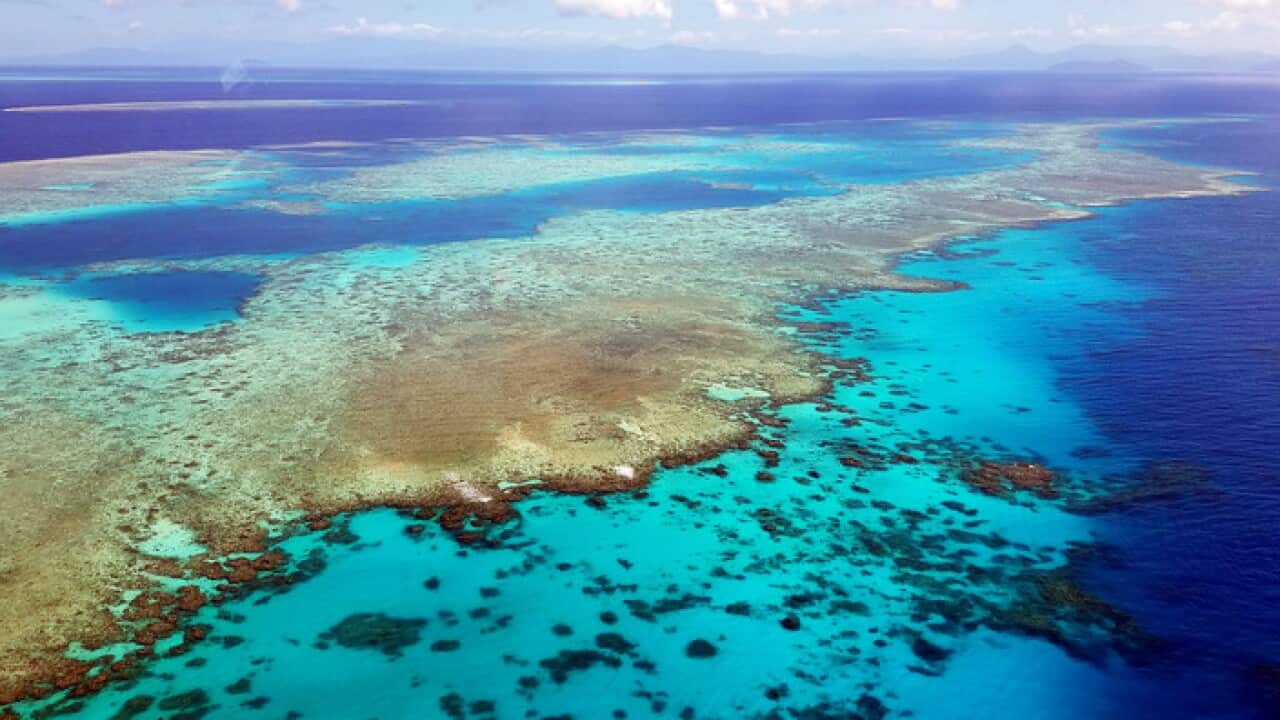
Landscape of the Great Barrier Reef in the Coral Sea off the coast of Queensland, Australia, 2018.
Landscape of the Great Barrier Reef in the Coral Sea off the coast of Queensland, Australia, 2018. Source: Imaginechina

The Great Barrier Reef will be hit with coral bleaching events every two years unless more is done to reduce greenhouse gas emissions.

The latest report from the Climate Council has found coral bleaching events are increasingly common and will continue to be unless the effects of climate change can be slowed or reversed.
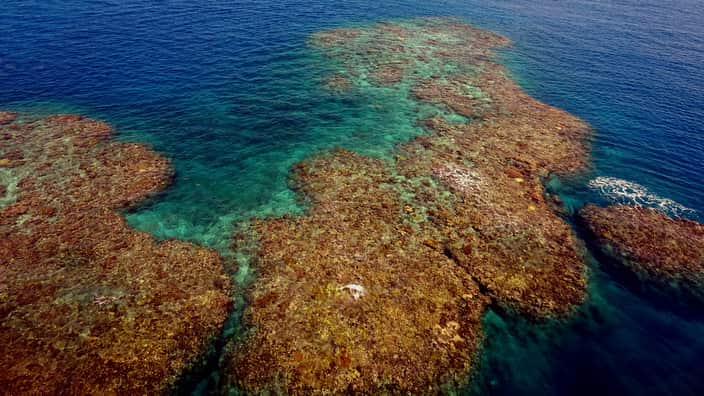
Corals on the northern Great Barrier Reef experienced a catastrophic die-off following the 2016 marine heat wave.
Corals on the northern Great Barrier Reef experienced a catastrophic die-off following the 2016 marine heat wave. Source: AAP

Spokesperson and ecologist Professor Lesley Hughes says severe bleaching like the 2016 event which killed off a third of the reef's coral has become more common already.

"In the 1980's, we would see a 27-year gap on average in between bleaching events around the world. Now, they're hitting every six years on average," she said.

News that makes sense

Your trusted source for staying up-to-date with the world around you. Get free daily news updates and analysis, straight to your inbox.

By subscribing, you agree to SBS’s terms of service and privacy policy including receiving email updates from SBS.

"The unprecedented mass coral bleaching of the Great Barrier Reef in 2016 was at least 175 times more likely to occur due to climate change."

The Climate Council said state and federal government efforts to improve water quality around the reef would not offset the damage being caused by extreme heatwaves.

They said only a reduction of greenhouse gas emissions could halt increasing temperatures, helping to stop the increasing cycle of bleaching events.



1 min read

Published

Updated


Share this with family and friends


Get SBS News straight to your inbox

Sign up now for daily news from Australia and around the world. You can also subscribe to Insight's weekly newsletter for in-depth features and first-person stories.

By subscribing, you agree to SBS’s terms of service and privacy policy including receiving email updates from SBS.

Follow SBS News

Download our apps

Listen to our podcasts

Get the latest with our News podcasts on your favourite podcast apps.

Watch on SBS

SBS World News

Take a global view with Australia's most comprehensive world news service

Stream now

Watch the latest news videos from Australia and across the world




