Australia's solid economic rebound after a limp start to the year could quickly unravel if regional political tensions blow-up into a trade war.
Financial markets remained jittery as the political rhetoric over North Korea's nuclear bomb testing continued to escalate, with the US threatening to end trade with any country that deals with the rogue state - namely China.
Australian Trade Minister Steven Ciobo said it would be in no one's interest if a global trade war broke out.
"The implications would be the world would go into recession, that we would see thousands of jobs lost," he said on Tuesday.
Prime Minister Malcolm Turnbull is due to speak with US President Donald Trump by phone on Wednesday morning.
News that makes sense
Your trusted source for staying up-to-date with the world around you. Get free daily news updates and analysis, straight to your inbox.
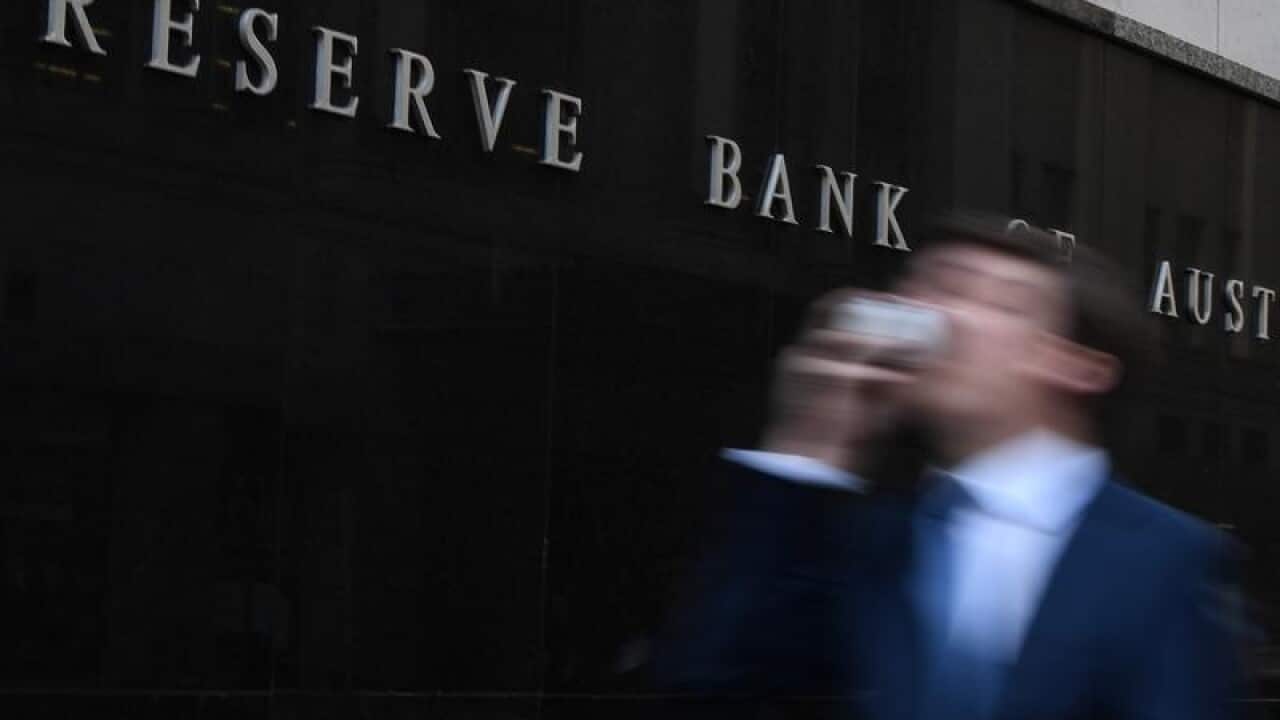
Reserve Bank governor Philip Lowe made no mention of such tensions in his post-board meeting statement, which left the cash rate at a record low 1.5 per cent for another month.
"The recent data have been consistent with the Bank's expectation that growth in the Australian economy will gradually pick up over the coming year," Dr Lowe said.
The decision comes ahead of the June-quarter national accounts on Wednesday which could show economic growth accelerated by around 0.9 per cent after the puny 0.3 per cent rise in the March quarter.
Such an outcome would see the annual growth rate lift to 1.9 per cent from 1.7 per cent, but still shy of a level normally associated with sustainable employment at closer to three per cent.
Economists upgraded their GDP forecasts after new figures estimated net exports - exports minus imports - would contribute 0.3 percentage points to the growth result, stronger than they had expected.
Treasurer Scott Morrison told parliament the positive result comes despite the effect of Cyclone Debbie that hit northwest Australia in late March.
The export data is also along side improved outcomes for retail spending, business investment and government spending in the June quarter, offsetting the expected drag from falling business inventories.
The latest ANZ-Roy Morgan consumer confidence index edged up 0.5 per cent in the past week, building on a 3.9 per cent rise in the previous week amid growing optimism over the performance of the Australian economy.
ANZ senior economist Felicity Emmett agrees the economy has improved during the June quarter after a slow start to the year.
"Business conditions and confidence remain elevated and appear to be translating into stronger business spending, but weak wage growth is dampening consumer sentiment," she said.
This is likely to weigh on household spending over the medium term and act as a constraint on a further the acceleration in economic growth.







