in brief
- In 1982, Taiwanese authorities uncovered an illegal network through which 26 babies had been adopted by Australians.
- An Australian woman, now 46, is still searching for answers about her biological mother and Taiwanese heritage.
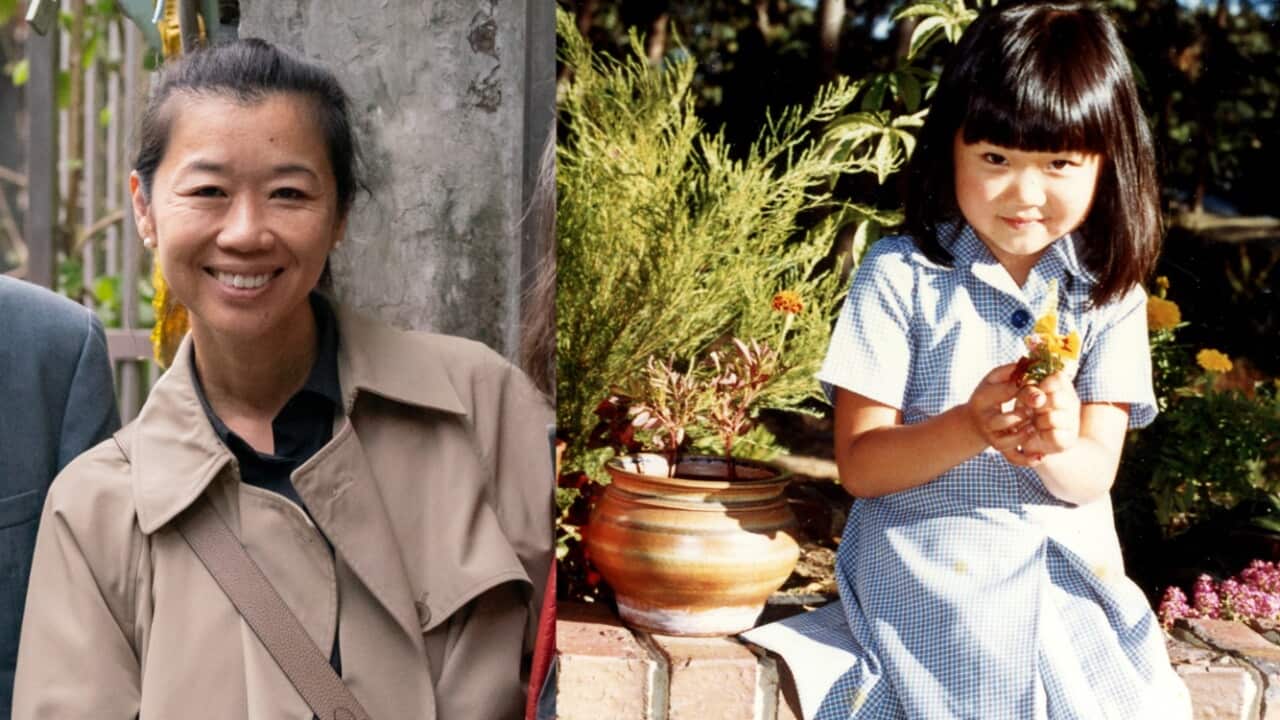
For most of her life, Vanessa Miles believed the official documents that accompanied her adoption from Taiwan told the story of who she was.
The 46-year-old Adelaide woman was adopted by an Australian couple when she was just three months old.
She had kept her birth certificate and Taiwanese passport, and later discovered she was connected to one of Taiwan's most notorious illegal international adoption scandals.
"The details around my adoption and my birth are quite unknown. Unfortunately, I was sold as a small baby by a woman named Chu Li-ching and an illegal adoption network," she said.
To this day, she has been unable to find her biological mother, and her birth documents have only become part of the mystery.
News that makes sense
Your trusted source for staying up-to-date with the world around you. Get free daily news updates and analysis, straight to your inbox.
Illegal adoptions
In 1982, Taiwan was rocked by a major illegal intercountry adoption scandal.
The alleged masterminds, Chu Li-ching and her husband, were accused of falsifying babies' identities and illegally arranging overseas adoptions.
Some of the children involved came from disadvantaged families or were voluntarily relinquished by single mothers unable to raise them.
Others were suspected to have been taken without consent from parents.
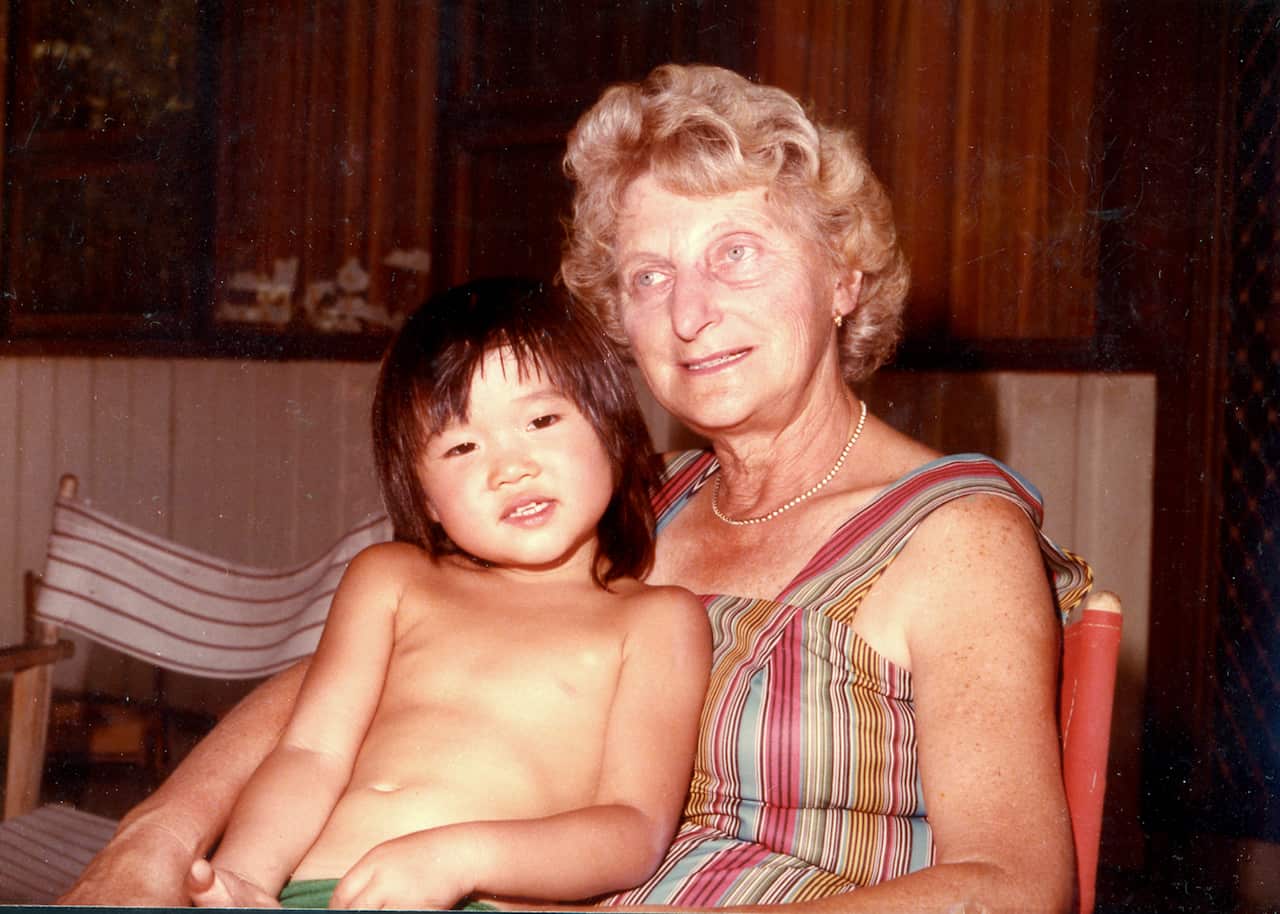
At least 63 babies were reportedly sent to families in Australia, the United States and Europe.
Around 26 were adopted by Australian families.
It was only last year, after beginning an online search into her past, that Miles realised she was among them.
"From my baby Taiwanese passport, I know that I was one of the Chu Li-ching babies," Miles said.
Searching for answers
International Social Service Australia deputy CEO Damon Martin said many adoptive families had assumed the documents they received from overseas agencies were legitimate.
After discovering their paperwork was fraudulent, adoptees trying to trace their origins faced an enormous challenge, he said.
"It's extremely difficult, especially if there's fraudulent papers or there's been illicit activities. It's difficult to find someone when you don't know their name," he said.
Miles' birth certificate lists her name as Wen and identifies her mother as Li Mei.
Hoping those details would lead her to the truth, she travelled to Taiwan for the first time in May 2025.
"We went to the police station where I left my DNA hoping for a match, and I also met with the competent authority, and I spoke in front of the media. However, none of these avenues returned any result," Miles said.
After returning to Australia, Miles also applied for a Taiwanese passport, believing her original baby passport would make the process straightforward.
"However, after a period of time, it was discovered that there was actually another woman with the same name as me: Wen, the daughter of Li Mei," Miles said.
Meanwhile, Taiwanese officials contacted Li Mei, who denied being Miles' birth mother and declined to undergo DNA testing.
"They said to her, 'We found your daughter in Australia, and would you like to meet her?'" Miles said.
"She said something along the lines of, 'I would have to think about that because I have another family now.'"
Li Mei never spoke to the authorities again.
'Made to feel' not Taiwanese
Soon afterwards, Miles' passport application was rejected because authorities could not verify her birth, and her household registration in Taiwan was cancelled.
"This felt extremely unfair and unjust to me," Miles said.
"If I'm the victim of this crime, which I believe I am, I don't believe that I should be punished and made to feel like I'm not a Taiwanese person."
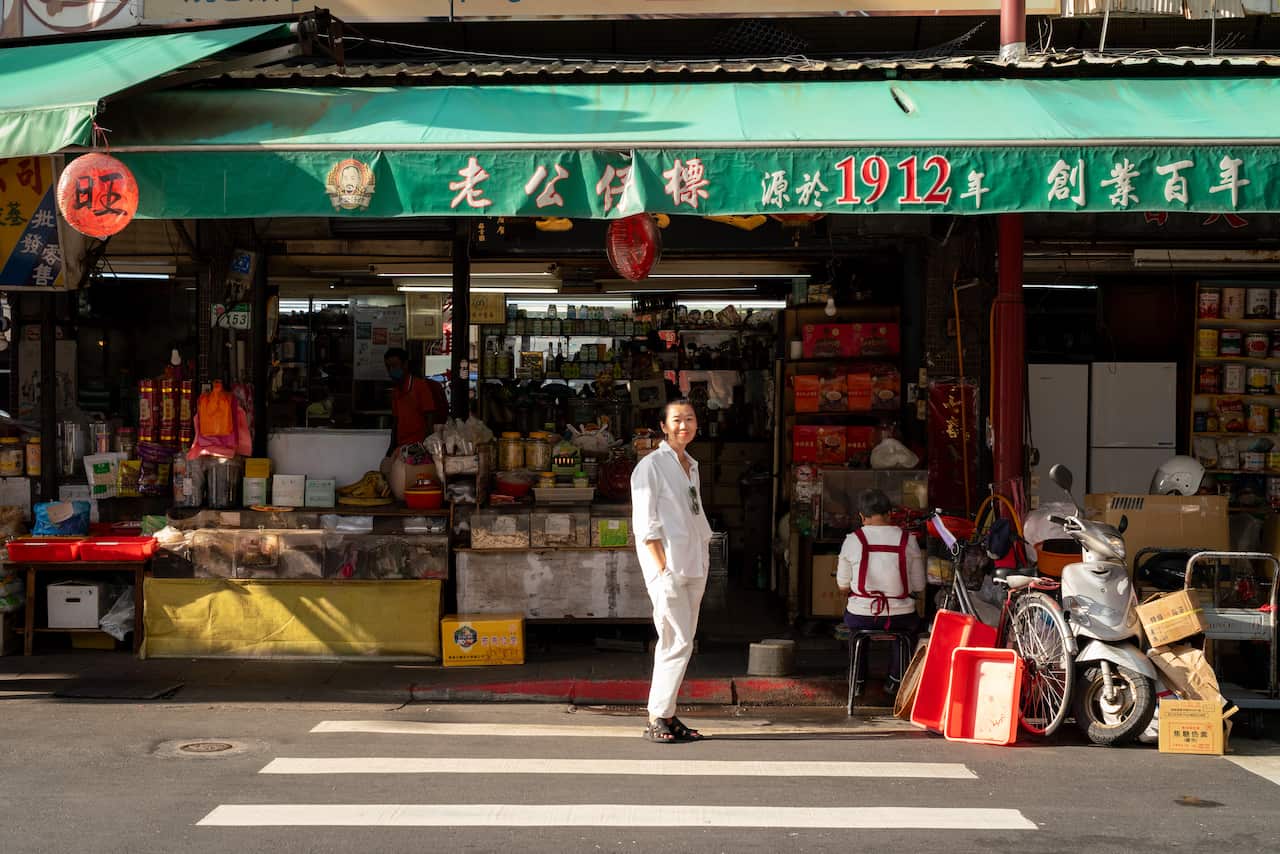
Determined not to give up, Miles returned to Taiwan with her husband.
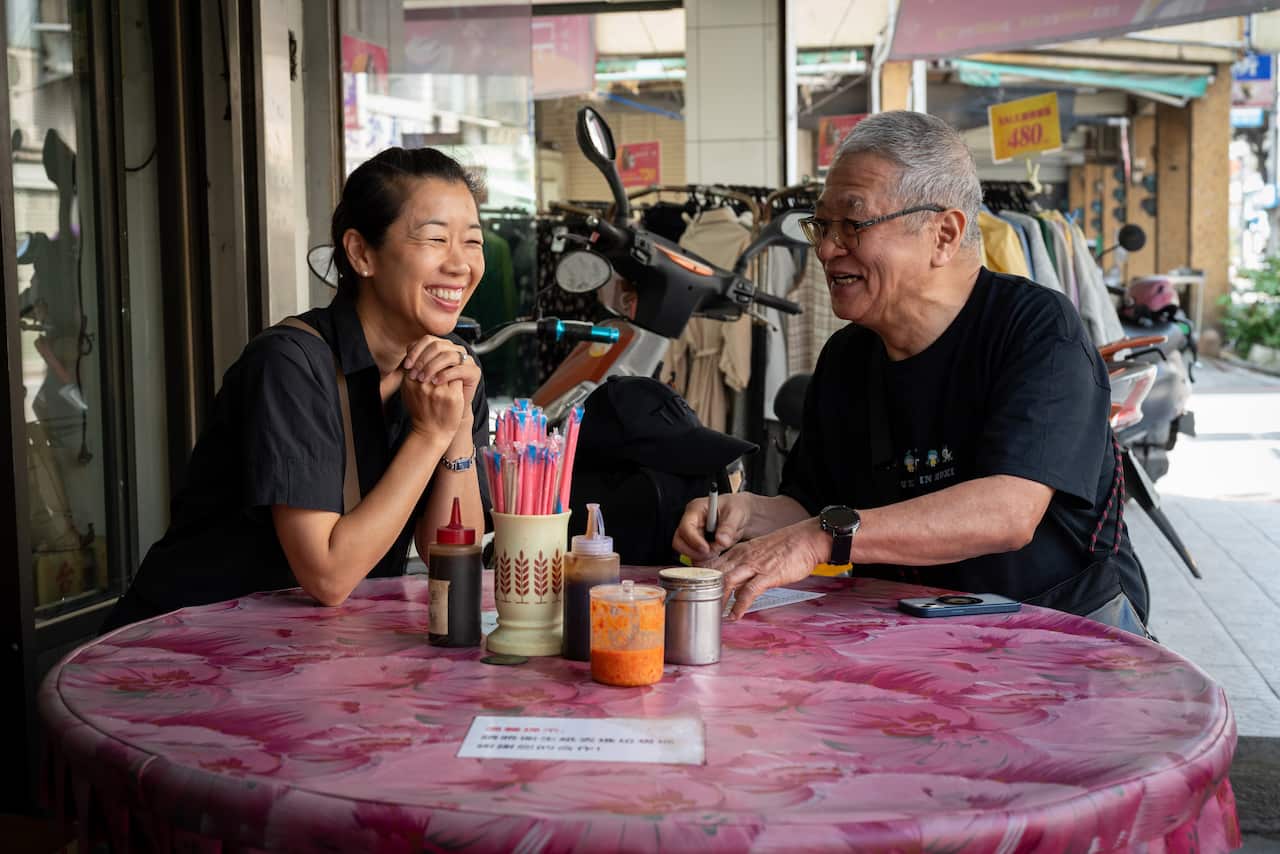
Assisted by retired journalist George Gao, she held a press conference urging the Taiwanese government to reconsider her case.
"I hope to persuade her biological mother to come forward and do a DNA test," Gao said.
"At least Vanessa can know whether there is a blood relationship between her and this Li Mei."
While Li Mei never came forward, the media campaign had some success.
In June 2026, after her application was reviewed, Miles received a new Taiwanese passport.
"The day that we went to collect my passport was really one of the most meaningful days of my whole life," she said.
"For me, the Taiwanese passport and citizenship were about a sense of belonging and feeling a connection to the place that I was born."
'Lost within two worlds'
For Miles, reclaiming her citizenship was only a part of a much longer journey.
She said childhood experiences of racism and feeling disconnected from both Australia and Taiwan had delayed her investigations into her origins.
"Growing up, I think that my adoptive parents struggled quite a lot to identify with me as their child," she said.
"Although I came here when I was three months old, I never really felt fully accepted as Australian."
Martin said that feeling is common among intercountry adoptees.
"Many adoptees talk about not fitting in Australia, but also when they go back to their country of origin not fitting in there either," he said.
"They really feel lost within two worlds."
After Taiwanese media covered her story, two childhood friends of Li Mei contacted Miles and took her back to the village where the woman had once lived.
"Being in that village with those women sharing that experience really was one of the most meaningful things that has ever happened to me," Miles said, as she reflected on the place she had spent her first three months in.
Despite these breakthroughs, she never found her mother.
"I will not force her to have a relationship with me," Miles said.
"I simply want to know whether she's my mother or not."
This story by SBS Chinese and produced for SBS News by Cameron Carr.
For the latest from SBS News, download our app and subscribe to our newsletter.