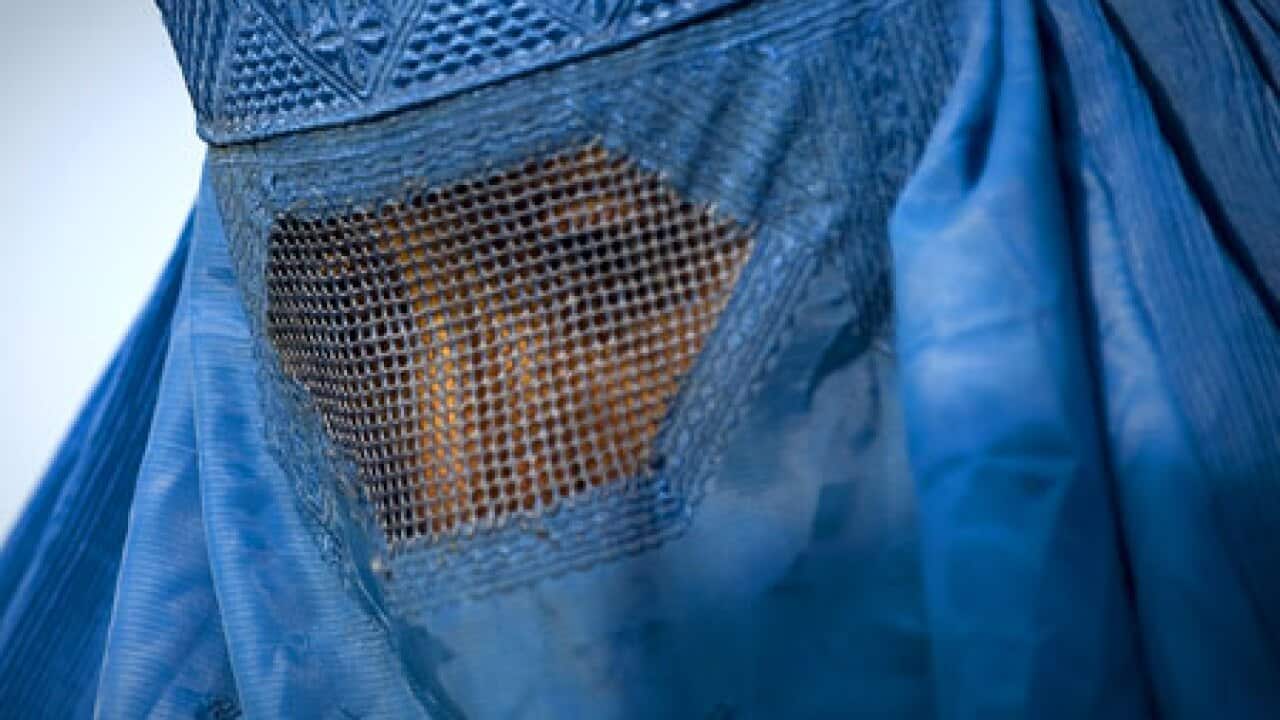
A European human rights chief says banning the burqa and niqab would be an 'unreasonable' invasion of personal privacy, and wouldn't liberate oppressed women.
Thomsas Hammarberg, the Council of Europe's human rights commissioner says it could lead to further alienation of some women in society.
Supporters of a ban have not shown that women who wear the veil are more oppressed than others, Hammarberg said, nor that the veil undermines democracy or public morals.
News that makes sense
Your trusted source for staying up-to-date with the world around you. Get free daily news updates and analysis, straight to your inbox.
"Prohibition of the burqa and the niqab would not liberate oppressed women, but might instead lead to their further alienation in European societies," he said.
'Invasion of individual privacy'
"A general ban on such attire would constitute an ill-advised invasion of individual privacy."
Depending on its terms, he said, a ban might also breach the European Convention on Human Rights.
Several European countries have been considering banning the veil, including Austria, Denmark and the Netherlands.
Burqa unacceptable: French parliament
In January a French parliamentary report called for a ban on the burqa and niqab, saying Muslim women who fully cover their heads and faces posed an "unacceptable" challenge to French values.
Hammarberg said that the small number of women who wear the veil -- around 1,900 in France, which is home to Europe's largest Muslim community -- made the idea that it undermines democracy, public safety or morals unconvincing.
Women interviewed in the media about why they wore the veil gave a range of reasons, he said.
"There may of course be cases where they are under undue pressure - but it is not shown that a ban would be welcomed by these women," Hammarberg said.
"Rightly, we react strongly against any regime ruling that women must wear these garments. This is absolutely repressive and should not be accepted."
But banning the same clothing in other countries did not remedy this situation, he said, and governments should avoid passing laws on how people dress themselves.
Banning the veil would be as bad as it would have been to criminalise the cartoons of the prophet Mohammed that caused a storm when published in a Danish newspaper in 2005, Hammarberg said.







