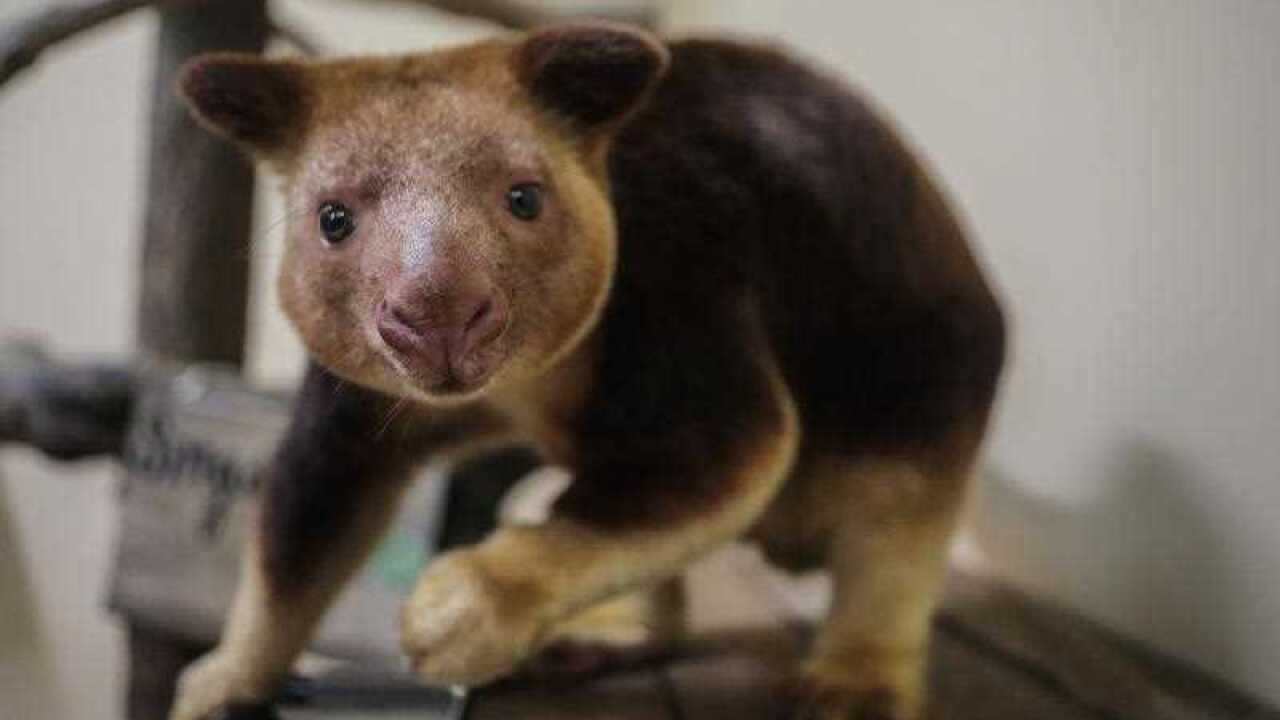
Hundreds of wild mammal species are being "consumed to extinction" by humans using them for meat, ornaments, medicinal products and the pet trade, scientists say.
Hunting and trapping is said to be driving a global crisis that threatens the future of 301 species ranging from monkeys to bats.
Their decline is having a significant environmental impact and undermining the food security of millions of people in Asia, Africa and South America, according to a global assessment by experts.
The authors sounded the warning after analysing data from the International Union for the Conservation of Nature (IUCN) Red List of threatened species.
Large and small animals, including wild ox, camels, pigs, fruit bats, rhinoceroses, tapirs, deer, tree kangaroos, armadillos, pangolins, rodents and big cats, were found to be at risk.
News that makes sense
Your trusted source for staying up-to-date with the world around you. Get free daily news updates and analysis, straight to your inbox.
Hunting endangered 126 primates, which was more than any other group, said the international team of researchers writing in the journal Royal Society Open Science.
Among the primates under threat were the lowland gorilla, chimpanzee, bonobo and many species of lemur and monkey.
Study leader Professor William Ripple, of Oregon State University in the US, said: "Our analysis is conservative. These 301 species are the worst cases of declining mammal populations for which hunting and trapping are clearly identified as a major threat. If data for a species were missing or inconclusive, we didn't include it.
"Our goal is to raise awareness of this global crisis. Many of these animals are at the brink of extinction. The illegal smuggling in wildlife and wildlife products is run by dangerous international networks and ranks among trafficking in arms, human beings and drugs in terms of profits."
People around the world depended on wild meat for part of their diet, the authors said.
An estimated 89,000 tonnes of bushmeat with a market value of about $US200 million ($A260 million) was harvested annually in the Brazilian Amazon alone, while exploitation rates in the Congo basin were thought to be even higher.
Overhunting of mammals was mainly concentrated in countries with poor populations. As hunters found it harder to feed their families, they were likely to switch to less preferred species, migrate, or suffer from malnutrition and disease.
Much of the meat from wild animals was sold in markets and destined to become urban restaurant delicacies, the researchers said.







