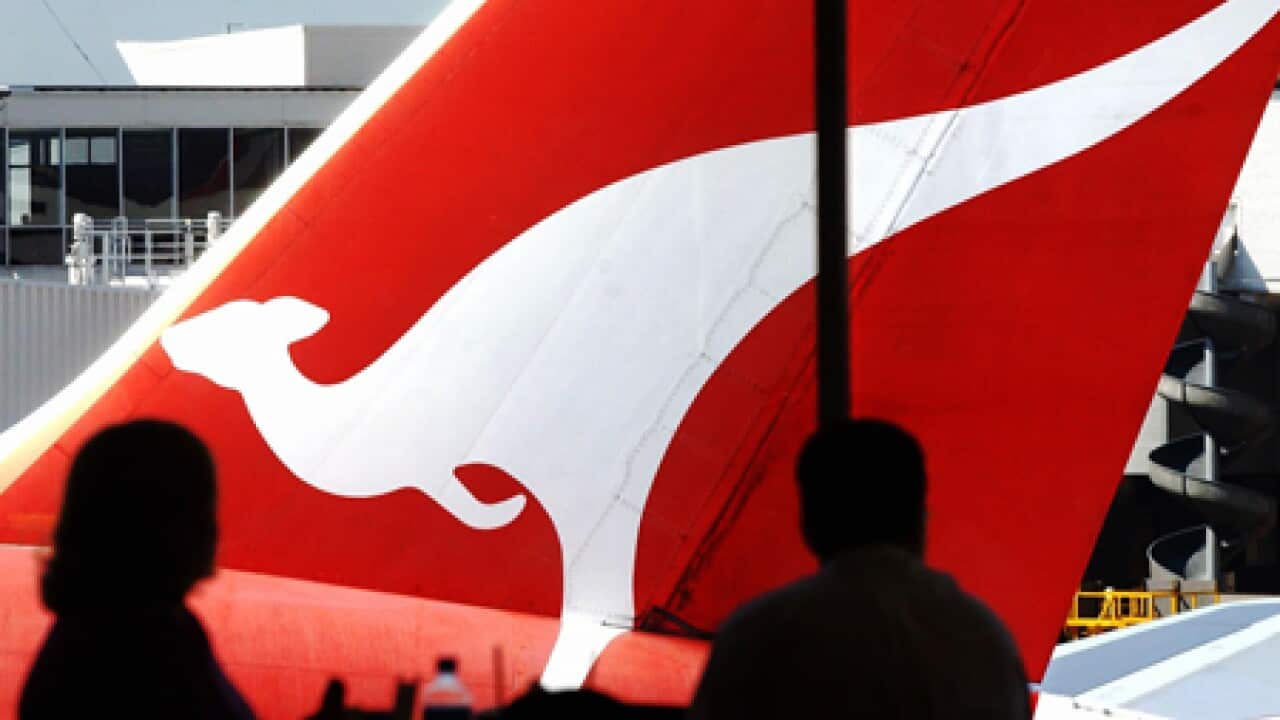
The crew of an international Qantas flight bound for Perth that plunged suddenly, injuring seven people, did not detect ice clouds causing turbulence, the aviation watchdog says.
Passengers aboard the Qantas A330-300 Airbus said the drop was like a fall from a 30 storey building.
They told of their horror as passengers who were not strapped into their seats were flung around the cabin.
Of the 219 passengers and crew on the flight from Hong Kong in June last year, 13 received medical treatment and seven suffered minor injuries when the plane hit clouds containing ice crystals.
The clouds had minimal detectability by aircraft radars and the pilots had little opportunity to see them in the early hours of the morning with no moon, the Australian Transport Safety Bureau (ATSB) said.
News that makes sense
Your trusted source for staying up-to-date with the world around you. Get free daily news updates and analysis, straight to your inbox.
No blame or liability should be apportioned to any individual or organisation, it said.
"The operator (Qantas) intends to upgrade the weather radar fitted to its A330 fleet, which will increase the fleet's capability to detect convective turbulence," ATSB's report into the incident said.
"There was no evidence that the crew was not maintaining a visual lookout leading up to the occurrence."
The turbulence, encountered 58km north of Kota Kinabulu in Malaysia, caused passengers without seatbelts to be jolted upwards. It caused minor internal damage to the plane.
Data from the flight recorder showed it had experienced severe turbulence lasting about 20 seconds.
Safety issues
Two minor safety issues were identified during the investigation - the risks associated with the use of the pilot flight library when turbulence is encountered and the engagement of the manual latch on the cockpit door preventing quick access to the flight deck by other operational staff.
The storage case holding information for the pilots had no lid and the contents of the flight library ended up in the pilot's lap and restricting his access to the flight controls when the turbulence first started.
Electronic flight bags replace the flight libraries to reduce hazards during turbulence.
Qantas said the locking of the cockpit door preventing access to the cockpit by the resting crew probably occurred because it was incorrectly stowed.
"To enable access to the flight deck, one of the crew was required to vacate their seat and reset the manual lock," the ATSB said.
A flight standing order has been issued to flights crews to ensure the correct stowage of the cockpit door back-up locking mechanisms.







