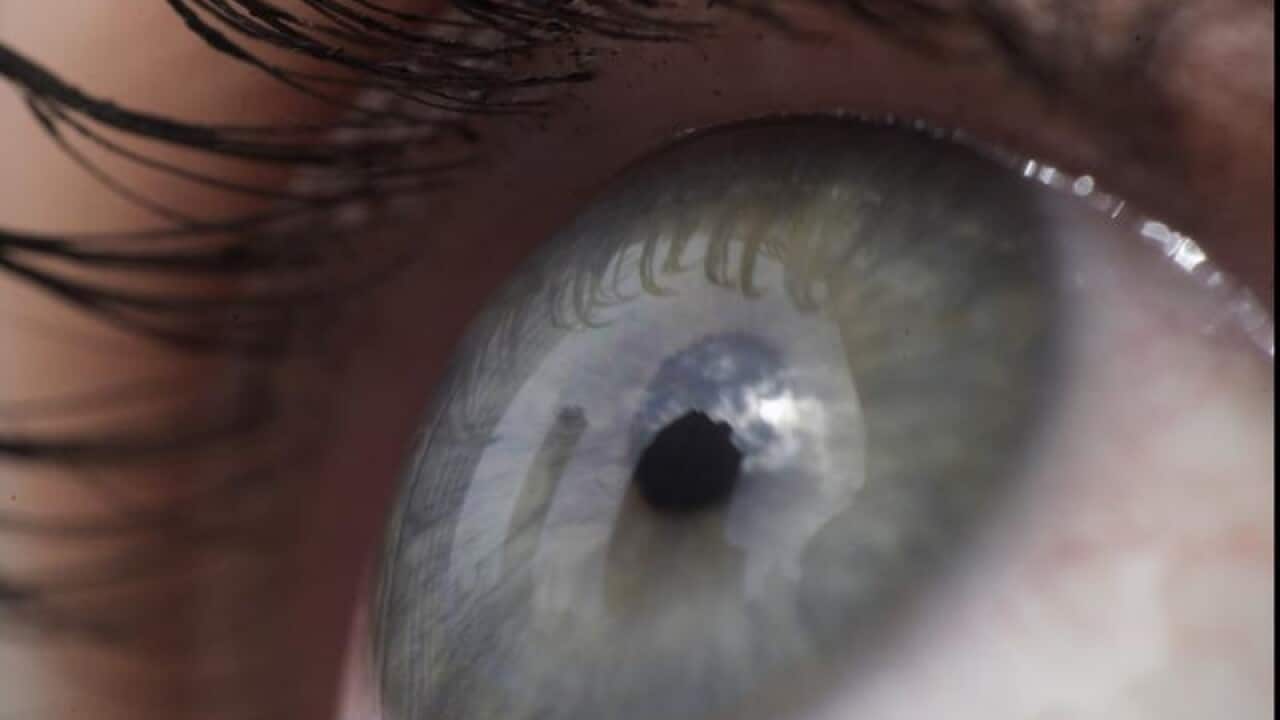
Immune cells found in the eye could be controlling why some people lose their vision younger than others.
A study on mice found a particular mutation in immune cells found in the retina - a thin layer of tissue that lines the back of the eye on the inside - prevented critical photoreceptors, known as cones, from developing properly.
The research breakthrough, led by Dr Andrew Jobling and Professor Erica Fletcher at the University of Melbourne, provides fundamental knowledge on eye health and a greater understanding of macular degeneration - the leading cause of legal blindness in Australia.
It's hoped the findings, published in The Journal of Neuroscience, will eventually improve early detection and potentially prevent vision loss in those with inherited eye diseases.
Photoreceptors are a type of sensory neuron found in the eye that convert light into nerve impulses.
News that makes sense
Your trusted source for staying up-to-date with the world around you. Get free daily news updates and analysis, straight to your inbox.
Essentially, they are what allows people to see during daylight.
Professor Fletcher says for the first time they have shown that immune cells have been shown to play an important role in the development of these cones.
"What we found is that immune cells communicate and regulate the health of the neurons (cones) in the retina and in particular are important in how the neurons allow us to respond to light," said Professor Fletcher.
The optometrist says this is fundamental biology but could explain why people with this particular mutation develop age-related eyes diseases, like macular degeneration, earlier than others.
"If you have a lower number of these cells that help us see during the day, these cones, that means that you will get these diseases like macular degeneration earlier," Professor Fletcher said.
It is "absolutely" possible this new understanding will have clinical implications in the future, she said.
"What we've uncovered is a particular mechanisms in which immune cells regulate cones. By understanding that mechanism we will be in a position hopefully to develop therapeutic tools that would target that particular signalling pathway, and that would mean instead of the cones being lost earlier in your life there would be a way to control the number of cones you have in your retina."







