Military service by Indigenous Australians has never been highlighted at the Australian War Memorial.
But that's about to change, as the Memorial commissions its first Indigenous official war artist.
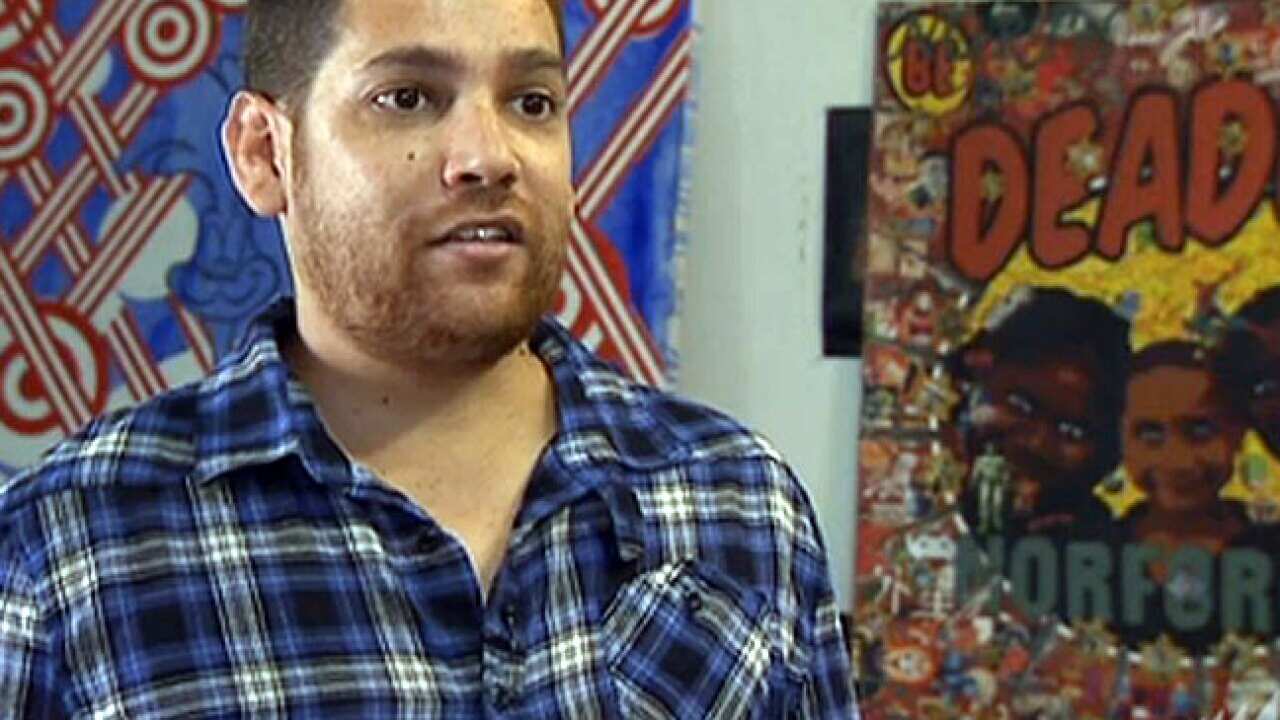
Tony Albert has been attached to a unit in the north of the country, made up mostly of Indigenous Australians.
Camping in uniform in the far north had a special meaning for the Sydney-based artist.
“It felt like the right thing for me to do given my family history,” he says.
News that makes sense
Your trusted source for staying up-to-date with the world around you. Get free daily news updates and analysis, straight to your inbox.
That family history includes Tony Albert's grandfather who served in the Second World War, and seven of his eight children - including Tony's father - following in his footsteps.
However during his grandfather's time, it was often thankless work.
“On returning to Australia, servicemen and women were given land as part of their settlement,” says Tony.
“But Aboriginal men and women weren't. Not only not given that land, [they] were still getting their land taken off them.”
It's a part of Australia's military history that has gone largely undocumented.
“I think one of the failings that we can be accused of is not sufficiently illustrating and highlighting the role of Indigenous Australians,” says the Australian War Memorial's director, Brendan Nelson.
In an Australian first, Tony Albert was attached to the North West Mobile Unit - or Norforce -- which patrols much of Australia's northern land mass and waters.
Indigenous troops make up more than half of the unit.
“Many people that I was serving with actually were from these remote communities and didn't even have an understanding that a place like the war memorial existed,” says Tony.
When Tony Albert's works go on display at the War Memorial they'll be part of the Official War Art Scheme -- the longest-running and largest art commissioning program in Australia.
It's a collection of 36,000 artworks -- from Will Dyson's observations of the First World War to Ben Quilty's works from Afghanistan.
That's a “pretty good lineage”, whether you're an Indigenous or non-Indigenous Australian, says Brendan Nelson.
WATCH THIS STORY ON YOUTUBE:







