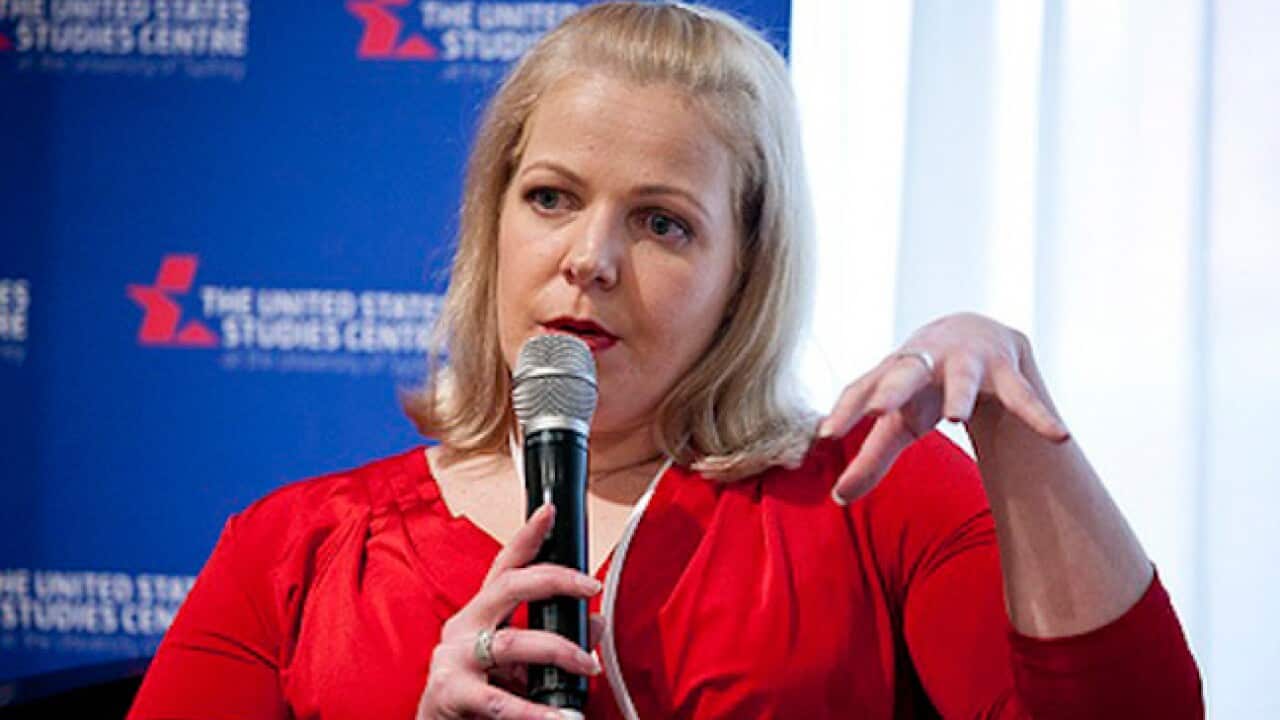
Leading Australian counter-terrorism analyst Leah Farrall talks, in between blackouts and the late-night street din in Alexandria, Egypt where she is currently on a study visit, about why one of the most senior mujaheddin figures granted her a series of interviews for her blog.
“I read his book," she says, simply.
Abu Walid al Masri was on the same plane to Afghanistan as Osama bin Ladin and was one of the first Arab mujahed fighters to openly criticize al Qaeda.
News that makes sense
Your trusted source for staying up-to-date with the world around you. Get free daily news updates and analysis, straight to your inbox.
A prolific writer, Al Masri said his contact with her was a "step towards a common understanding” and the two seemed to establish a common respect.
The mutual intercourse helped cut through pervasive myths about the group and Leah Farrall moved further away from the senior counter-terrorism posts she once held in the Australian Federal Police and she became a highly-critical academic on the 'war on terror'.

l
Mujaheddin fighters who took Gardez in Afghanistan in 1992.
In fact, she blogged that she was “sick and tired of watching what are in my view amoral, legally questionable, and counterproductive practices that go against democratic principles and universal human rights being justified and enacted as 'counter terrorism'.
If you look at what terrorism actually does as a tactic, it's designed to provoke a reaction, an overreaction, that ends up violating the rights of those they are targeting," she said.
“The framing of the entire campaign as being within a war narrative and outside of the rules of war, has very much given political oxygen to al Qaeda.
"Terrorism and counter-terrorism is the only 'war' I can think of where you do exactly what your enemy wants you to in response,” she said.
A specialist in de-radicalisation trajectories, Leah Farrall has been one of many analysts who take to Twitter to hammer out ideas and share information at the forefront of counter-terrorism scholarship.

Abu Walid al Masri in 1993.
And it's today's forefronts of counter-terrorism, and the flow of succession between al Qaeda generations that are hotly discussed, as analysts scramble to keep up to date emerging figures.
“Bin Ladin and others were actually in some contexts are a moderating force,”
“You have a new and old generation in Yemen that are a concern with al Qaeda in the Arabian peninsular, Somalia is a new generation with but again with a few older figures floating around. Iraq is resurging again. Al Qaeda in Pakistan is not down-and-out yet and then there's Syria, which has the potential to get very messy and internationalised [attracting Foreign-born mujahedeen) in a way that Afghanistan was,”
The adage, she said, is that when older elephants are killed, the younger elephants misbehave.
“With the advent of suicide bombing with backpacks on, I does mean we might start to see more indiscriminate use of those tactics where it's not done to pursue a purpose it's just done as an end in itself,”
Leah Farrall remains one of the few academics who has, apart from analysing counter-terrorism from the point of view of “the other”, progressed counter-terrorism beyond ideas of justice and retribution.







