
This audio is voiced by AI and may occasionally mispronounce words.
Share your feedback and help us improve this feature. Read more about how we use AI at SBS here.
The approach to North Sullivan's home is a magical journey through winding eucalypt-lined roads, where traffic signs warn of wombats and roaming horses greet passing cars.
The driveway to the 71-year-old's home — aptly named Wombat Gully — is situated on the doorstep of Yengo National Park, part of the World Heritage-listed Greater Blue Mountains area, around two hours north-west of Sydney.
His property is one of 22 clustered in what they call Upper Yango, on the site of a former dairy farm that was subdivided into small hobby farms.
Sullivan says the landholders were a "very disparate community" prior to the Black Summer fires of 2019-20.
But friendships were formed as they fought side-by-side to protect their properties.
News that makes sense
Your trusted source for staying up-to-date with the world around you. Get free daily news updates and analysis, straight to your inbox.
From the ashes of that traumatic experience emerged an enduring lesson: one of the most valuable assets in an emergency are the people around you.
The community is now one of many across Australia taking direct action to reduce the risks of fire and flood, as climate change is projected to increase the frequency and severity of such extreme weather events.
For many residents, reducing the risk is only part of the challenge.
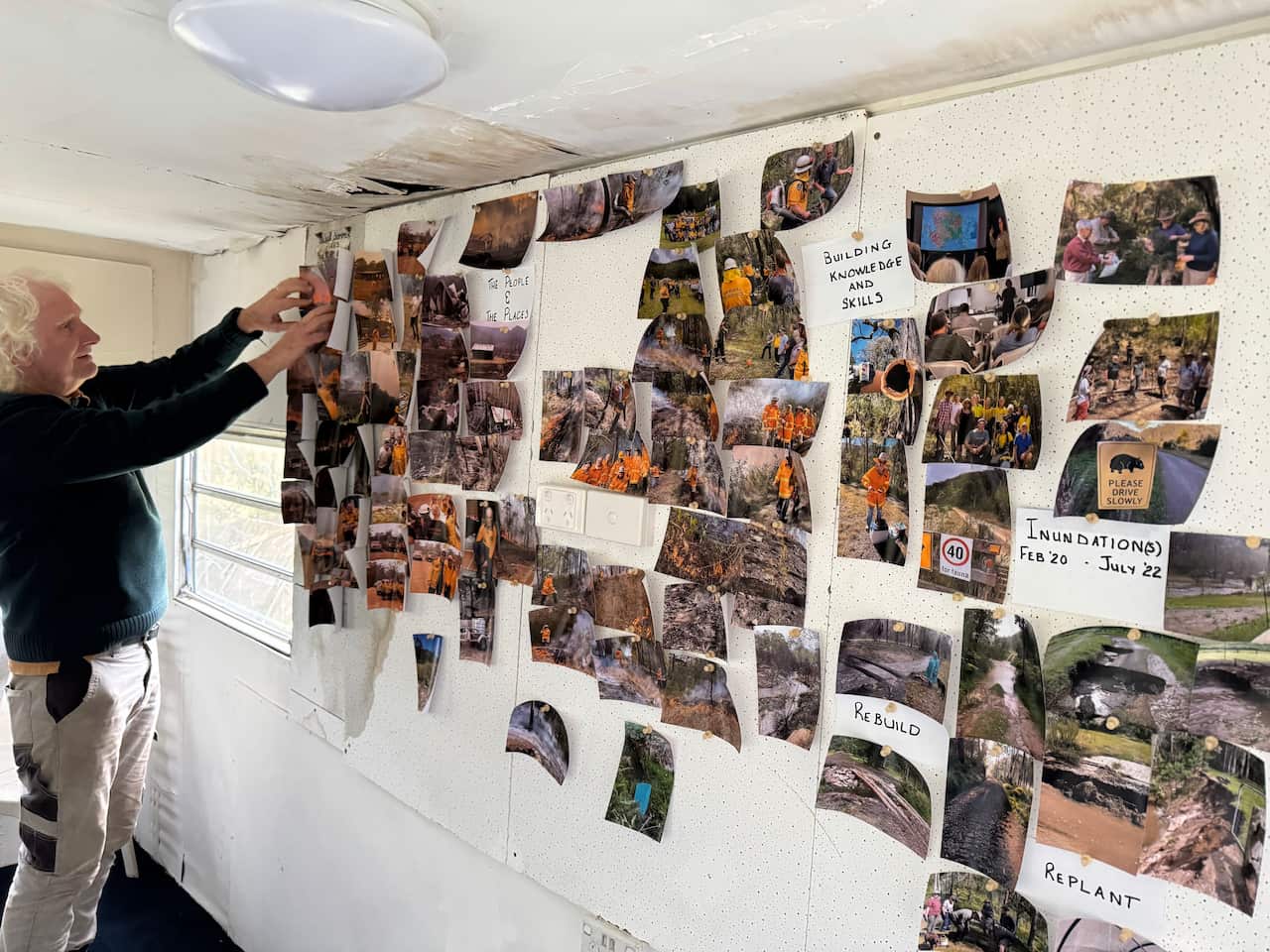
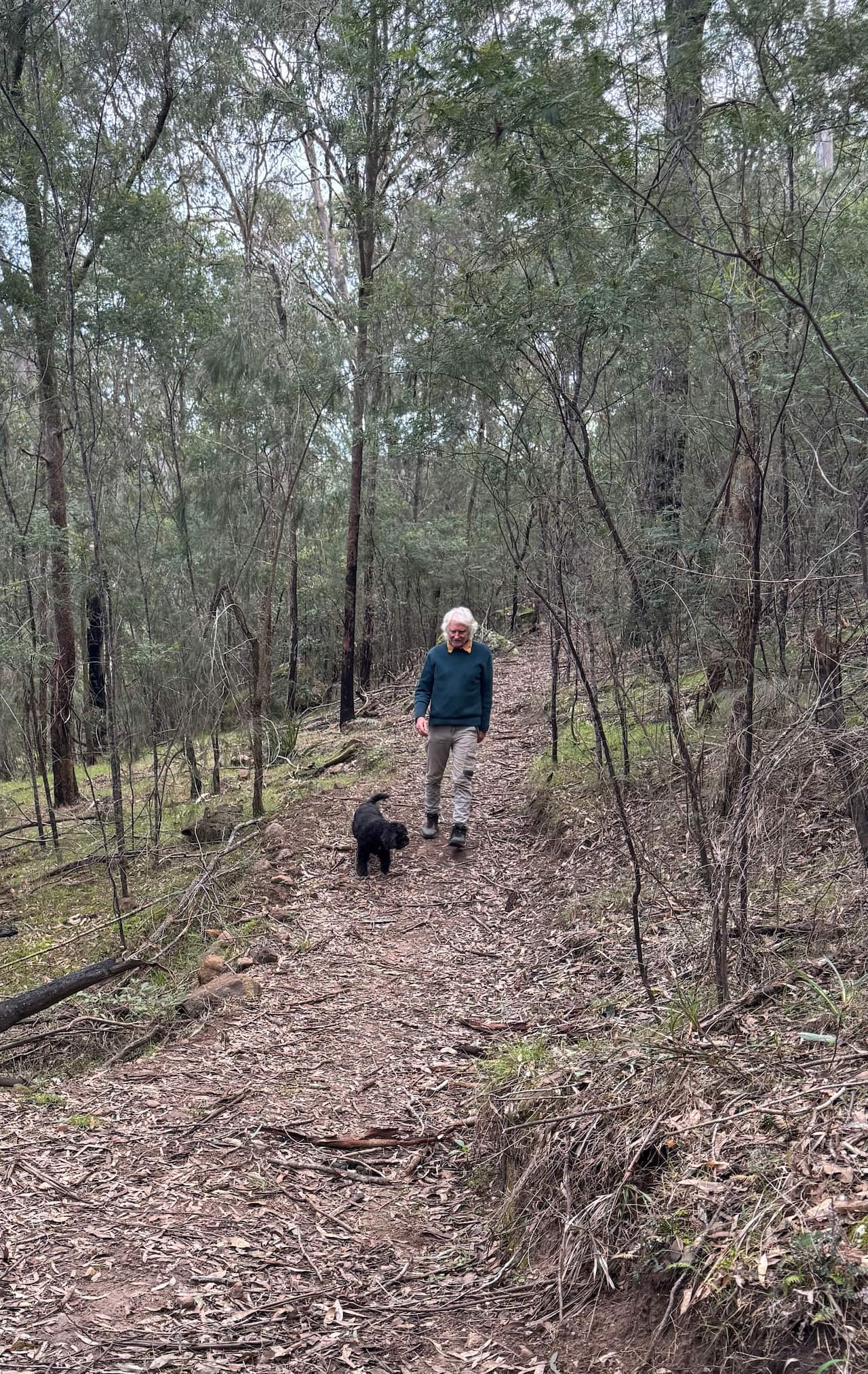
Since the fires, the Upper Yango community has developed wide tracks that double as firebreaks in strategic locations, as well as other measures to reduce fire risk to their properties.
However, Sullivan says these efforts are not reflected in their insurance premiums.
He is just one of many landowners SBS News has spoken to in NSW who are either struggling to find insurance cover or facing rising costs.
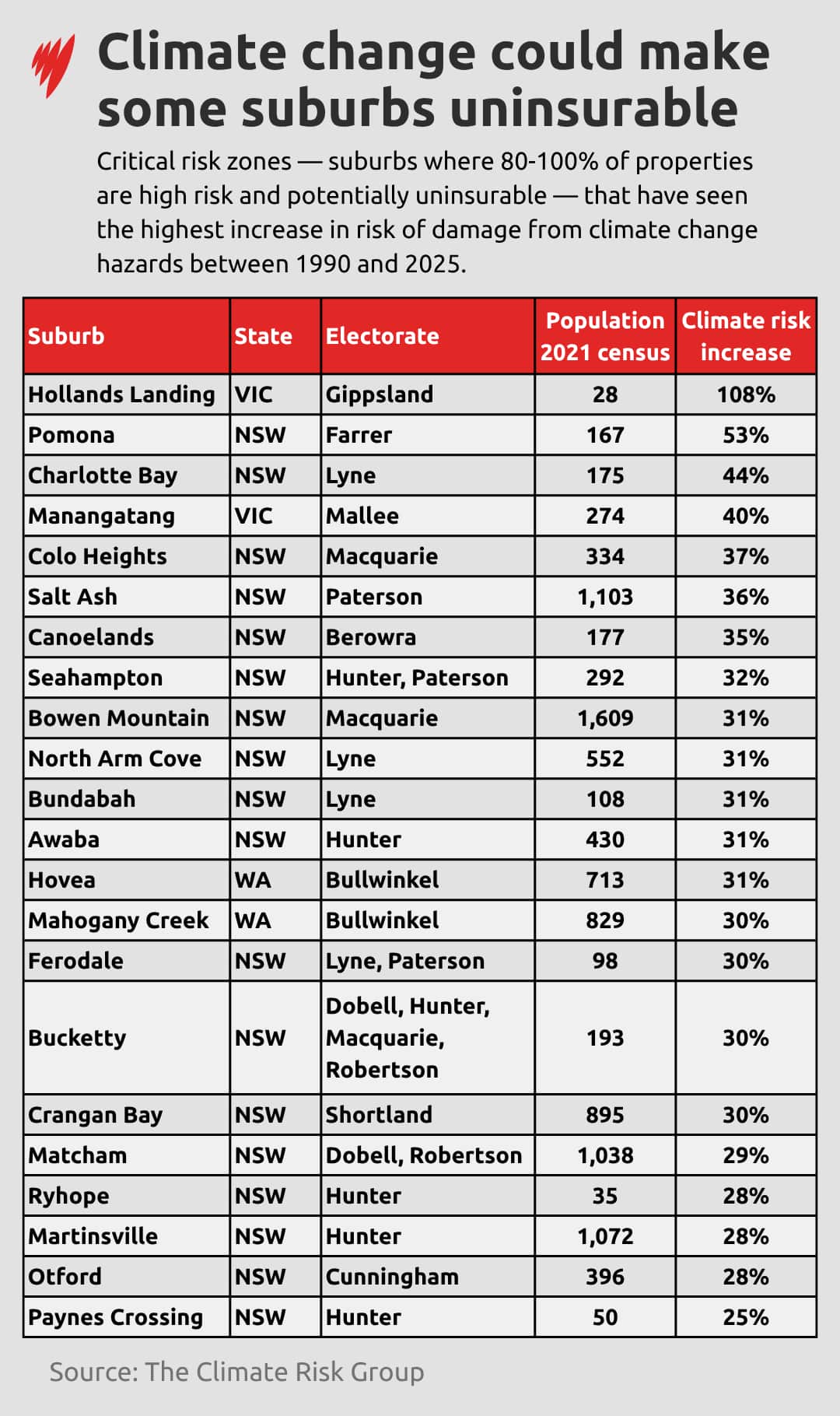
Some experts warn the pressures could leave some communities unviable, with implications that extend beyond remote and regional Australia.
As premiums continue to rise and access to cover becomes more challenging, communities are questioning whether efforts to reduce disaster risk will be enough to keep insurance affordable.
Insurance costs hit homebuyers
Professor Paula Jarzabkowski, an expert on insurance protection gaps at the University of Queensland, says there's already significant evidence that many Australians are struggling to get adequate cover for their properties — either because it's too expensive or because policies exclude specific risks, like certain types of flood or fire.
She says these issues are not isolated to small communities in regional areas.
"Brisbane is built on a floodplain, parts of Sydney are built on floodplains, so we have seen catastrophic flooding in these major cities as well," she tells SBS News.
"We've seen bushfires at the urban bush interface in Perth."
This is not something happening to a few isolated communities, this is something that’s happening in our cities.
Newcastle conveyancer Leah Stevens sold her business in April but says insurance costs appear to have risen, particularly over the past five years.
She says about 30 per cent of the Newcastle local government area is designated flood-prone land, and she began advising clients to always obtain a home and contents insurance quote before exchanging contracts to avoid a "rude shock" once they were already locked in.
"We've had clients that have obtained [insurance] quotes and decided not to proceed with certain purchases," she tells SBS News.
Stevens warns lenders generally require borrowers to have building insurance in place before settlement, and some policies have costs up to $14,000 a year, which can be a significant additional expense for prospective buyers.
Communities at risk of being 'written off'
The data available to insurance companies and banks, such as flood mapping, can now be very precise, allowing risk to be assessed at an individual property level rather than across an entire suburb, explains Karl Mallon, CEO of residential climate risk analysis site Climate Valuation.
But he says access to this level of risk modelling varies across insurers and lenders, and some communities could face challenges if properties are assessed based on broader area-level risks.
"Even though you might have a handful of houses that are okay, the whole community will be written off," Mallon tells SBS News.
What we’re worried about is that the community starts to become unviable.
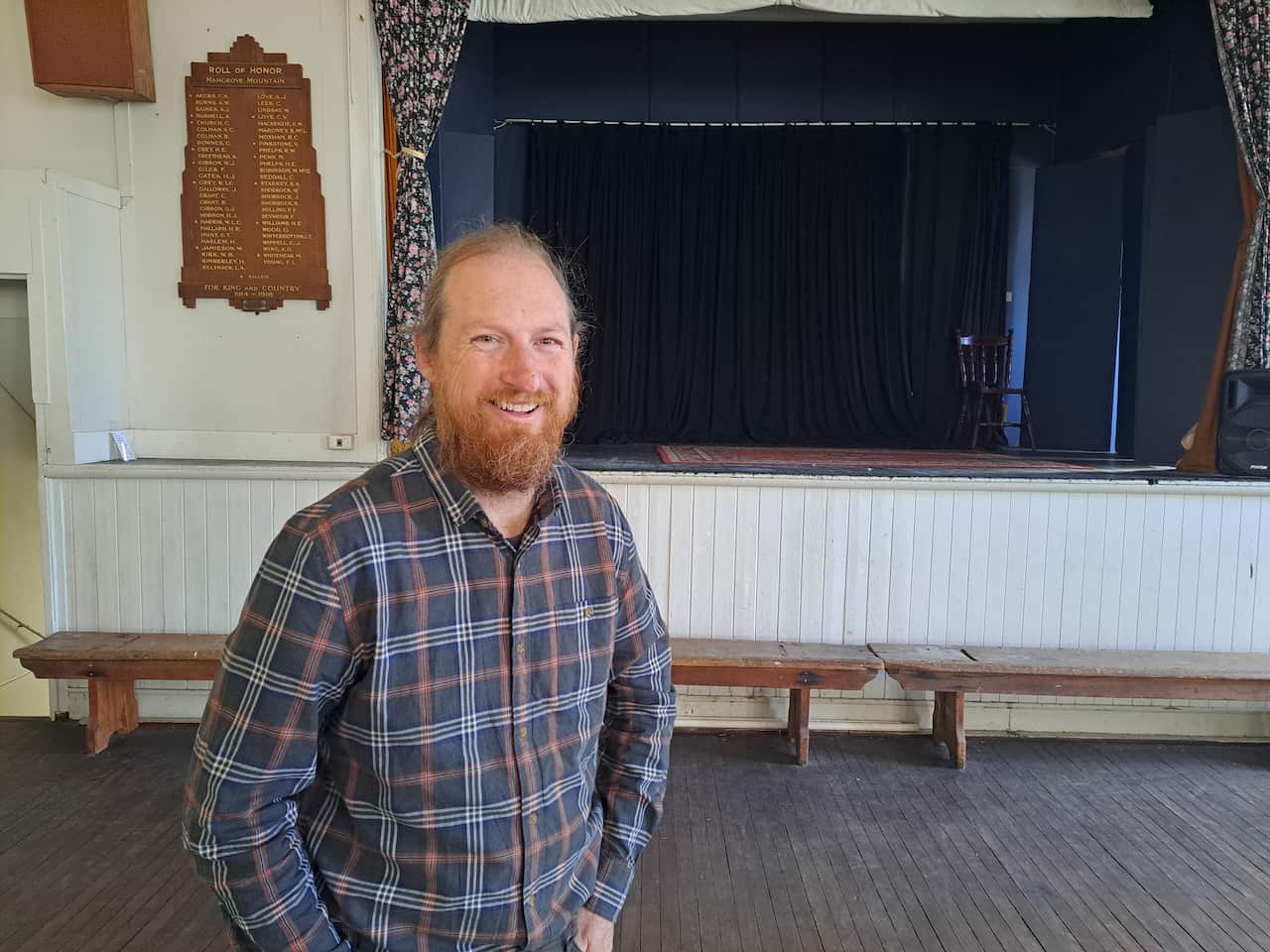
Ryan Howard, president of the Mangrove Mountain and District Community Group, says the organisation has had to ramp up fundraising efforts after its insurer of eight years decided not to provide cover for properties in bushfire zones.
While the group, which maintains the historic Mangrove Mountain Hall in NSW's Central Coast region, was able to find cover with a different insurer, its premium more than doubled from $4,000 in March 2024 to nearly $11,000 this year.
"It's had a really big effect because half our income per year has gone in insurance," Howard tells SBS News.
Howard says the not-for-profit group had to increase its fundraisers and started a regular artisans market to help pay for its premium.
Other local property owners are also struggling with insurance costs and Howard knows some who are choosing not to insure.
The hall's never made a claim in the [eight years] and a lot of the properties, they're in the same boat … but their insurance bill is going through the roof.
An industry snapshot released by the Insurance Council of Australia for 2025 found Australian insurers were facing increased costs, including higher prices for construction materials and rising reinsurance costs — the price insurers pay to transfer part of their risk to another insurer.
"In response to extreme weather costs, last year reinsurers pushed reinsurance costs to 20-year highs globally," the report says.
"Australian insurers faced increases of up to 30 per cent — some of which had to ultimately be passed onto policyholders."
A report from the Actuaries Institute has also highlighted growing affordability pressures, finding premiums for the highest-risk properties had increased by more than 30 per cent in March 2024. The report found 15 per cent of Australian households were experiencing home insurance affordability stress, with premiums equating to more than four weeks of gross household income.
Yasodha Kalutotage, a University of Newcastle PhD candidate researching flood insurance affordability, says some households are finding it difficult to maintain adequate insurance coverage.
"This is not simply an issue for individual homeowners," she tells SBS News.
"It's a broader societal challenge with implications for community resilience, disaster recovery and long-term disaster risk management."
Who bears the cost of climate risk?
Some may argue that people who own properties in higher-risk areas should pay more for insurance, but Jarzabkowski says some homeowners may have found themselves in these circumstances through no fault of their own.
"[The] climate's got worse … they're in a house that was built before these problems," she says.
She says it doesn't make sense economically for homeowners to keep paying insurance premiums once they reach a certain level, for example, if the cost of five to 10 years' worth of coverage exceeds the value of the home.
"So these people, through no fault of their own, are now in a position where they can't cover themselves," Jarzabkowski says.
Properties on flood-prone land are generally charged the highest levies in NSW, for example, but their property values are often among the lowest, and they are owned by households with lower capacity to pay.
This also has implications for the funding of emergency services in the state, because Fire and Rescue NSW, the Rural Fire Service (RFS) and the State Emergency Service are all partly funded through a levy on insurance policies.
If homeowners aren't insured, they aren't contributing to these services.
NSW is the only mainland state in Australia to fund its emergency services this way, although the state government has announced its intention to reform the system.
If Australians want an equitable approach to insurance costs, Jarzabkowski says there needs to be a systemic response to climate change, encompassing land-use planning, supporting legacy assets to become more resilient, and consideration of financial and physical protections.
In countries like France, Spain and, to an extent, Switzerland and New Zealand, a flat-rate surcharge is added to insurance policies to cover damage from natural disasters regardless of the flood or fire risk of the property.
Jarzabkowski says this approach keeps people insured while allowing time for properties to be modified to improve resilience, areas to be rezoned, or people to be gradually relocated.
"We're talking an adaptation process that we need to fund over decades, quite frankly."
Premiums rise despite costly initiatives
Some households are taking matters into their own hands, and Sullivan hopes Upper Yango can serve as an example that fire risks can be reduced through community action.
He also hopes this will eventually be recognised through lower insurance premiums.
"I hope that we can get [insurers] to come on board and reduce premiums for people like us who are actively engaged in building their first protection because that'll motivate people to do it," he says.
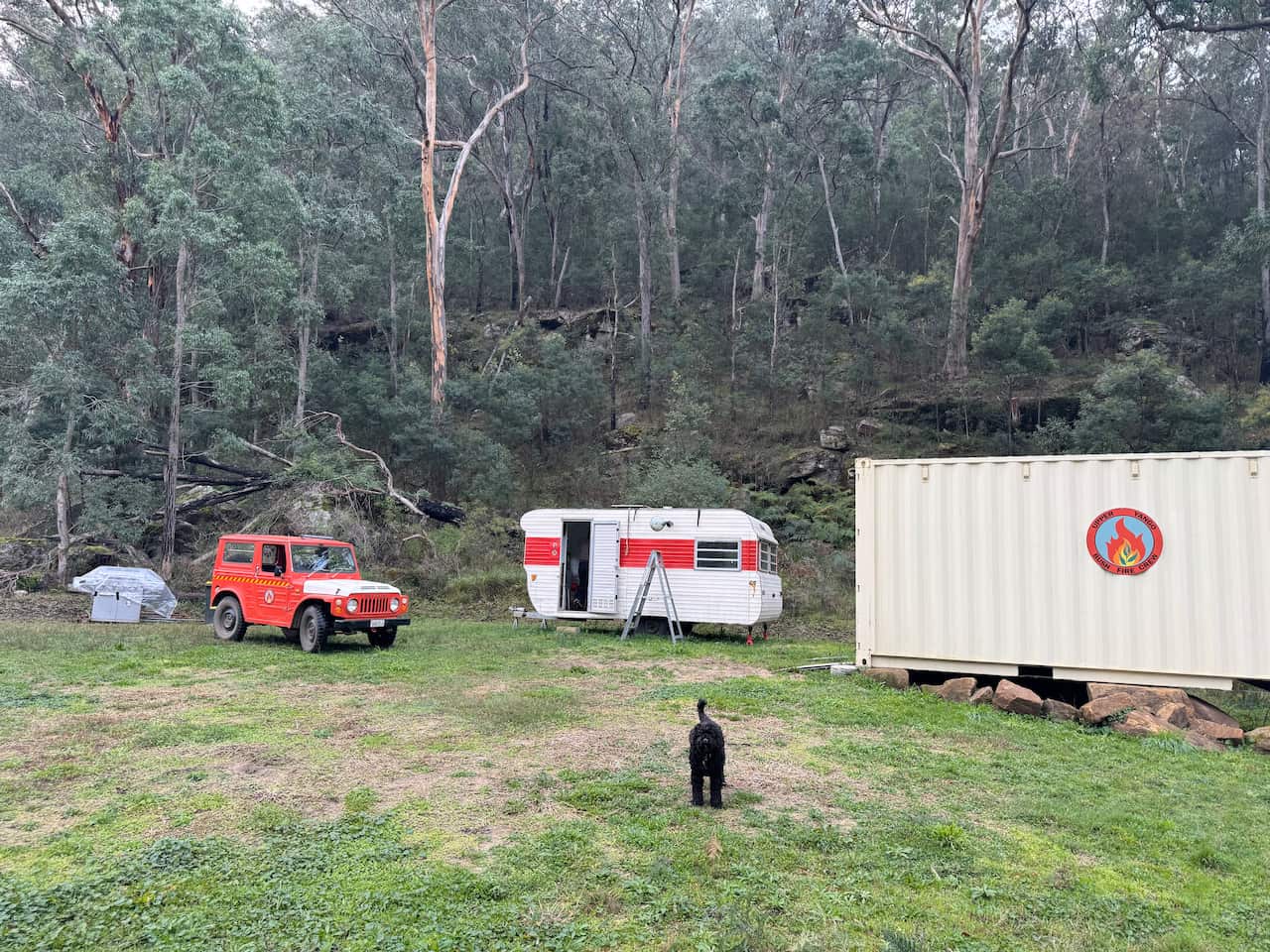
After the Black Summer bushfires, Sullivan and his neighbours formed a not-for-profit organisation, the Upper Yango Landholders Association, and successfully applied for a grant of around $400,000 to help protect their homes.
The money was used to buy personal protection equipment, conduct surveys and install a UHF radio network to ensure they can maintain communications during an emergency.
They also developed what they call a fire defence boundary — a strip of land maintained through mowing and low-intensity burns, which reduces leaves and other vegetation that can fuel fires. It can also provide access for firefighting vehicles.
Despite all the preparation they've put into making their homes more resilient to bushfires, Sullivan says he hasn't noticed any change in his insurance premiums.
After Black Summer, his insurance skyrocketed from under $4,000 to $15,000. He was able to find cover for around $4,000 with a different provider, but has also received quotes as high as $30,000, an amount he says he would rather spend on protecting his property.
Andrew Blamey — an architect who lives outside the town of Bucketty, just down the road from the Upper Yango community — estimates he spent an extra $40,000 to $50,000 while renovating his property to make it as fire-safe as possible.
He hired bushfire consultants to assess the land, and built the house to a higher standard than was required by planning regulations, including heavier grade windows designed to withstand high temperatures, fibre cement cladding and flooring, as well as steel floor framing.
A water tank was installed specifically for RFS use, along with hose reels at the front and back of the house.
"We maintain [fuel petrol] pumps and things so that we can keep that water supply going even without electricity and stuff," Blamey tells SBS News.
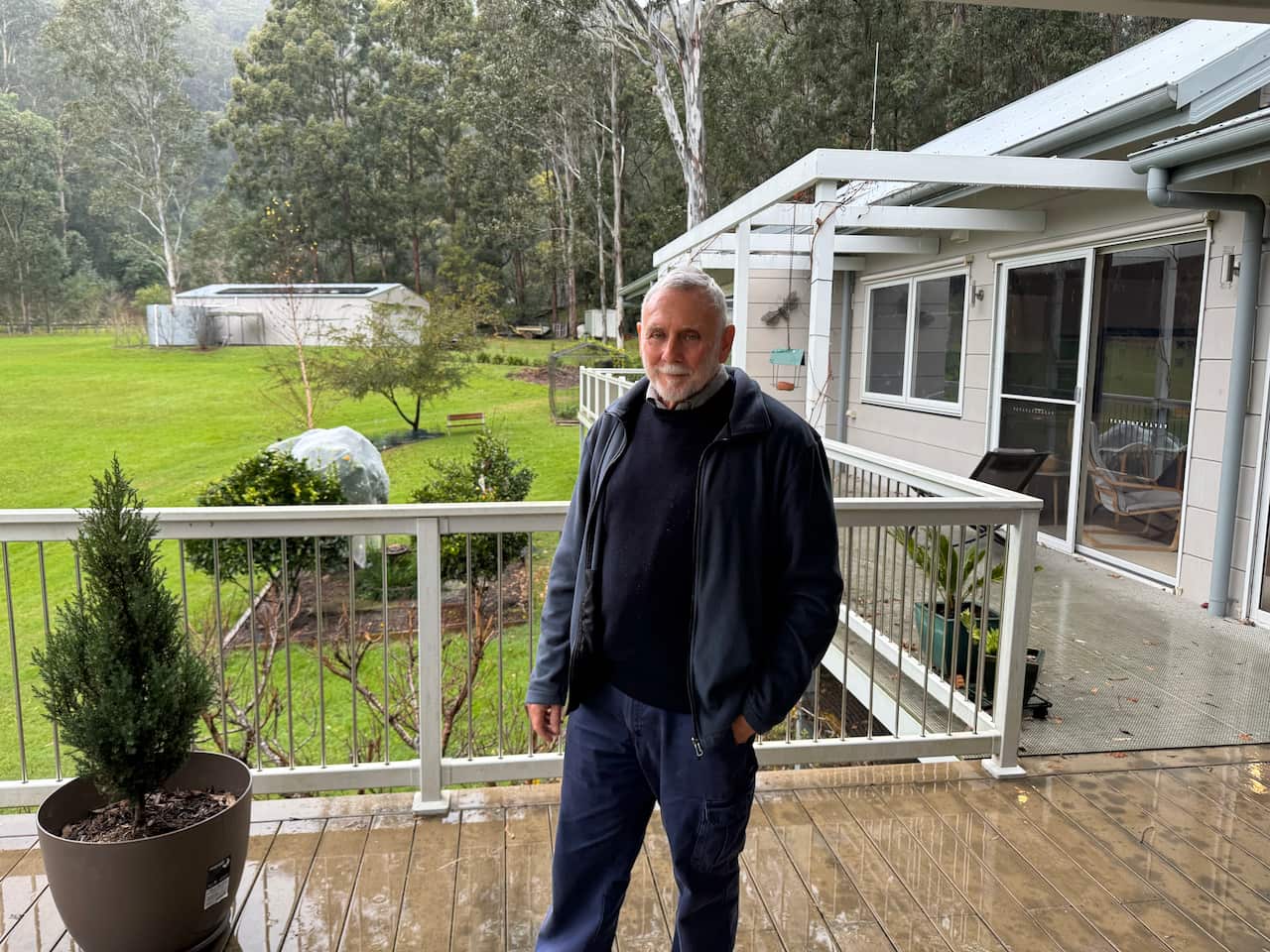
But his premium actually increased by 20 per cent compared with last year, with the cost to insure his property — valued at $1 million — rising to $5,700.
He says the premium for his second property in Sydney, which is valued at $1.4 million, is only $3,300 a year and has risen by just 5 per cent.
This is despite the Sydney property also being built next to a national park and not having the same level of fire-resistant upgrades.
"If you've spent extra money to try and protect your place … it's a significant cost," Blamey says.
"Surely that should get some benefit in insurance."
Insurers say risk reduction can influence premiums
SBS News asked the Insurance Council of Australia (ICA) whether some insurers set a certain price for an entire area rather than considering the individual characteristics of homes when calculating premiums.
A spokesperson says: "Each insurer uses their own sophisticated data sets and risk assessment capabilities to calculate premiums at an address level based on risk exposure."
The ICA acknowledged that property owners can play a crucial role in reducing their risk and potentially lowering premiums through measures like defensible space management and fire-resistant building materials, and says the industry supports that through premium incentives, research partnerships and community education.
It points to the Resilient Building Council's Bushfire Rating App as an example.
The app assesses properties against Australian Standard AS 3959, guiding homeowners through specific upgrades. Higher-rated properties qualify for premium discounts from participating insurers.
"Thousands of households have already used it to reduce their risk and lower their premiums," the ICA spokesperson says.
NSW RFS chief superintendent Kam Baker advises landowners to contact their local RFS office for advice and notes approvals are required for activities like clearing land.
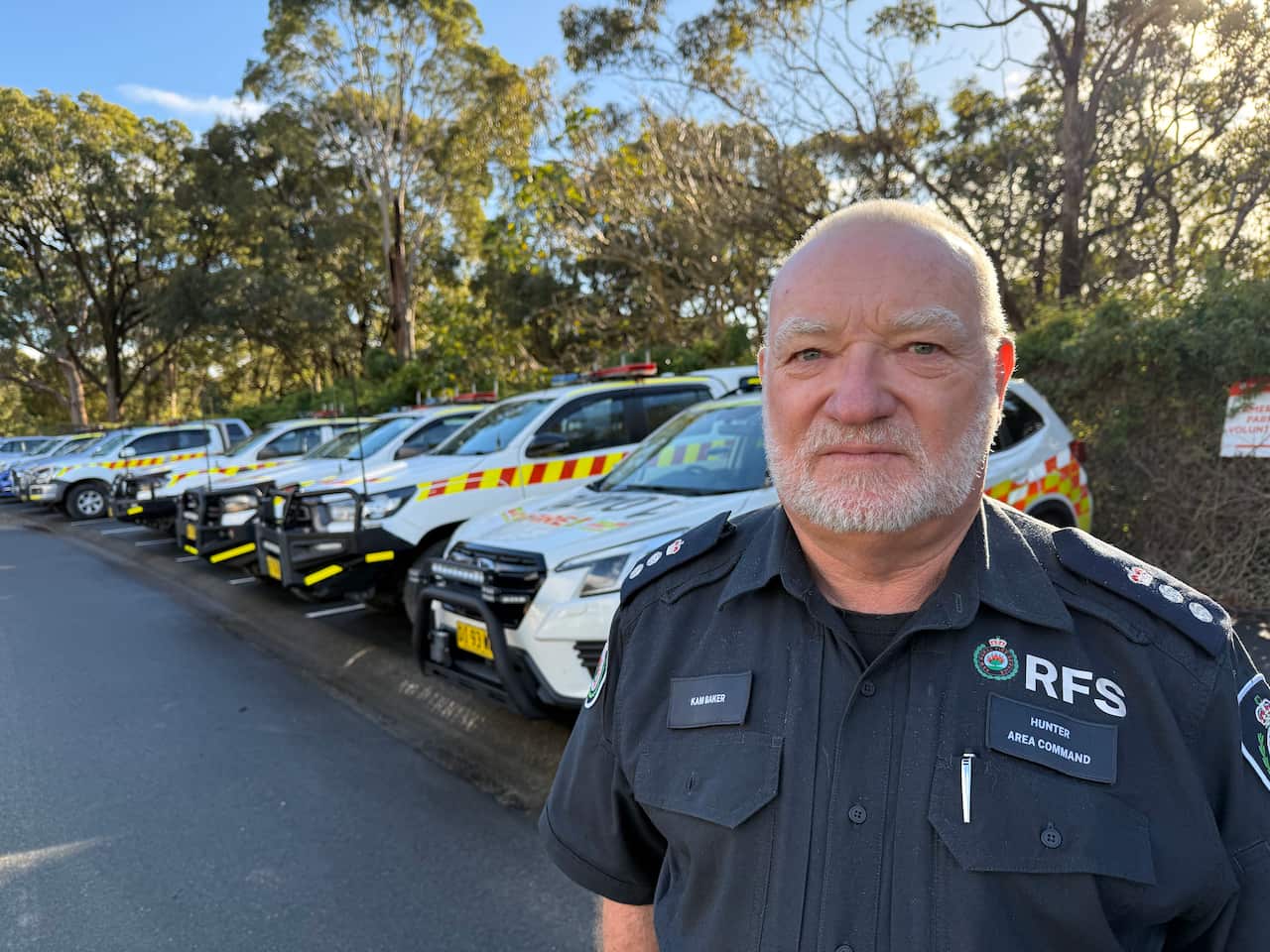
But Baker says the organisation is "100 per cent supportive of landholders preparing their property, getting a community plan together and ensuring the community is ready".
"Out of Black Summer, we definitely saw many homes that were saved because people have prepared their properties," he tells SBS News.
For the latest from SBS News, download our app and subscribe to our newsletter.







