In brief
- Some banks are tipping a September rate rise amid higher-than-expected inflation.
- RBA assistant governor Sarah Hunter said inflation is a "top priority right now".
The Reserve Bank of Australia (RBA) might have to raise interest rates if inflation is higher than expected as oil prices surge back towards US$100 a barrel.
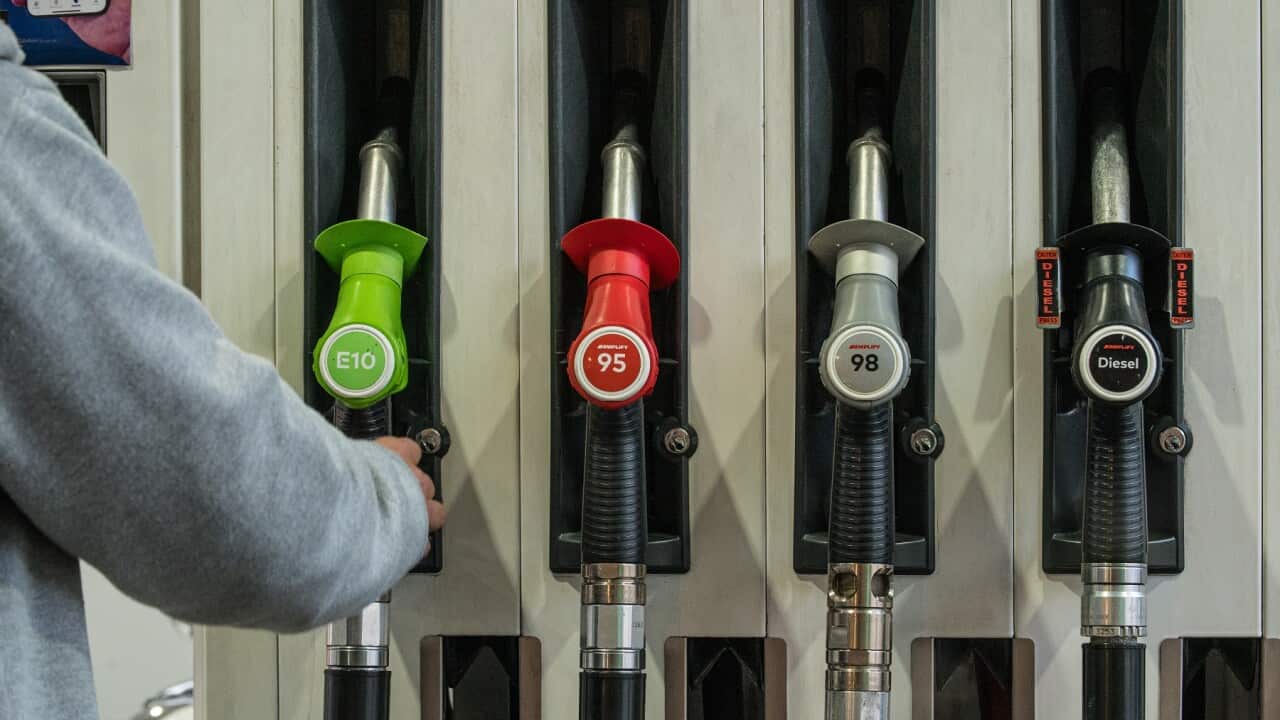
More attacks on oil tankers in the Strait of Hormuz drove Brent crude above US$97 a barrel, which will seep into domestic petrol and diesel prices and broader cost pressures for businesses.
Russel Chesler, VanEck's head of investments and capital markets, expects oil prices to stay higher for longer.
"The continuing Middle East conflict is showing no signs of a resolution and that will leave the RBA with no choice but to increase rates at its meeting later this month," he said.
RBA assistant governor Sarah Hunter did little to downplay expectations the bank would lift interest rates again if inflation continued to exceed its forecasts.
News that makes sense
Your trusted source for staying up-to-date with the world around you. Get free daily news updates and analysis, straight to your inbox.
"I think the board has been pretty clear, and the staff as well. I'm certainly myself pretty clear that inflation is top priority right now," she told the AFR Property Summit in Sydney.
"Inflation is above target and has been for some time.
"We are concerned about inflation and if there is a sense that inflation is going to be stronger than we think in the context of our forecast, then the board may well have to raise interest rates to tackle that."
Both headline and trimmed mean inflation came in above the RBA's forecasts in July.
Ongoing price pressures from the Middle East conflict have been taking their toll on businesses, particularly in manufacturing, construction and retail, NAB head of Australian economics Gareth Spence said.
Business conditions took a tumble in August, with profitability falling 10 points to the lowest level since the pandemic, NAB's monthly business survey showed on Tuesday.
How much businesses are able to pass through those costs to consumers will help determine how sticky inflation will remain going forward.
And it will depend on how willing households are to keep spending.
Confidence drops among mortgage borrowers
Expectations of more rate rises caused sentiment among home owners to collapse in September, the Westpac-Melbourne Institute consumer sentiment index showed.
Confidence plummeted 14 per cent among mortgage holders in the month, compared to a 0.9 per cent fall among renters.
''Interest rate concerns had a clear negative impact on consumers with a mortgage," Westpac's head of Australian macro-forecasting Matthew Hassan said.
Overall, the consumer sentiment index declined 5.2 per cent to 84.4, as interest rate expectations climbed 7.3 per cent.
Despite economists forecasting the housing downturn to deepen as high interest rates combine with federal budget tax changes, only 32 per cent of consumers expected prices to decline over the next 12 months, with 42 per cent expecting a rise.
HSBC chief economist Paul Bloxham expects nationwide house prices to fall 13 per cent peak to trough, which would be "the largest housing price correction in modern history".
Already, $34.1 billion has been wiped off Australian property values in the three months ended June, the Australian Bureau of Statistics reported.
The 0.3 per cent decline pales in comparison to the 12.3 per cent increase since the start of 2025.
For the latest from SBS News, download our app and subscribe to our newsletter.







