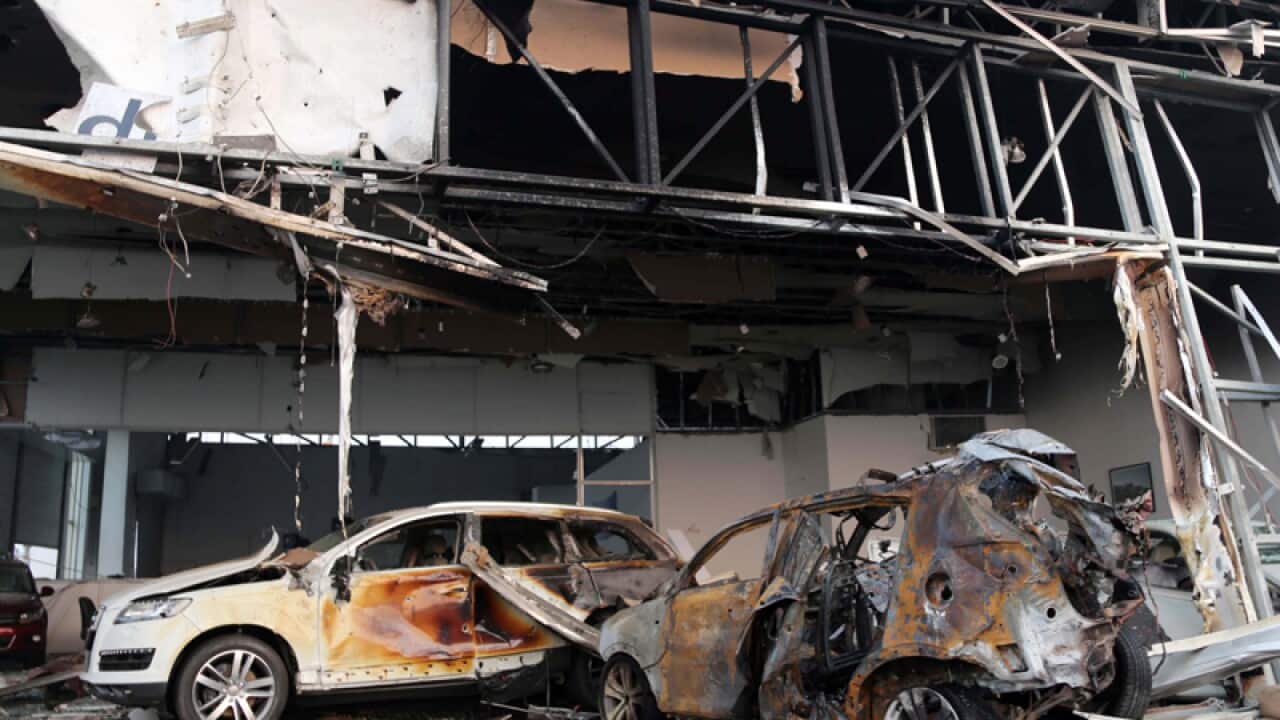
The death toll from violence in Iraq fell in February from the previous month, but was still one of the worst in years, new figures show, as Baghdad hosted an arms exhibition.
Less than two months ahead of parliamentary elections, Iraq is suffering a year-long surge in violence to levels not seen since 2008, when it was emerging from a period of brutal sectarian bloodletting that killed tens of thousands.
The spike has been driven by widespread discontent among the minority Sunni Arab community, which complains of being marginalised and unfairly targeted with heavy-handed security measures, and by the civil war in neighbouring Syria.
Attacks and clashes in February killed at least 744 people, according to AFP figures based on security and medical sources - an average of more than 26 per day.
The toll was down from 991 in January, but more than three times that of February 2013.
News that makes sense
Your trusted source for staying up-to-date with the world around you. Get free daily news updates and analysis, straight to your inbox.
Government figures put the toll at 790 civilians and security personnel killed, while the United Nations said 703 people died in violence. Both figures were down from the previous month.
But the UN excluded violence in the mostly-Sunni province of Anbar, where government forces have clashed with militants who still hold one city.
"The political, social and religious leaders of Iraq have an urgent responsibility to come together in the face of the terrorist threat," UN envoy Nickolay Mladenov said in a statement Saturday.
Much of the violence was concentrated in six central and northern provinces that have either religiously mixed or Sunni-majority populations -- Baghdad, Anbar, Salaheddin, Diyala, Kirkuk and Nineveh.
Efforts by authorities to curb bloodshed, which have largely been comprised of military operations and concessions that fall short of Sunni demands, have had little effect.
As Iraq faces revitalised militant groups, it is seeking to shore up security forces with new weapons systems and stocks of ammunition.
An international defence exhibition opened in Baghdad on Saturday, with acting defence minister, Saadun al-Dulaimi, saying the more than 50 companies that participated would have priority on future contracts.
Iraq has so far turned to several countries - first and foremost the United States and Russia - for arms to build its forces' capabilities.
The Iraqi government faces a two-month crisis in Anbar, west of Baghdad, where it has lost all of the city of Fallujah as well as shifting parts of provincial capital Ramadi to anti-government fighters.







