
A two-speed economy would assume that the resources sector leads growth, while others are lagging.
Economists then pegged the term -- a multi-speed economy -- meaning a number of industries are doing better than others.
But a patchwork economy seems to suggest that things are all over the place, and work needs to be done.
Well, when you look at Australia's jobs market, that's exactly the case, especially when you take the breakdown of last week's Labour Force Data which the Bureau of Statistics released today.
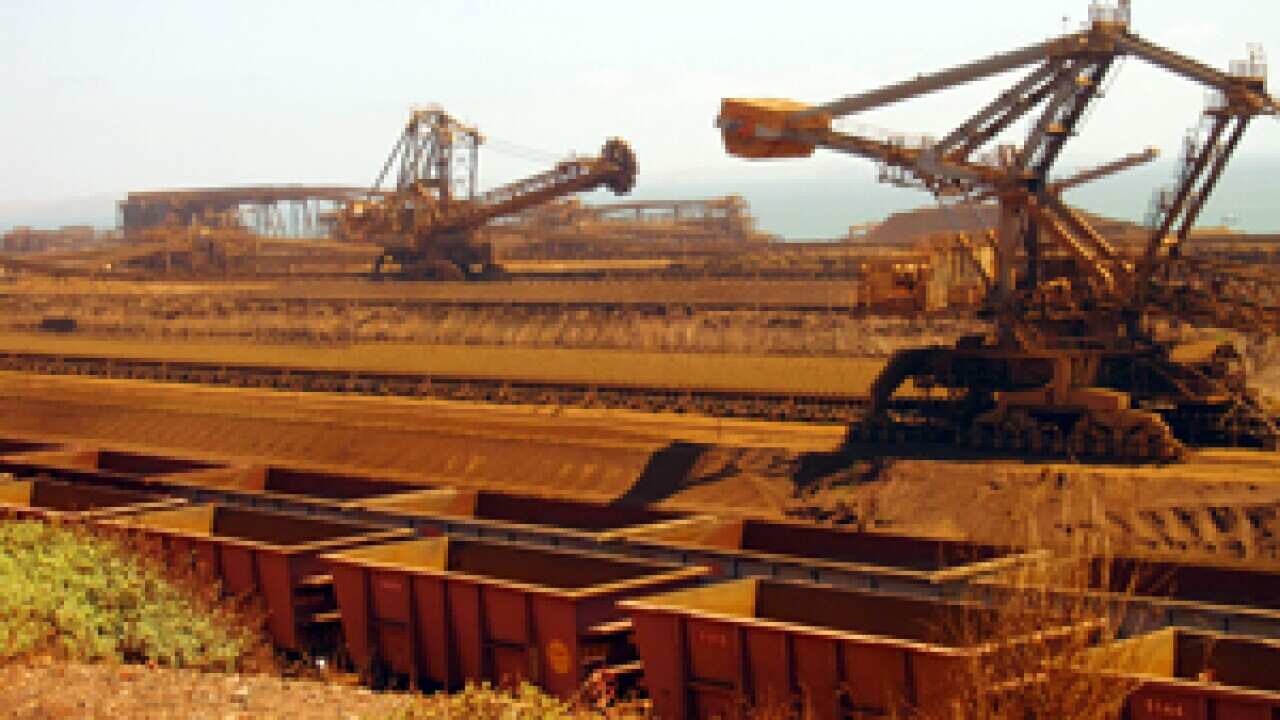
We've often been told that, if you want a job, go to the mines, that's where all the growth is. Well, when you look at earnings, that's true.
ABS stats show that the mining sector has the highest average wage, at around $113,000 a year. Five years ago, those in the sector earned $75,000.
But are there really that many jobs in the sector?
Today's numbers show that the mining sector employs around 250,000 people.
That's just over 2 per cent of total employment.
There's more people employed in agriculture, forestry and fishing.
Retail is Australia's second biggest employer with 1.2million people working, but the nation's largest employer comes from the health care and social assistance sector.
More than 1.3 million people, that's close to 12 per cent of Australia's workforce is in the sector.
In fact, the health care sector added nearly a 250,000 jobs since 2008, while mining jobs rose by half that.
Of course, the appeal, is that miners are being paid almost double that of those in health care, where the average salary is $66,000.
CommSec notes, that while there may be a boom in mining, Australia's aging population means the expansion in health care will be arguably bigger, broader and longer-lasting.





