in brief
- Peace talks are set to resume between the US and Iran in Switzerland.
- The US has announced that Israel and Hezbollah have agreed to a ceasefire although flare-ups have continued.
Peace talks scheduled between the United States and Iran in Switzerland that could bring about the end of the four-month conflict are set to resume following a postponement on Friday.
US publication Axios reported on Saturday that US envoy Steve Witkoff and Iranian foreign minister Abbas Araghchi were both headed to Switzerland for talks.
They will join Jared Kushner, US President Donald Trump’s son-in-law, who is already there, Axios said. Aragchi plans to travel there on Sunday, it adds.
The development may signal that both sides intend to begin technical negotiations aimed at securing a permanent truce.
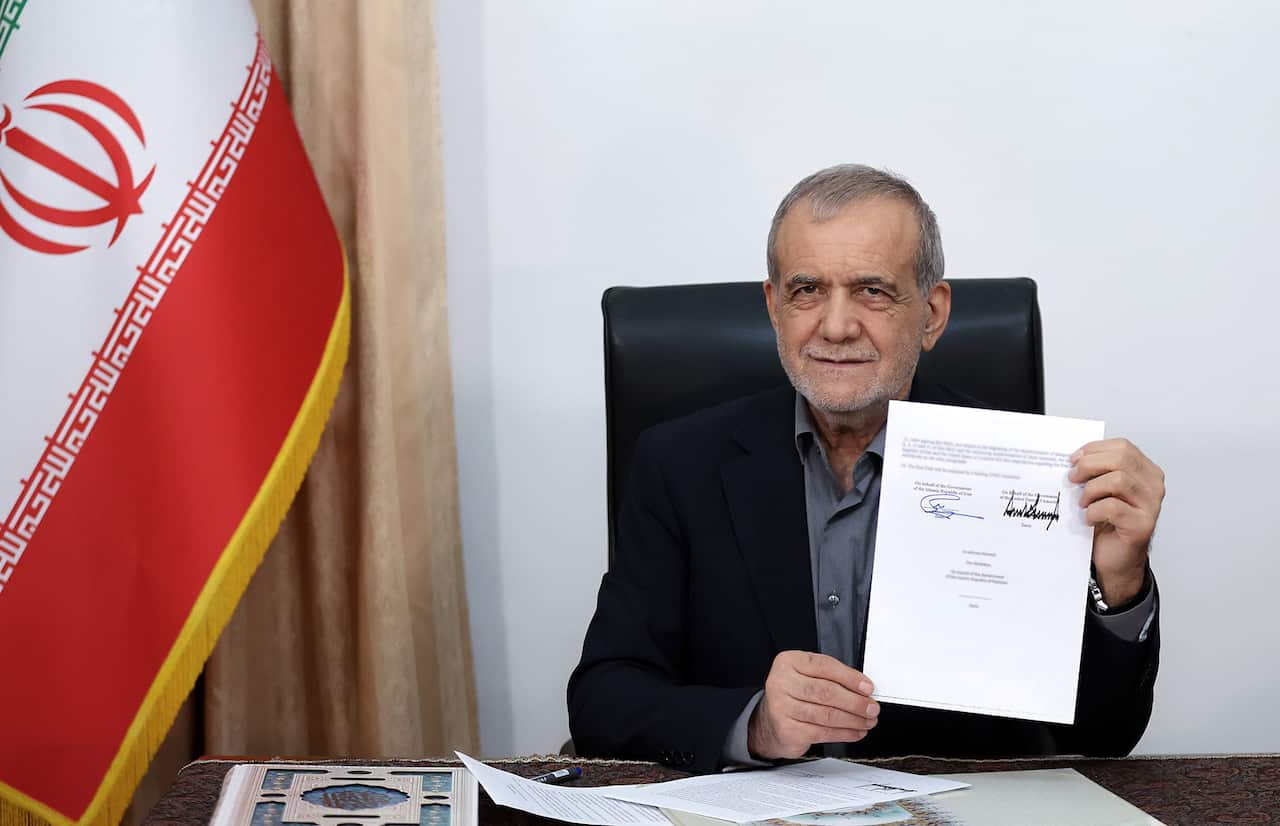
This week, a 14-point memorandum was signed between the US and Iran, opening a 60-day window to resolve disputes over Iran’s nuclear program, as well as other issues needed for a more durable deal.
News that makes sense
Your trusted source for staying up-to-date with the world around you. Get free daily news updates and analysis, straight to your inbox.
Talks endure despite conflict
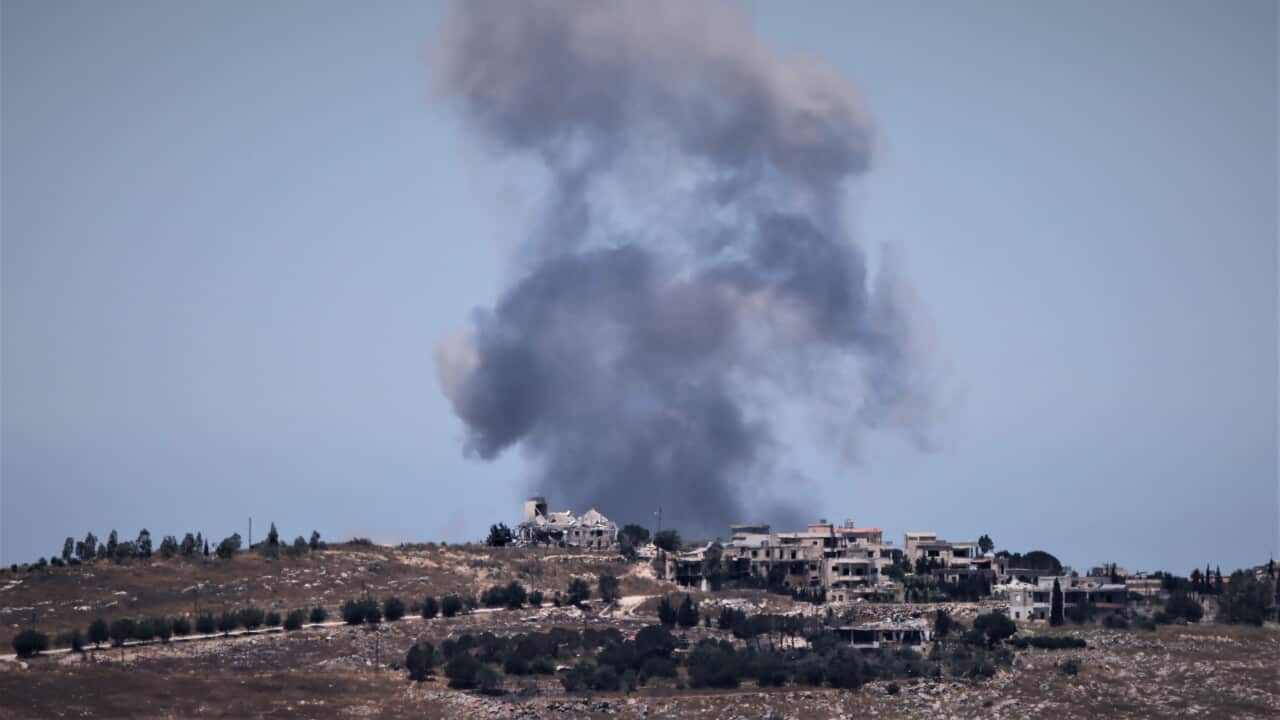
At least five people were killed by Israeli strikes in Lebanon as of Saturday. These took place after a ceasefire agreement was reached with Hezbollah.
Israel and Hezbollah agreed to a ceasefire on Friday, US officials told the Reuters news agency, which was due to take effect at 4pm local time.
Hours before that agreement was reached, deadly exchanges between the two sides occurred in Lebanon.
Lebanese authorities reported 47 people were killed in the pre-ceasefire flare-up, and Israel announced the deaths of four of its soldiers, the highest combined casualty count since the US and Iran struck their deal.
Lebanese state media said warplanes and drones struck the southern Nabatieh area on Saturday, destroying residential buildings and homes, while shelling hit the region.
The continuation of hostilities is once again putting a US deal to end the Middle East war under strain, less than two days after it was signed with Iran.
Israel's ambassador to the United States, Yechiel Leiter, denied attacking Lebanon after the ceasefire agreement, saying: "At 11:30 this morning, Israel halted all offensive operations; Hezbollah and Iranian claims to the contrary are bold lies."
The deal signed this week by Trump and his Iranian counterpart Masoud Pezeshkian aims to end a war that began on February 28 with US-Israeli strikes killing supreme leader Ayatollah Ali Khamenei.
'Permanent war'
The agreement was also meant to halt the fighting in Lebanon, which Iran has always insisted should be covered under any accord, turning Israel's ongoing campaign there into a source of frustration for the US.
"If Hezbollah does not attack us, then for us it is not a time of war," an Israeli official told Reuters, adding that Israel would keep its forces in southern Lebanon, where it has occupied an area along its northern border.
Two Lebanese security sources said Israel had carried out a dozen airstrikes in the first hour of the ceasefire, but none were recorded after 5 pm.
A previous truce nominally agreed in April did nothing to stop attacks by either side, and Prime Minister Benjamin Netanyahu had said on Friday that the Israeli army would make Iran-backed Hezbollah pay a "heavy price" for its attacks.
Far-right Israeli National Security Minister Itamar Ben Gvir went even further, saying after the four soldiers' deaths that "all of Lebanon must burn".
Iran's Foreign Minister Abbas Araghchi accused Israel of only being interested in "permanent war".
48 hours notice
A key aspect of the deal is the immediate re-opening of the Strait of Hormuz, the key shipping bottleneck whose closure caused global energy prices to rise.
A total of 25 commercial vessels crossed the newly-reopened strait on Thursday, the highest number since mid-April, according to data from maritime tracking firm AXSMarine published on Friday.
American forces on Thursday lifted their parallel naval blockade of Iranian ports, the US military said, noting that American warships "will remain in the general area".
Iran's maritime authority said on Friday that all ships seeking to cross the Strait of Hormuz should submit a transit request "48 hours in advance", despite its reopening.
For the latest from SBS News, download our app and subscribe to our newsletter.







