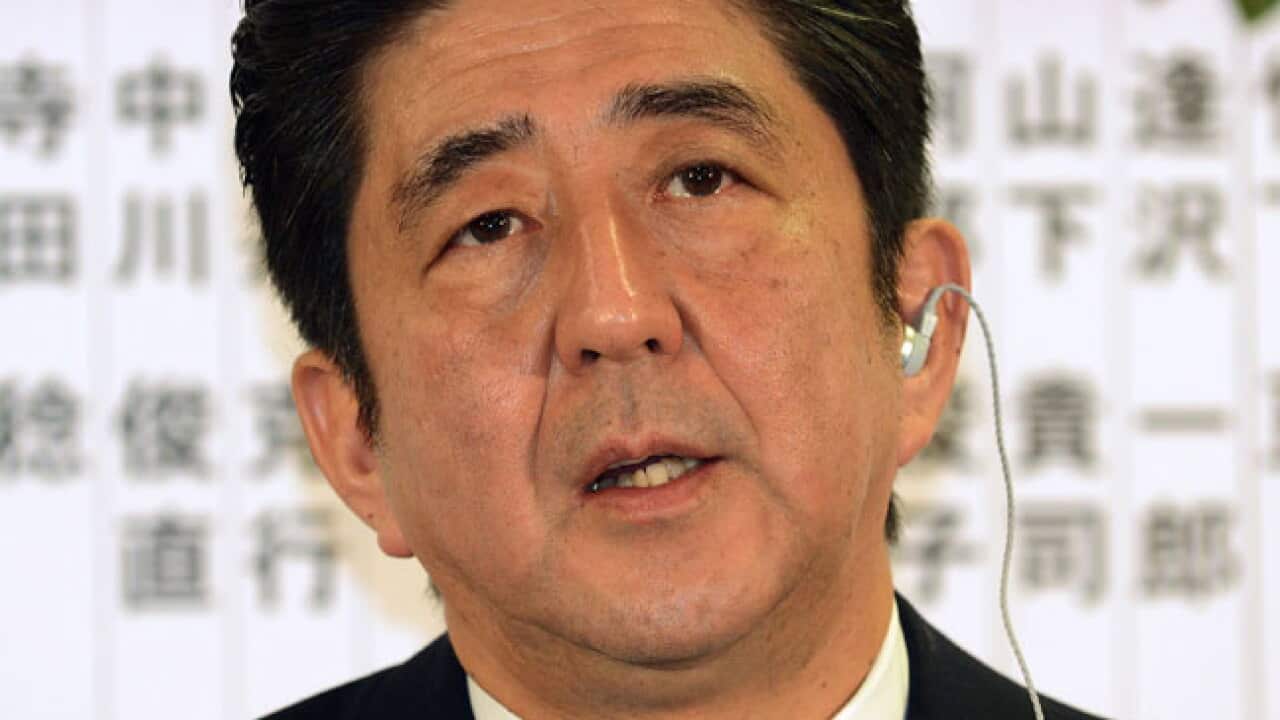
Half of the 242 seats in the upper legislative chamber are up for grabs, in what is expected to be the last national election for three years.
With approval ratings well over 60 percent seven months after he won the premiership in a general election, a win for the hawkish premier's ruling bloc is all but assured.
Control of both chambers will remove political obstacles to Abe's agenda.
News that makes sense
Your trusted source for staying up-to-date with the world around you. Get free daily news updates and analysis, straight to your inbox.
Supporters say that will give him free reign to force unpopular changes on Japan's long under-performing economy.
They point to the need for reform of the labour market to make it easier for firms to hire and fire workers, participation in a huge free trade pact and a rise in consumption tax, which economists say will help to slow the pace of growth in the already sky-high national debt.
The reforms are the third instalment of an economic policy plan dubbed "Abenomics" that has already seen a slew of government spending and a flood of easy money from the central bank.
Those moves pushed the value of the yen down and sent the stock market soaring, bringing cheer to some sectors of corporate Japan.
However, Abe's detractors say Abenomics is a ruse, part of a tactical power grab that will see the premier return to his conservative social agenda once he has control over both houses of parliament.
They fear this will mean a loosening of Japan's constitutional committment to pacifism, a boosting of the military and a more strident tone in already-strained relations with China and South Korea, both of which have territorial disputes with Tokyo.
Whatever Abe's intentions, the predicted swing towards his Liberal Democratic Party and their junior coalition allies could give Japan its first long-term prime minister since Junichiro Koizumi, who ruled for the first half of last decade.
"The Abe administration can become a long-run regime," said Koji Nakakita, professor of politics at Hitotsubashi University in Tokyo. "It even has the potential to go beyond the next three years."
Voting starts at 7am (2200 GMT Saturday) and booths close at 8pm (1100 GMT), with broadcasters' exit polls expected shortly thereafter.







