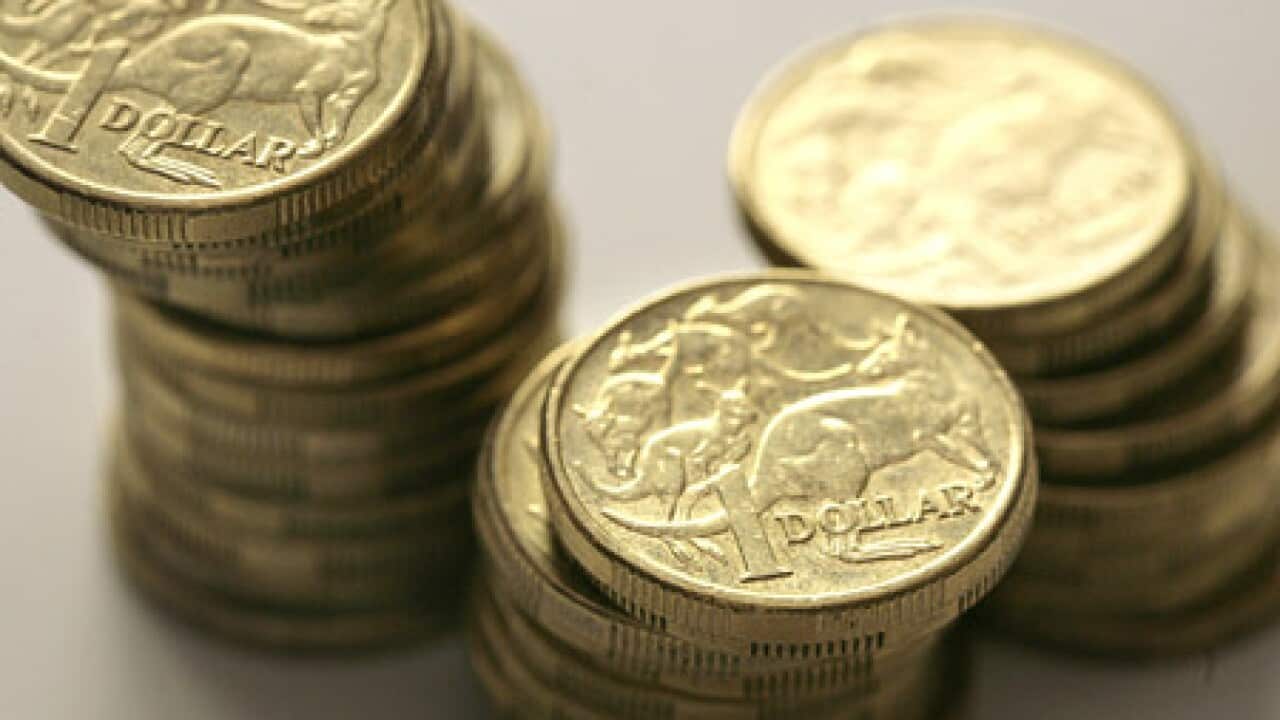
A new surge in jobs pushed the Australian dollar towards record highs on Thursday as traders bet on a swift rise in interest rates.
Official data showed Australia's mining-powered economy added a higher-than-expected 49,500 workers to reach 11.3 million in September, holding the jobless rate steady at 5.1 percent.
The Australian dollar rose more than half a US cent to breachits previous post-1983 float record of 98.48, at one point reaching as high as 99.2 US cents, reports said.
News that makes sense
Your trusted source for staying up-to-date with the world around you. Get free daily news updates and analysis, straight to your inbox.
A Sydney-based trader told AFP the dollar was testing parity with the greenback.
"It's been an extremely intense up-trend against the US (dollar)," said the trader, who did not want to be named.
Soon after 7.30pm, the Aussie had settled back down to 98.9 US cents, according to leading currency conversion site xe.com.
Pressure still on RBA
Economists said the Reserve Bank of Australia, which surprised markets by leaving rates at 4.50 percent on Tuesday, was now more likely to lift them next month to contain inflation.
"It will certainly make the Reserve Bank more nervous about not acting on their tightening bias for too long," said Citi economist Paul Brennan.
"It's definitely now more likely they will feel compelled to act on their tightening bias in November."
Nomura Australia chief economist Stephen Roberts says the data raises concerns of capacity constraints and inflation, and it could lead the Reserve Bank to be back hiking interest rates in
November or December.
JP Morgan chief economist Stephen Walters says Australia is pretty much at full employment, so the big risk from here is wages growth picking up and adding to inflation pressures.
He predicts the central bank will raise the cash rate from 4.5 per cent to 4.75 per cent.
'It was the stimulus'
The government hailed the jobs figures as an endorsement of its economic record, which includes helping the country avoid recession in the financial crisis with $70b in stimulus spending.
"What we are seeing is the Australian government stimulus plan really bringing home for Australians job opportunities and strong employment growth and that's to be celebrated," Jobs Minister Chris Evans said.
Unemployment has not been higher than 5.5 percent all year, contrasting with current figures of 9.6 percent and 10 percent respectively for the United States and Europe.
Australia's annual growth is running at about 3.3 percent, powered by strong coal and iron ore exports to Asian countries including fast-growing China.
Australia was the first G20 country to take its foot off the stimulus pedal in October, lifting rates six times before pausing in May over renewed global turmoil.







